

AS1668.2 Standards Have Changed – Is Your Apartment Buildings Exhaust Ventilation System Compliant?
AS1668.2 Standards Have Changed – Is Your Apartment Buildings Exhaust Ventilation System Compliant?
AS1668.2 Standards Have Changed – Is Your Apartment Buildings Exhaust Ventilation System Compliant?
The release of AS 1668.2:2024 has shifted the focus beyond basic airflow toward indoor air quality, air moisture control, and system performance.
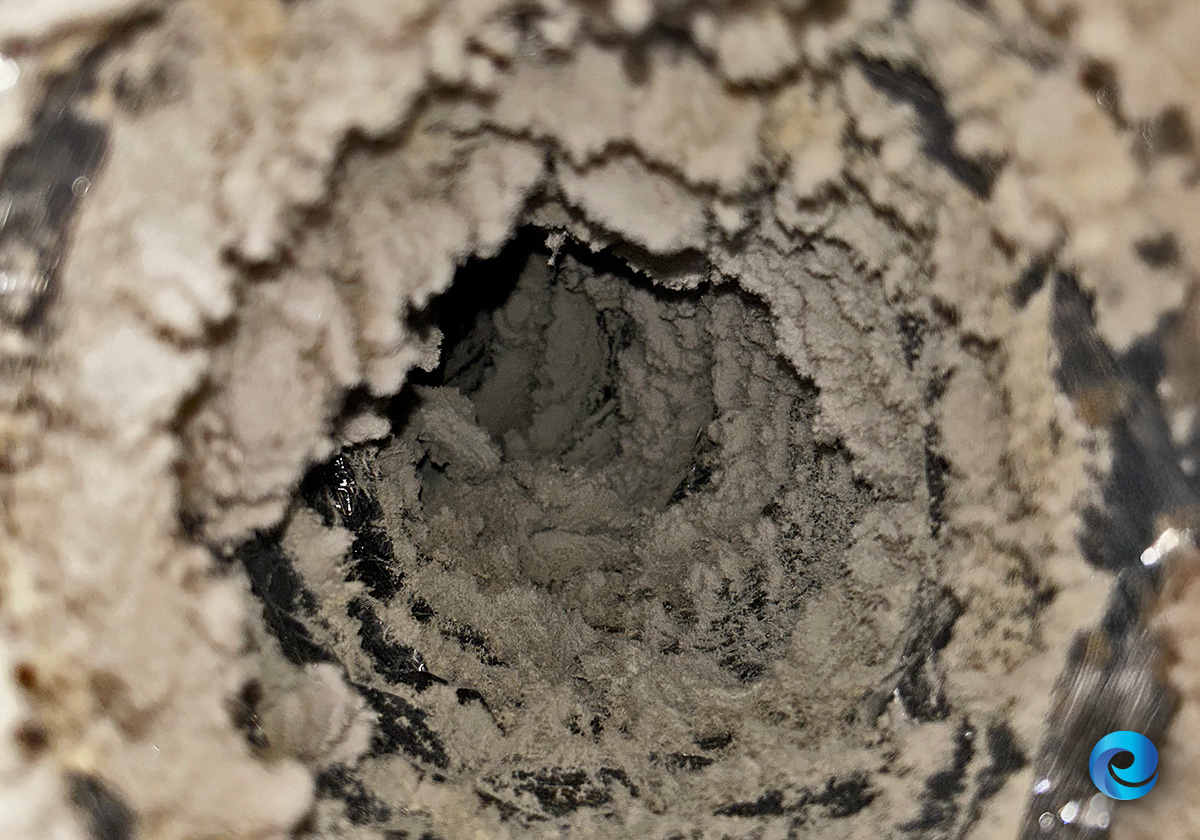
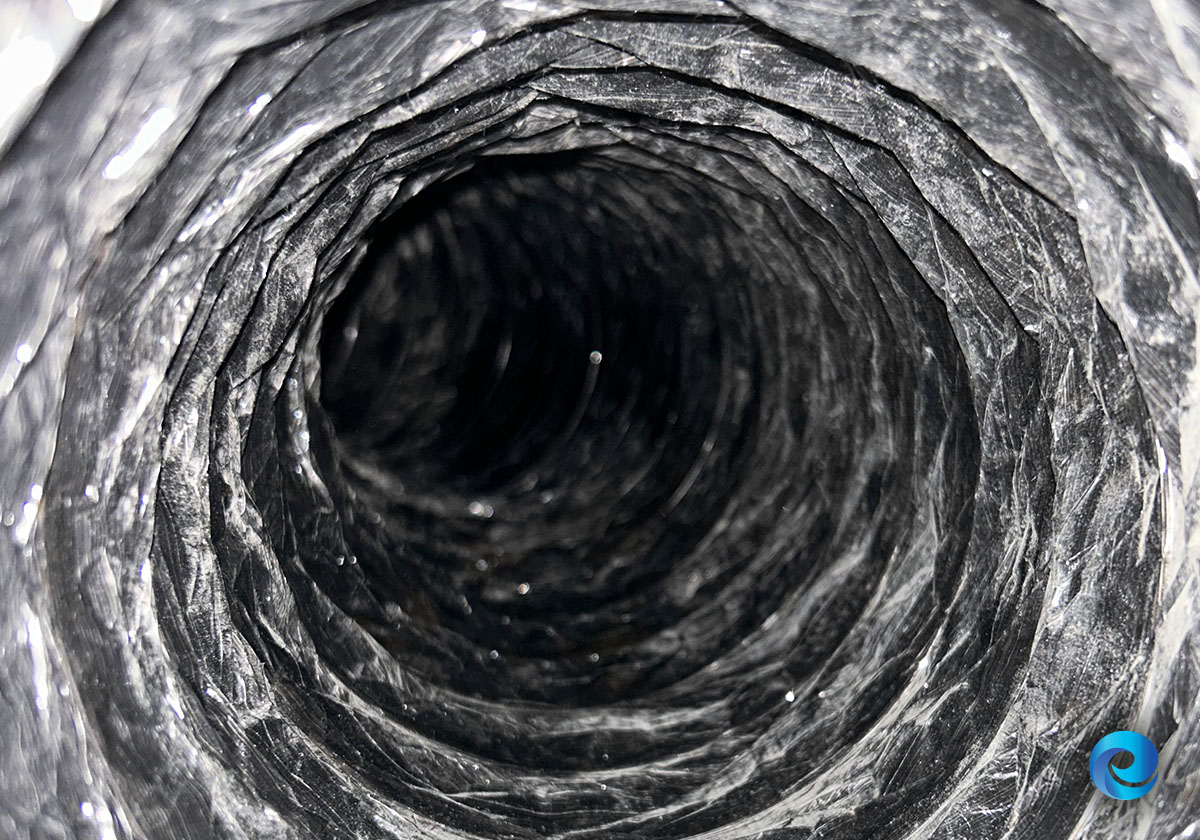
Revisions to AS1668.2 recognises that different areas within a building present different levels of risk. Apartment wet areas such as bathrooms, ensuites, toilets and laundries require increased attention due to the consistent presence of air moisture, odours and airborne contaminants, making effective exhaust critical to preventing condensation, mould growth and material deterioration.
Across South-East Queensland, many apartment buildings, resorts and unit complexes continue to rely on exhaust ventilation systems designed and installed over 2, 3 (or more) decades ago. While these systems continue to operate, the regulatory and performance expectations surrounding mechanical ventilation have evolved significantly over the last 20 to 30 years.
AS1668.2:2024 sets out the requirements for mechanical ventilation systems in buildings and the ongoing performance of exhaust systems to maintain safe, healthy indoor environments. The Standard places increased emphasis on indoor air quality, moisture control and the effective removal of odours and contaminants, reflecting a shift toward performance-based outcomes rather than basic compliance.
What Has Changed in Ventilation Standards?
Historically, ventilation compliance under AS 1668.2:2012 focused on minimum airflow rates and installation requirements. The updated 2024 revision introduces a more performance-based approach, placing greater emphasis on:
- Indoor air quality (IAQ) within apartments
- Air moisture control and contaminant removal
- System effectiveness in apartment wet areas
- Alignment with occupant health expectations
These changes are reinforced through the National Construction Code (NCC), which continues to increase its focus on maintaining the system and building health.
Importantly, compliance expectations are increasingly being tested through complaints, defect claims, and insurance scrutiny.
Why Wet Areas Are Now In Focus And A Key Risk Zone
Bathroom, ensuite, toilet and laundry exhaust systems are now recognised as critical ventilation zones within apartment buildings that must provide adequate fresh air and effective air moisture and odour control.
These areas generate:
- High levels of air moisture (steam and condensation)
- High levels of heat (small laundry areas)
- Airborne contaminants
- Persistent odours (toilets)
- Conditions conducive to mould and microbial growth (humidity and moisture)
In many existing apartment buildings, we regularly identify:
- Roof exhaust fans that are inoperable
- Roof exhaust fans that are running but not effectively extracting air
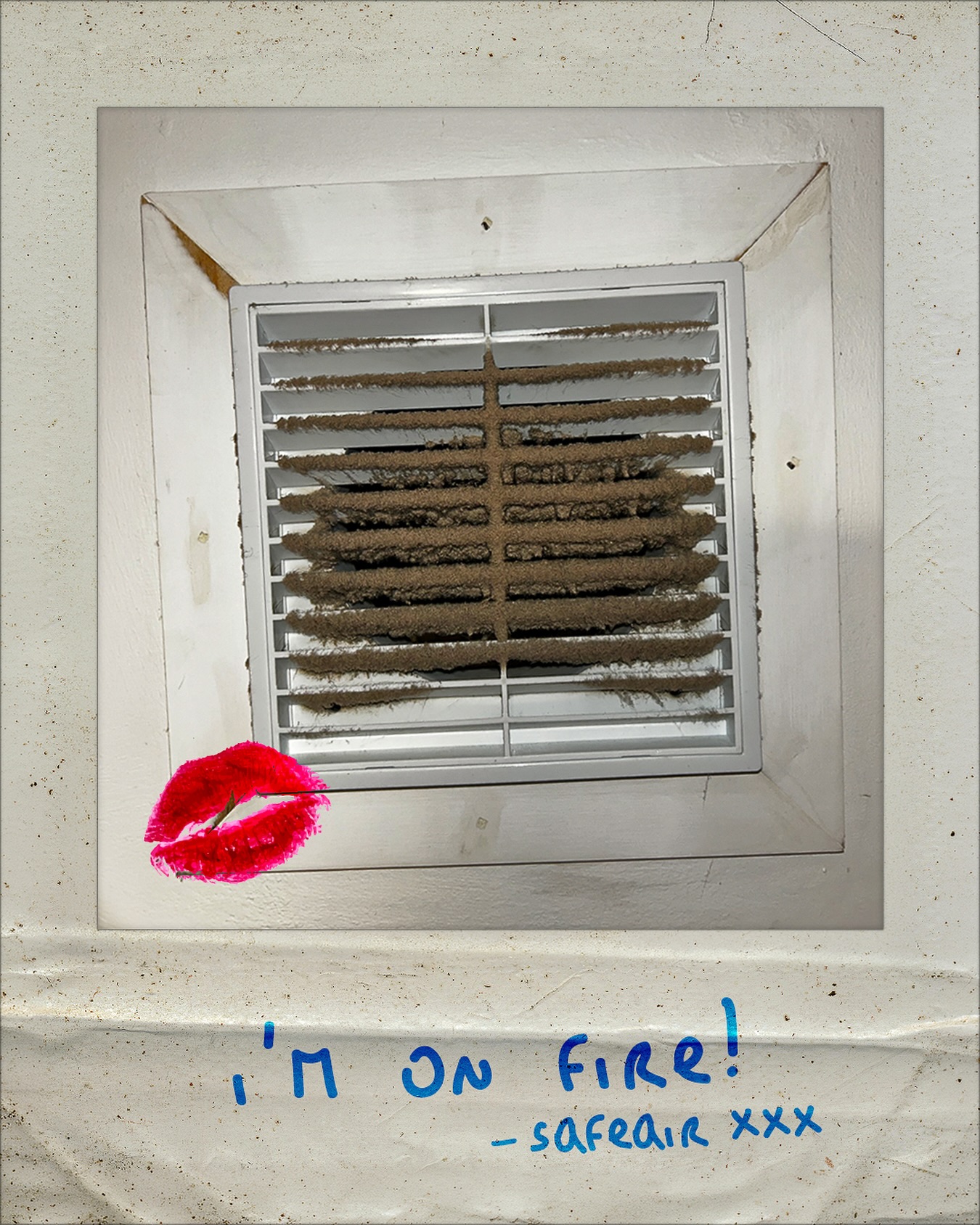
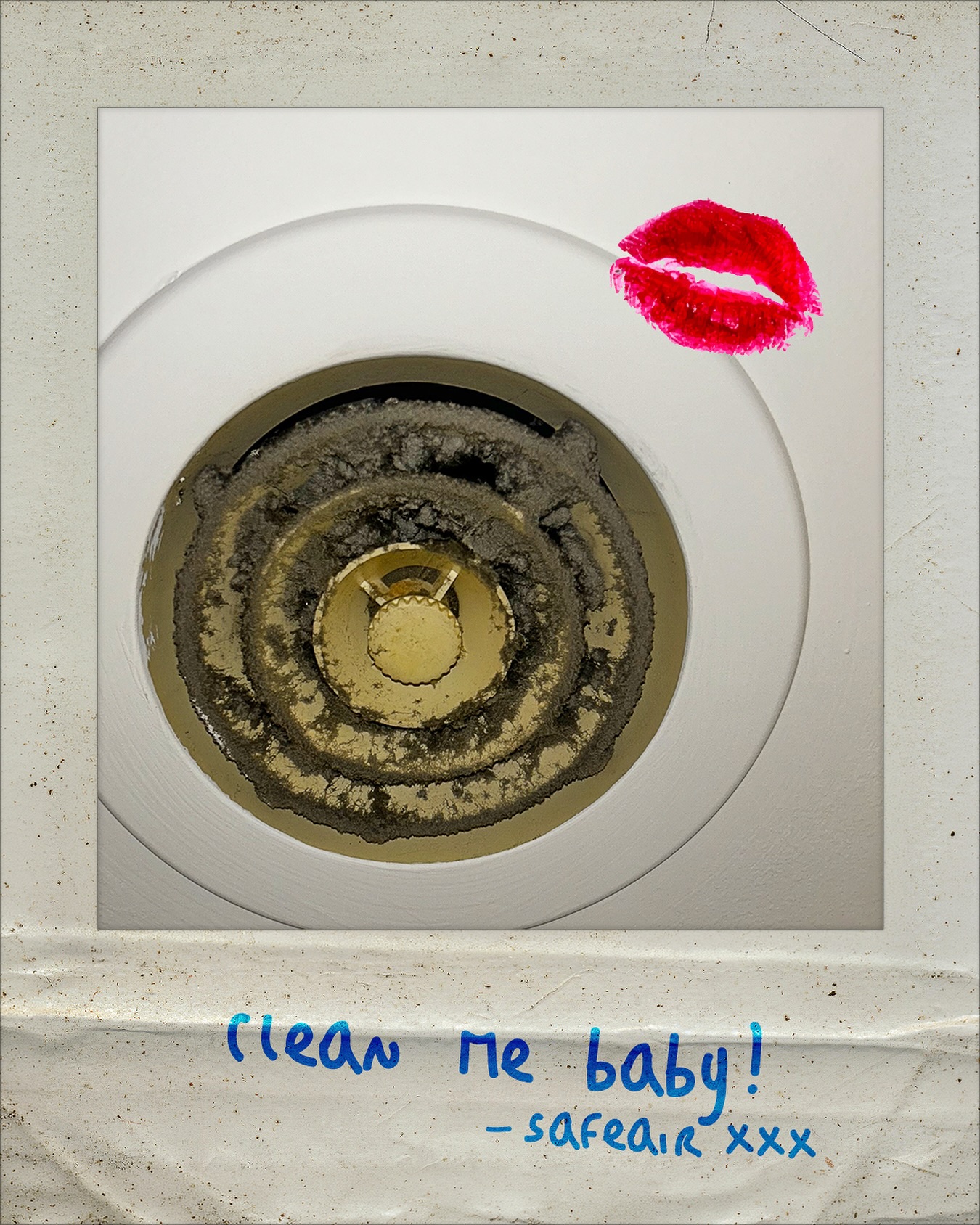
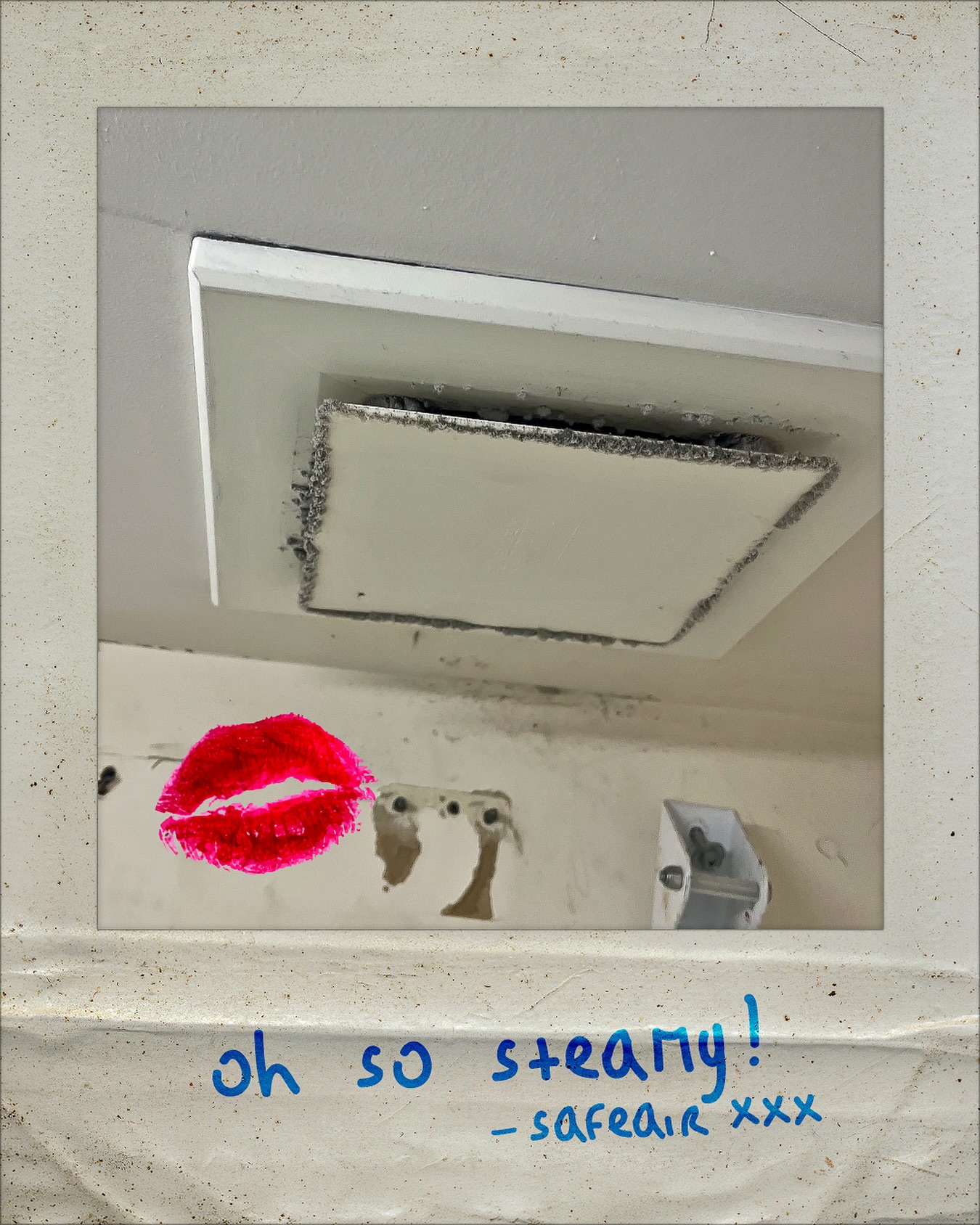
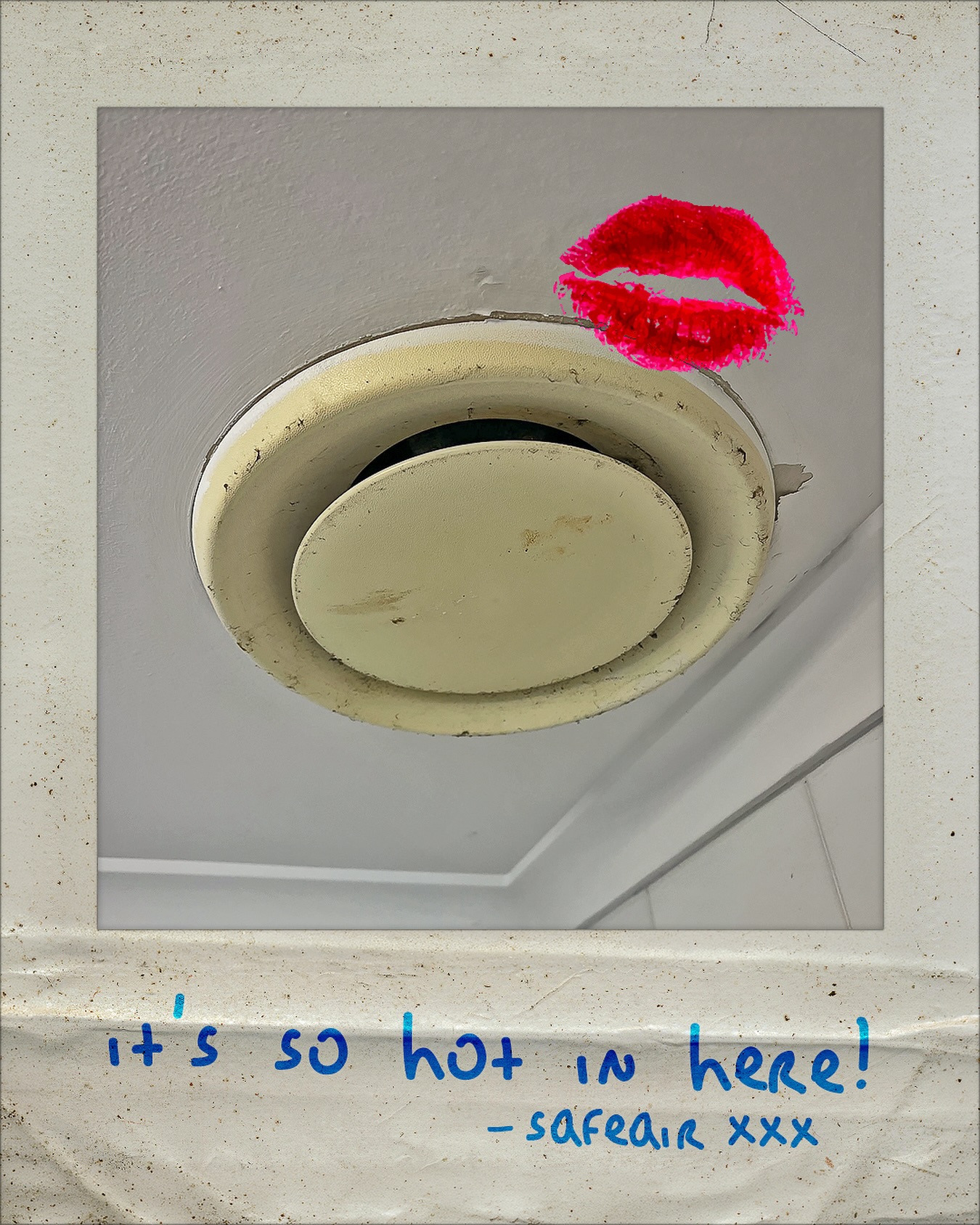
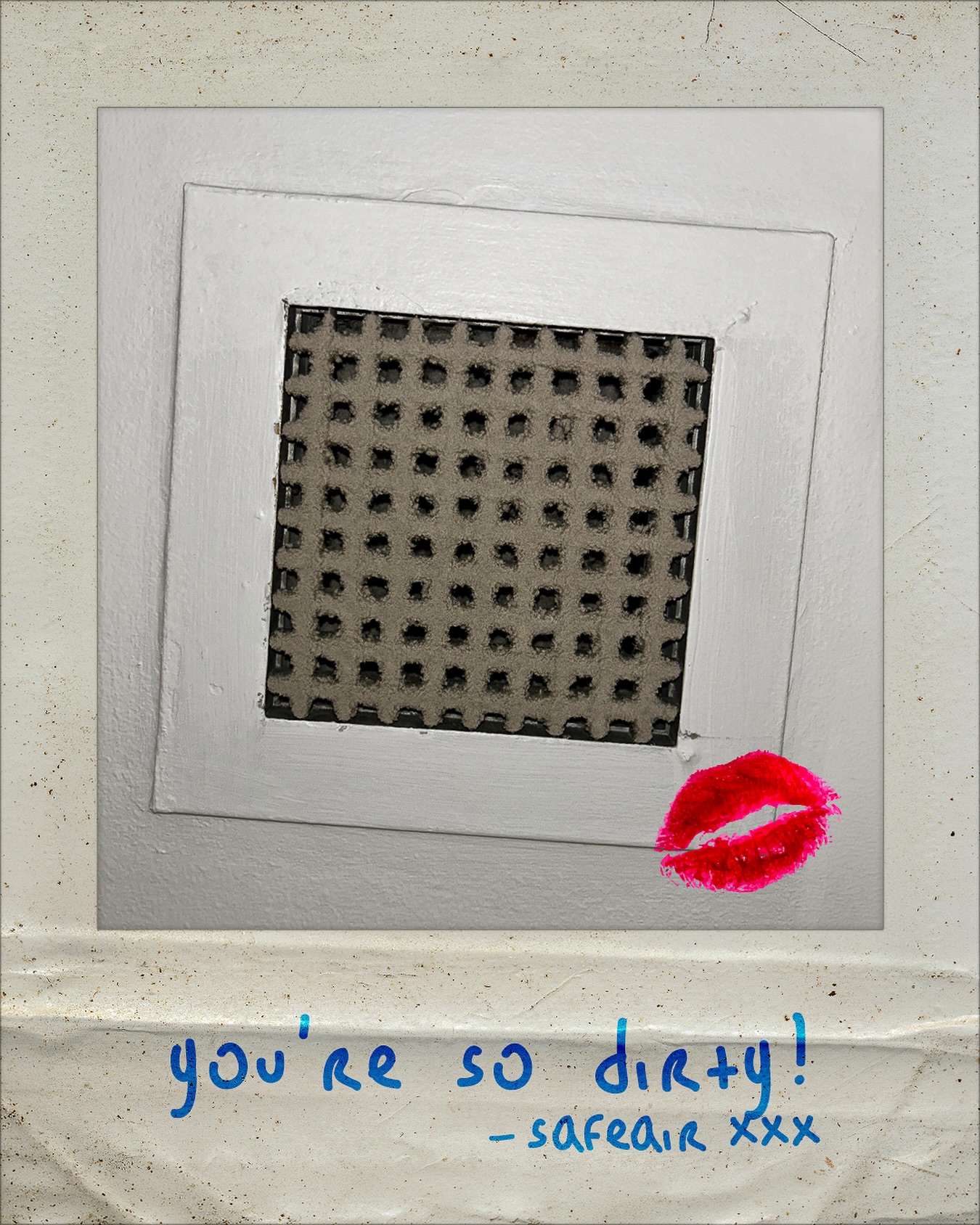
- Heavy dirt, lint, matter build-up within ductwork and fittings that is reducing airflow
- Ductwork damage or deterioration
A system that is operational is not necessarily a system that is performing us it should be. A planned or preventative maintenance program for maintaining the buildings ventilation system is paramount.
Responsibility: Body Corporate and Building Management
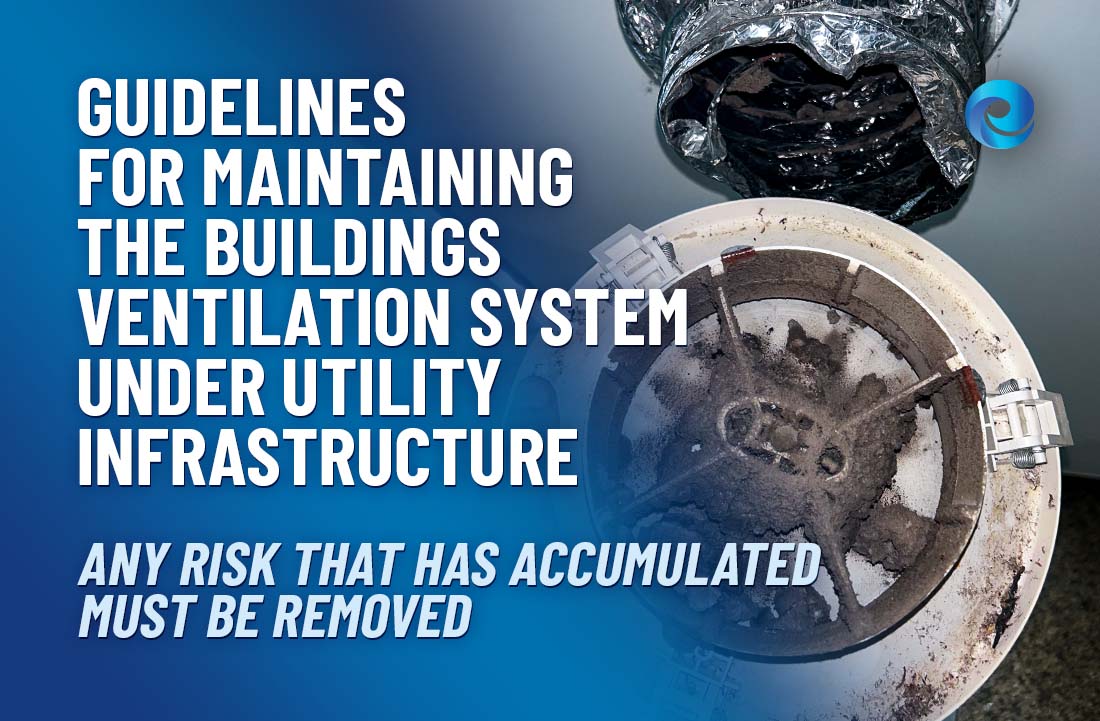
In most strata schemes, mechanical ventilation systems – particularly those involving shared ductwork – are considered common property under utility infrastructure.
This places responsibility on the body corporate to ensure systems are:
- Functioning as intended
- Appropriately maintained
- Not contributing to health or building risks
A lack of maintenance or performance verification may expose the building to:
- Resident complaints
- Mould-related claims
- Insurance complications
- Increased rectification costs over time
Ventilation systems are often overlooked (out of sight, out of mind) – until they become a problem.
Closing the Compliance Gap: Completing A Deep-Clean & Implementing A Preventative Maintenance Program
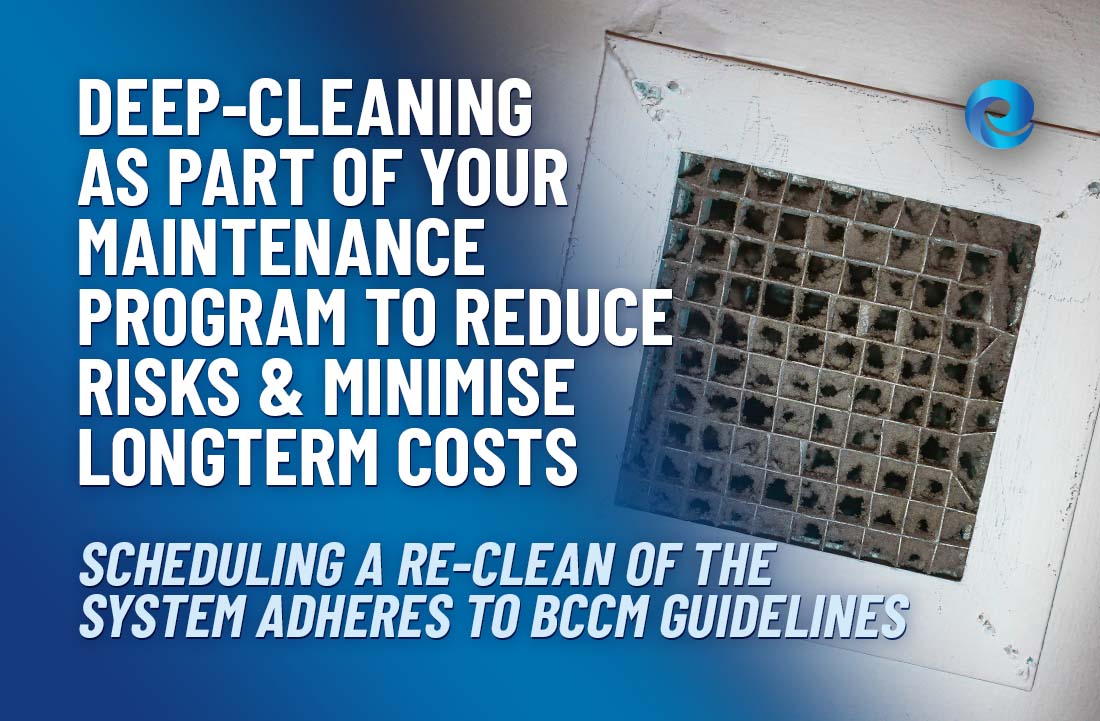
A key issue across many apartment buildings is that some body corporates do not wish to take responsibility for the work, or implement a structured planned maintenance program.
Many systems:
- Remain uncleaned for years due to lack of prioritisation
- Are not cleaned at a set interval
- Lack documented maintenance history
- Are only addressed when people complain or visible issues arise
A proactive approach should include:
- Deep-cleaning to remove any build-up that has accumulated over time
- Inspection of fittings to ascertain wear and if control dampers are present and operational
- Establishment of a planned maintenance schedule for the system
This not only supports compliance but also:
- Reduces long-term costs
- Minimises risk exposure
- Improves resident and guest satisfaction
A ventilation deep-clean and assessment provides:
- The removal of any risk from the system to remain compliant to BCCM guidelines
- Offers a clear understanding of current system operation
- Identification of any issues
- Practical recommendations for improvement
- The ability to plan for fitting upgrades in the future (air vents/volume control dampers.)
SafeAir Can Help
Talk with a SafeAir Projects Team member today and arrange a free site survey and quotation for deep-cleaning your buildings exhaust ventilation systems.
Click here to learn more about the deep-clean process, read reviews and feedback from our valued customers or follow @SafeAirAU on Instagram for the latest posts and updates.






Modernise Your Apartments
Add value to your apartment building and meet Australian Standards recommended guidelines for 8-24 air-changes per hour.
Services >
Apartment, Resort & Hotel Exhaust Ventilation Duct System Cleaning
Fire, dirt and mould risks – gone. Is your apartment building or unit complex at risk? Are you meeting Australian Standards guidelines for 8-24 air-changes per hour? By deep cleaning your buildings exhaust ventilation system with SafeAir you will remove years of potentially harmful and hazardous build-up, increase airflow throughout toilet, bathroom, en suite and laundry areas, restore your roof exhaust fans as well as increase overall system efficiency.

Clean at Prescribed Intervals

Remove Potential Fire Risks

Removal Potential Health Risks

Meet Australian Ventilation Standards
Services >
Apartment, Resort & Hotel Exhaust Ventilation Duct System Cleaning
Fire, dirt and mould risks – gone. Is your apartment building or unit complex at risk? Are you meeting Australian Standards guidelines for 8-24 air-changes per hour? By deep cleaning your buildings exhaust ventilation system with SafeAir you will remove years of potentially harmful and hazardous build-up, increase airflow throughout toilet, bathroom, en suite and laundry areas, restore your roof exhaust fans as well as increase overall system efficiency.
Clean at Prescribed Intervals
Remove Potential Fire Risks
Removal Potential Health Risks
Meet Australian Ventilation Standards
Subscribe For News & Updates
Get the latest on Duct Cleaning, Special Promotions and SafeAir