

Cause and Effect – Queensland’s Development Boom and The Potential Impacts on Your Ventilation Systems
Cause and Effect – Queensland’s Development Boom and The Potential Impacts on Your Ventilation Systems
Cause and Effect – Queensland’s Development Boom and The Potential Impacts on Your Ventilation Systems
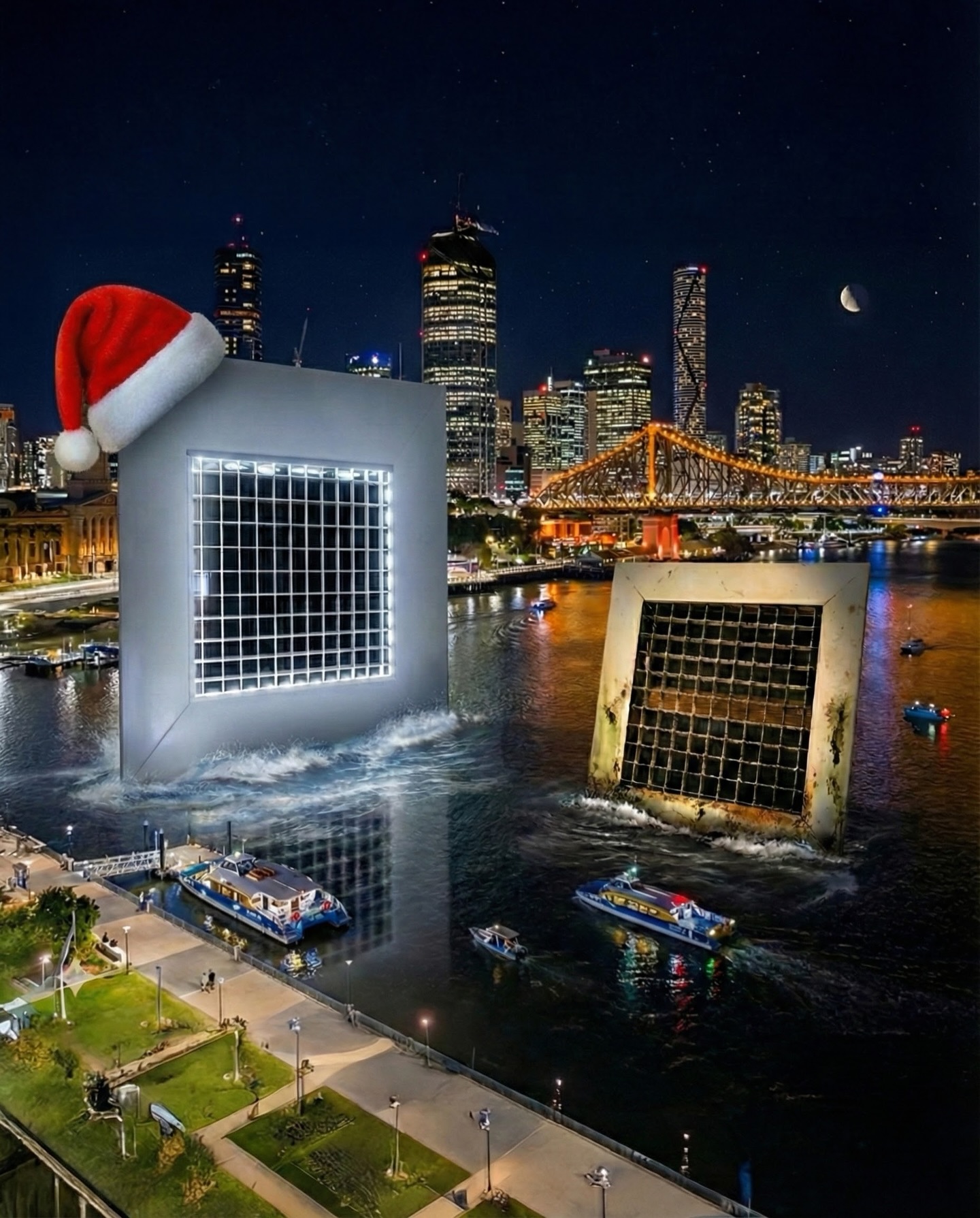
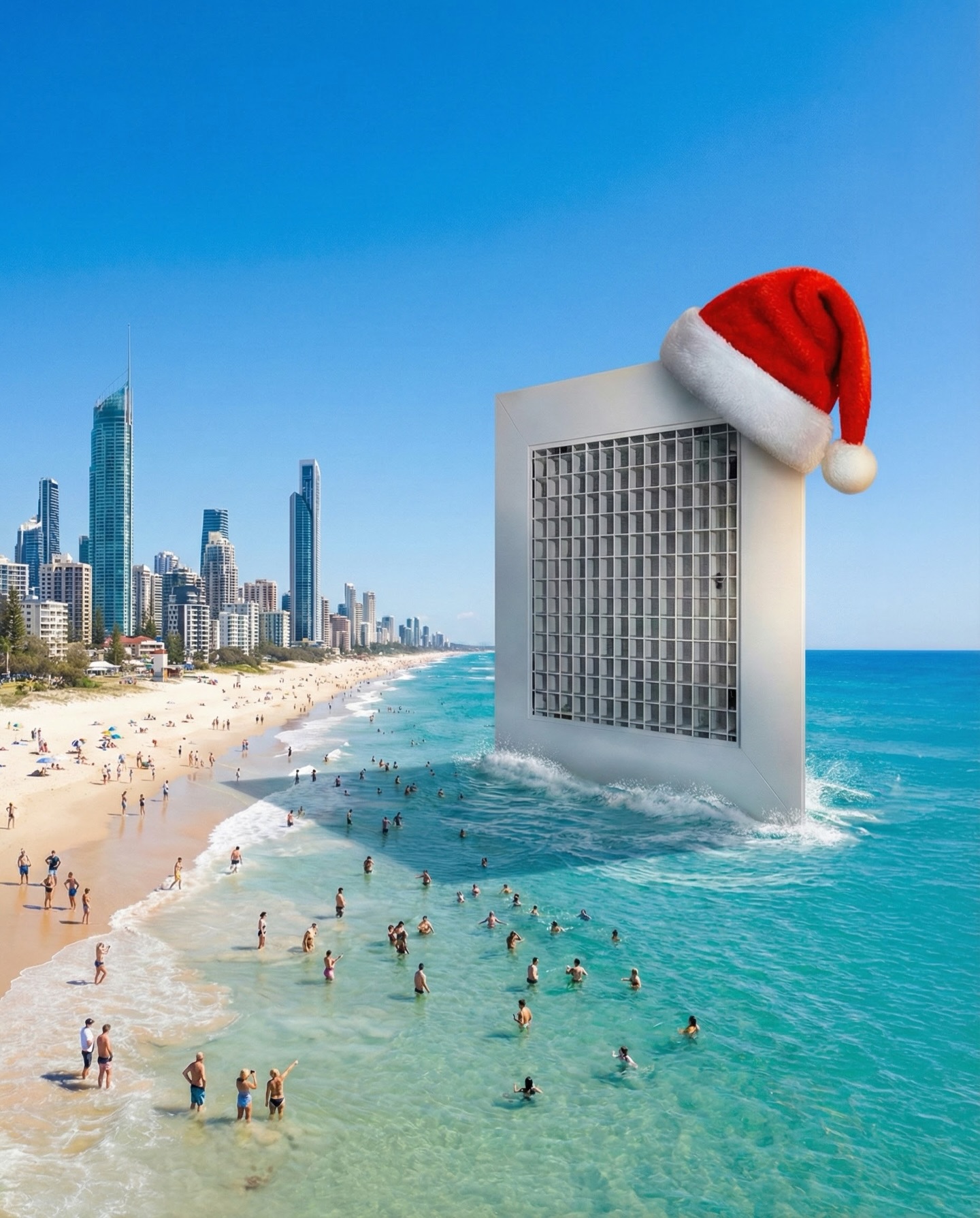
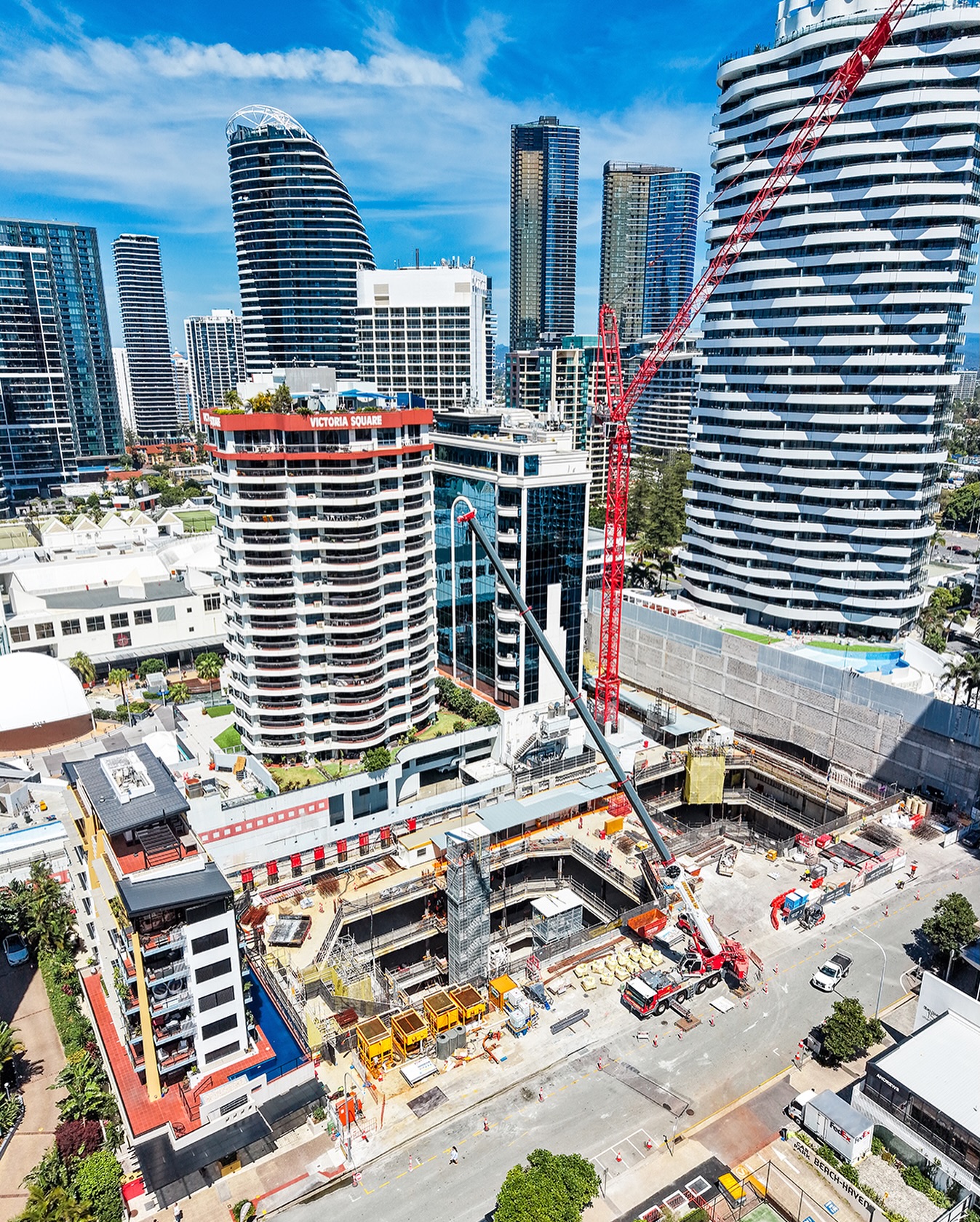
Development across South-East Queensland is transforming skylines – and potentially impacting the air we breathe indoors.
Wherever there are demolitions, new builds, roadworks or transport and infrastructure upgrades, there are clouds of dust: fine particles, crystalline silica from concrete and brick, traces of plaster or wood, and fibres from old building residues. These materials remain suspended in the air and, carried by the wind, slip into buildings through windows, doors, and tiny cracks. Once inside your apartment, they are drawn to sources of negative pressure and make their crusade into the exhaust systems of bathrooms, ensuites, and laundry areas – slowly coating exhaust fittings and the internal ductwork with grime.
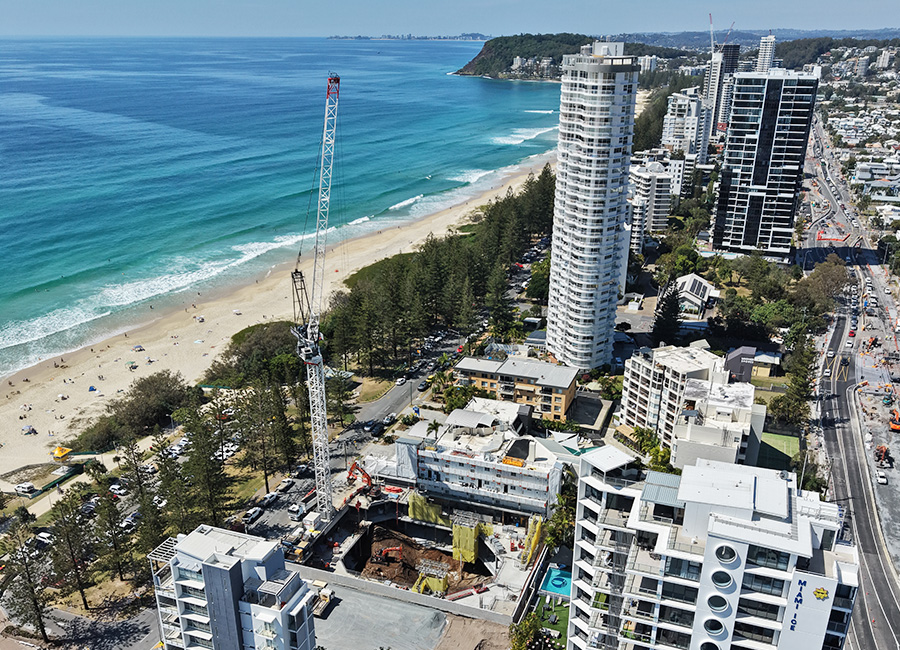
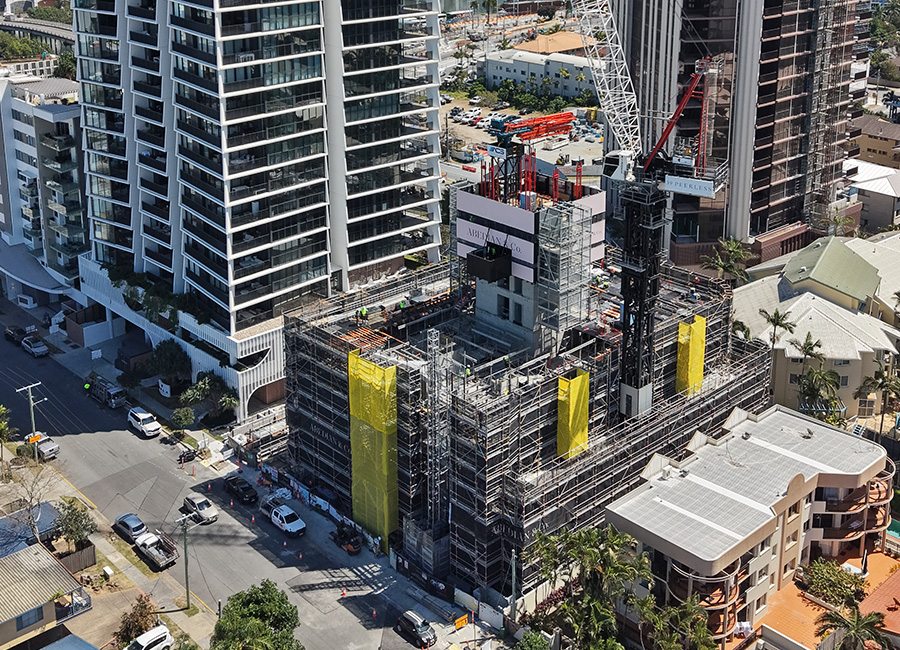
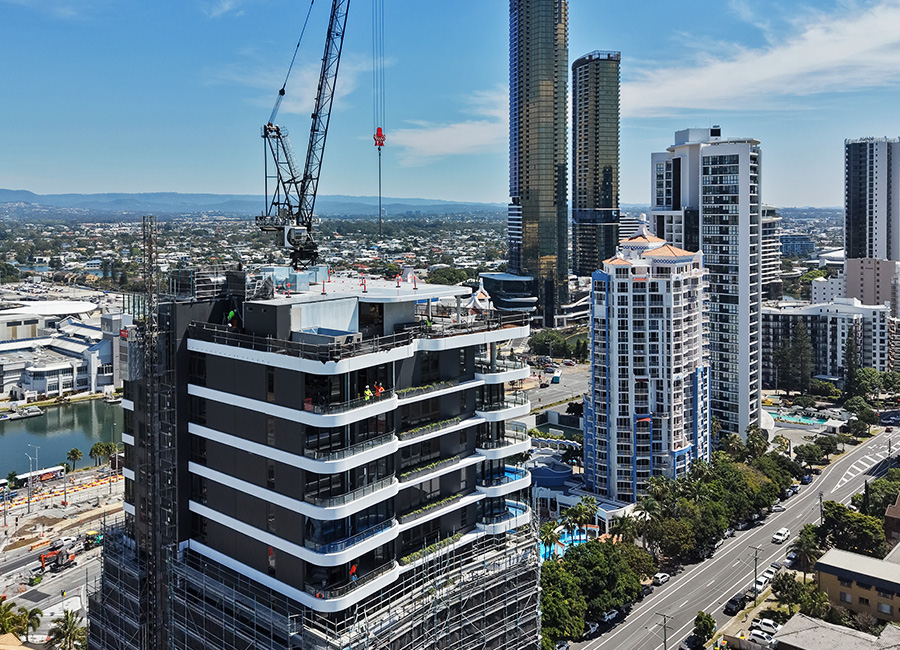
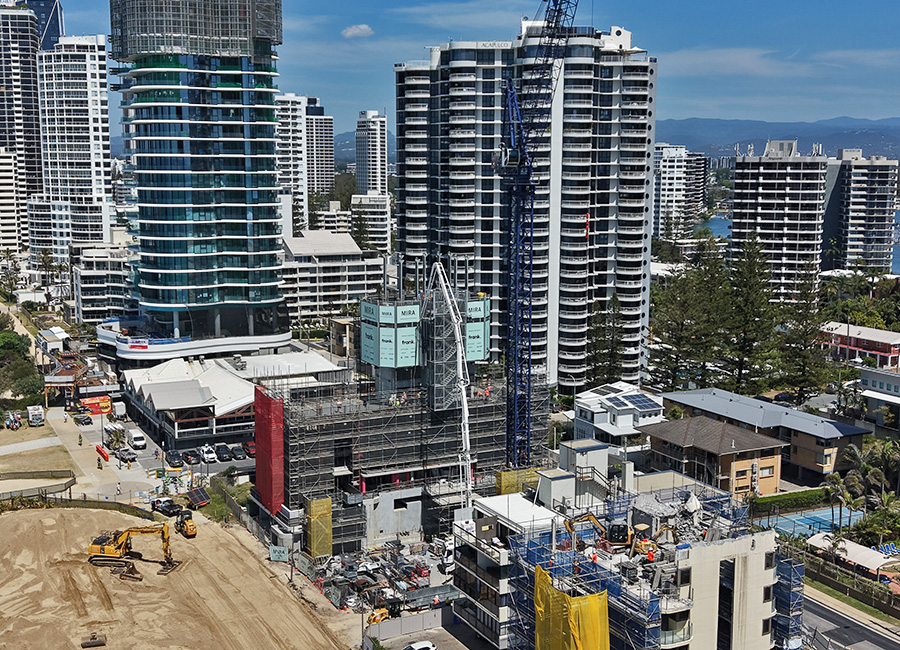
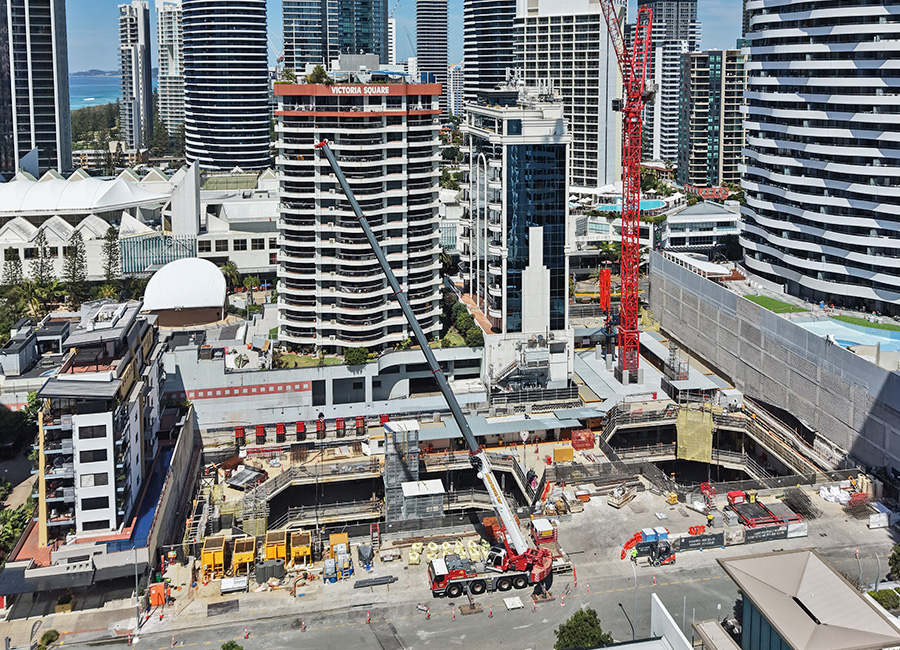
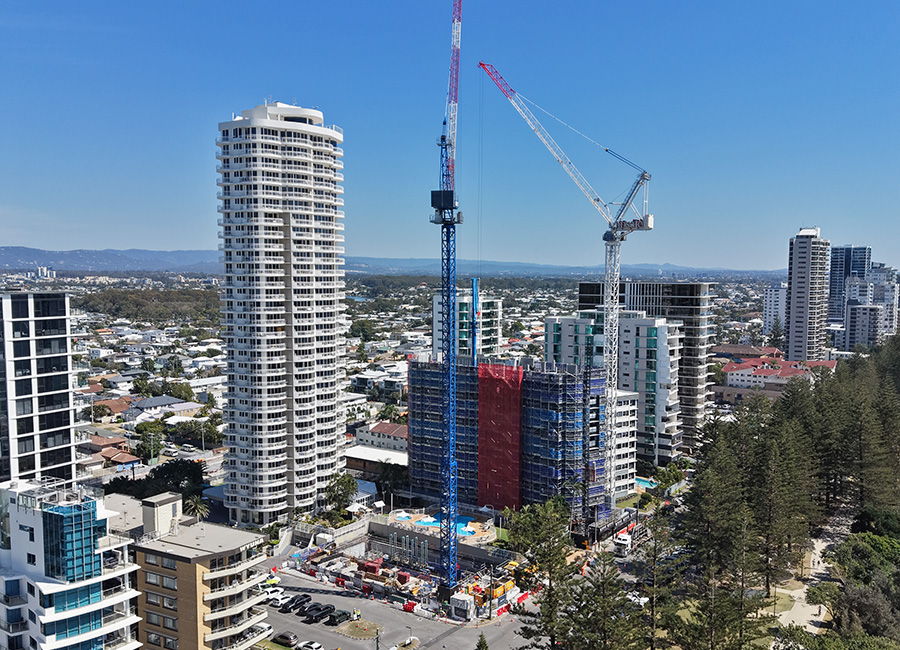
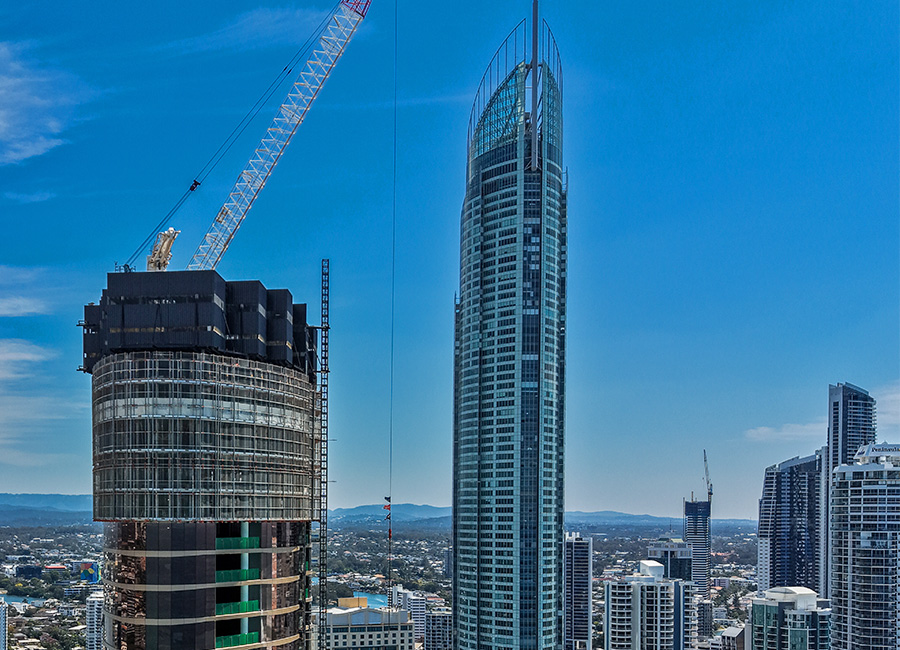
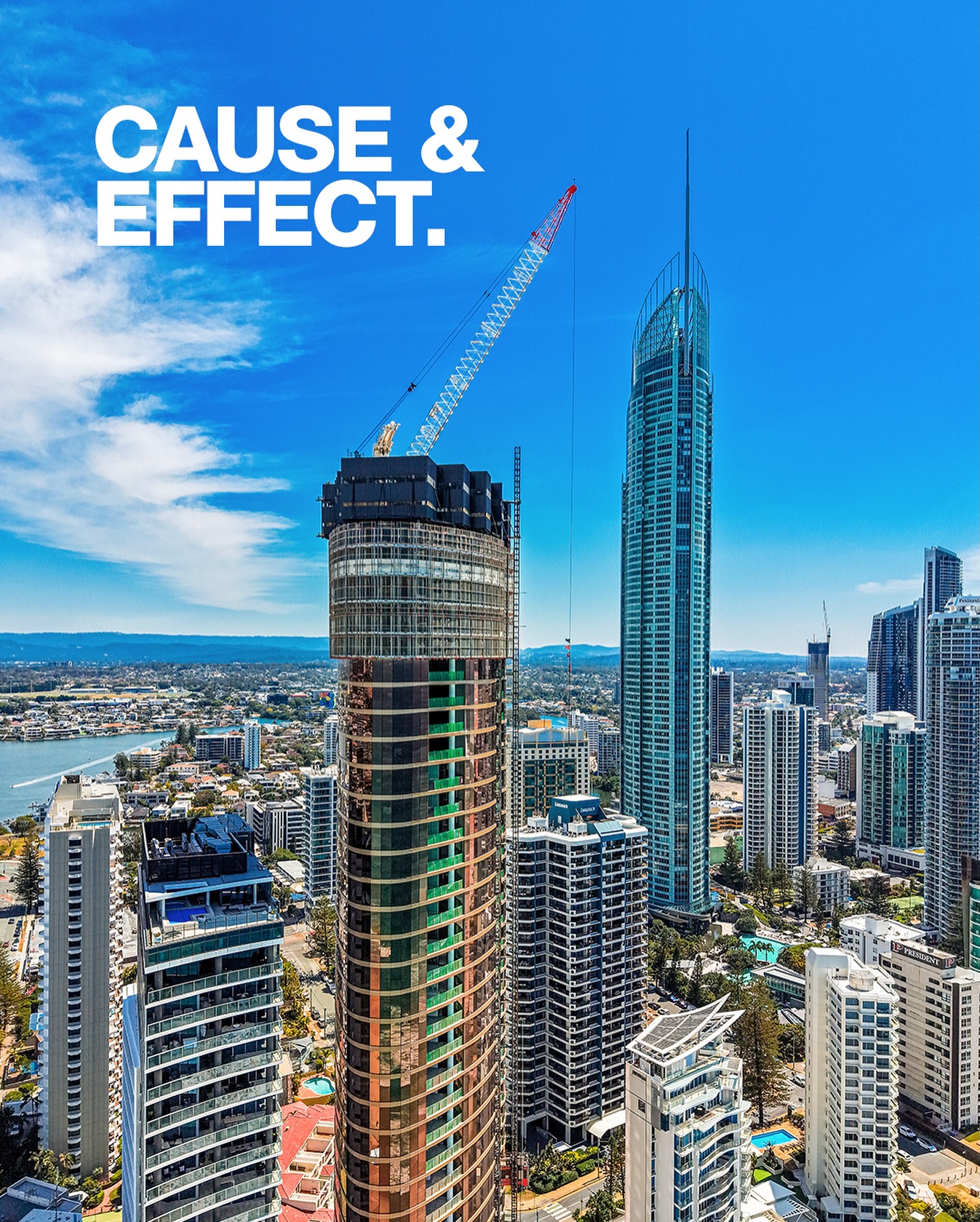
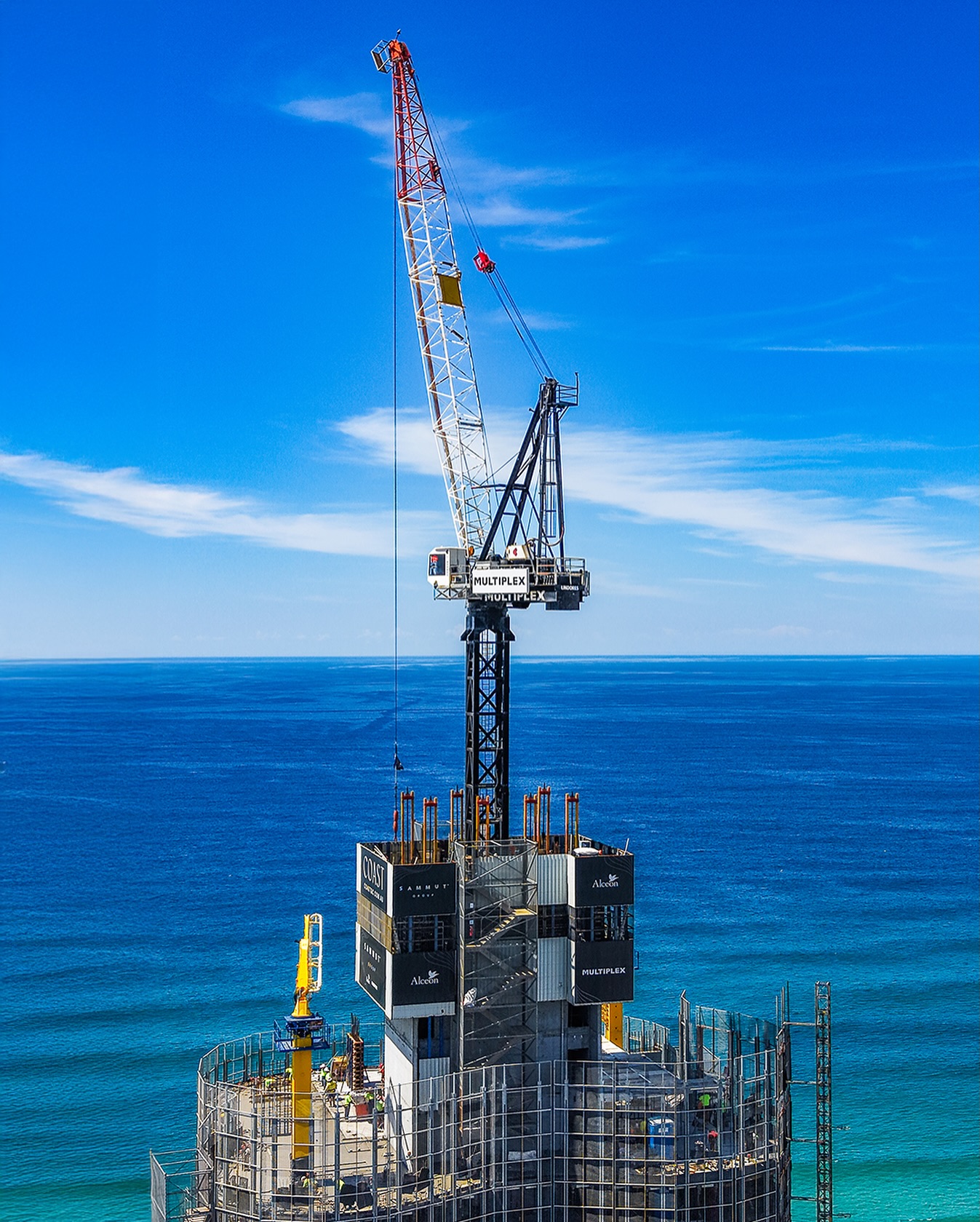
The development boom continues throughout South-East Queensland.
Queensland’s warm and humid climate adds to the problem. Daily showers, wet rooms, and high humidity create condensation inside these personal areas and the ventilation system itself. A thin layer of moisture helps particles stick to the surfaces and provides the perfect conditions for build-up and microbial growth. The effect builds up gradually: unsightly residues on vents and circular diffusers, a reduction in airflow, increasing unpleasant odours, dust that returns to vents soon after cleaning, and a heavy, stuffy feeling in the air.
The health implications are real. In the short term, exposure to airborne dust and bioaerosols can irritate the eyes, nose, and throat, trigger sneezing, coughing, or asthma attacks, and worsen allergies. Long-term exposure to fine particles can aggravate chronic conditions such as bronchitis or COPD, and in areas with high construction activity, silica dust has been linked to silicosis and other serious respiratory diseases. This isn’t alarmism – it’s simply recognising that dusty vents aren’t just an aesthetic issue; they’re a matter of indoor air quality and wellbeing.
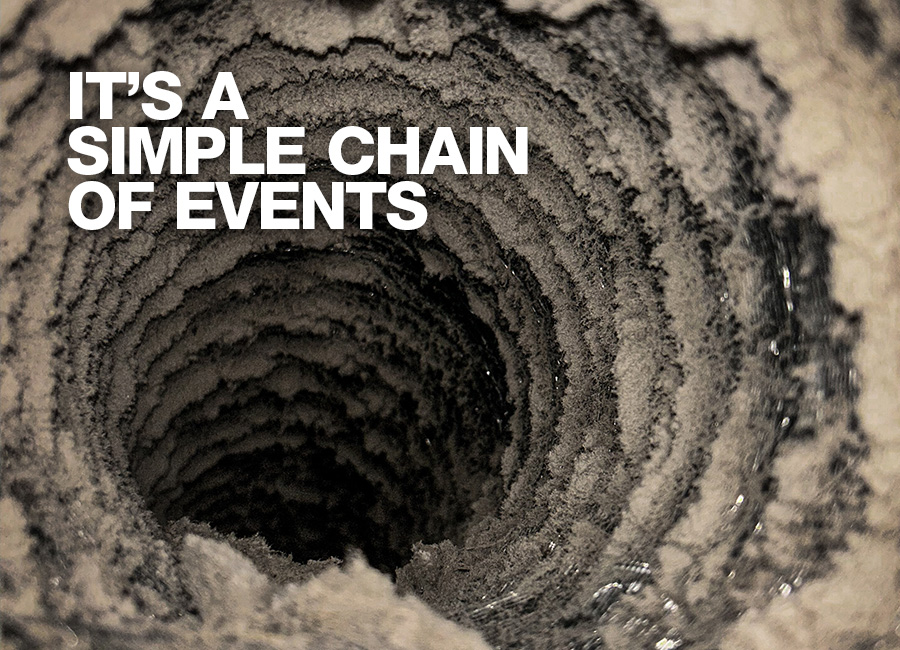
It’s a simple chain of events: Construction creates dust; dust enters your building; the climate traps it; and humidity activates it. Cause and effect.
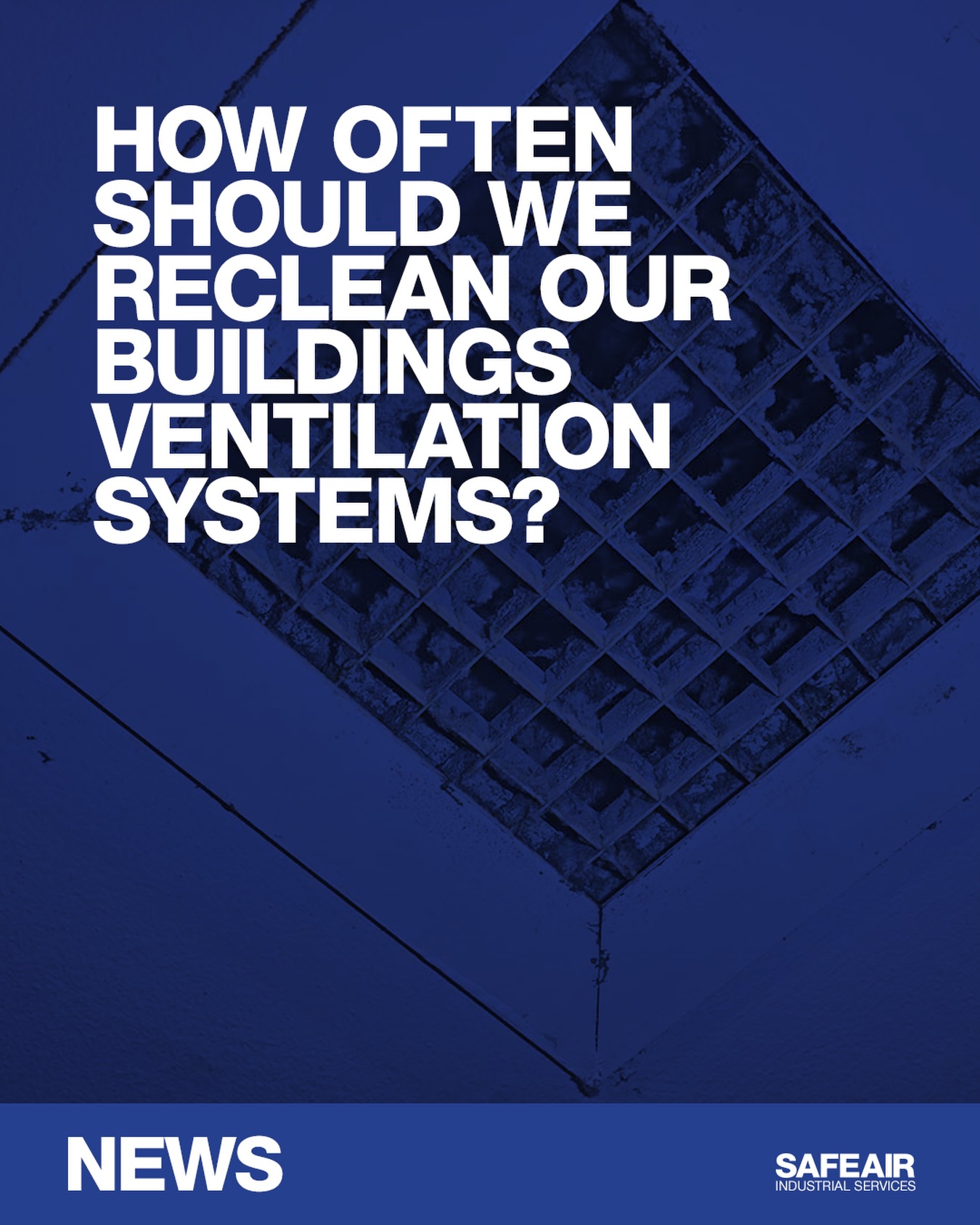
The good news is that the solution is also clear. While builders are responsible for dust control on site, building managers and body corporates must ensure that ventilation systems receive proper preventive maintenance. Forward-thinking committees already include deep cleaning the ventilation systems at every 2 to 4 years (subject to nearby development and upgrades.) It’s not an arbitrary number – it reflects the natural build-up of dust, the level of use, and system efficiency.
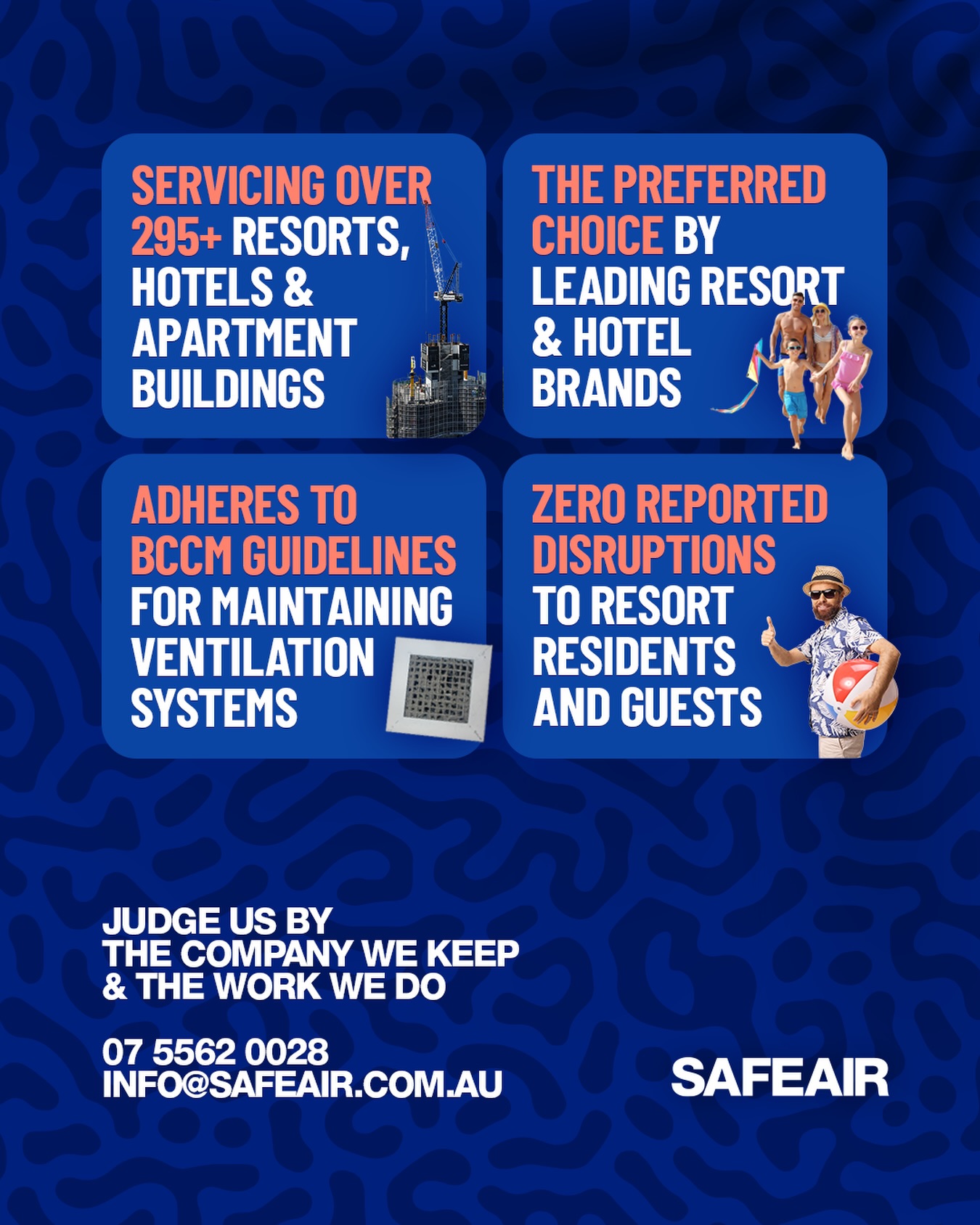
SafeAir service over 295+ buildings throughout South-East Queensland alone with many properties into their second, third, fourth and fifth cleaning cycles. Properties reclean their system as part of their preventative maintenance program to align with BCCM and BCA guidelines, improve air quality, reduce risk, reduce odours, modernise fittings, proactively prioritising the wellbeing of residents and guests, and for the overall aesthetics of keeping a clean system.
Locally, the Gold Coast City Council investigates and fines construction sites that cause excessive dust because it recognises the health and community impacts. Yet even compliant projects can create short-term dust peaks that affect nearby buildings. That’s why every body corporate should ask one straightforward question: Is a ventilation deep clean part of your preventive maintenance program, in line with BCCM recommendations? If the answer is “not yet,” there’s no better time to include it.
In the end, dirty vents aren’t a mystery – they’re the direct result of urban growth and a climate that encourages humidity. The solution is practical and proven: regular maintenance, prioritising proper ventilation, and scheduled deep cleans. It’s the most sensible way to protect residents’ health, reduce risks from accumulated dust, and ensure that your building’s ventilation system does what it’s meant to do – keep the air fresh, and occupants safe.
Taking action now prevents bigger problems later and helps everyone breathe easier at home, or on holiday.
SafeAir Can Help
Talk with a SafeAir Projects Team member today and arrange a free site survey and quotation for deep-cleaning your buildings exhaust ventilation systems.
Click here to learn more about the deep-clean process, read reviews and feedback from our valued customers or follow @SafeAirAU on Instagram for the latest posts and updates.






Services >
Apartment, Resort & Hotel Exhaust Ventilation Duct System Cleaning
Fire, dirt and mould risks – gone. Is your apartment building or unit complex at risk? Are you meeting Australian Standards guidelines for 8-24 air-changes per hour? By deep cleaning your buildings exhaust ventilation system with SafeAir you will remove years of potentially harmful and hazardous build-up, increase airflow throughout toilet, bathroom, en suite and laundry areas, restore your roof exhaust fans as well as increase overall system efficiency.

Clean at Prescribed Intervals

Remove Potential Fire Risks

Removal Potential Health Risks

Meet Australian Ventilation Standards
Services >
Apartment, Resort & Hotel Exhaust Ventilation Duct System Cleaning
Fire, dirt and mould risks – gone. Is your apartment building or unit complex at risk? Are you meeting Australian Standards guidelines for 8-24 air-changes per hour? By deep cleaning your buildings exhaust ventilation system with SafeAir you will remove years of potentially harmful and hazardous build-up, increase airflow throughout toilet, bathroom, en suite and laundry areas, restore your roof exhaust fans as well as increase overall system efficiency.
Clean at Prescribed Intervals
Remove Potential Fire Risks
Removal Potential Health Risks
Meet Australian Ventilation Standards
Subscribe For News & Updates
Get the latest on Duct Cleaning, Special Promotions and SafeAir