SafeAir’s Navigation Of Queensland’s Strata Law (Body Corporate Impasse Situations)
SafeAir’s Navigation Of Queensland’s Strata Law (Body Corporate Impasse)
SafeAir’s Navigation Of Queensland’s Strata Law (Body Corporate Impasse)
Body Corporate Responsibility for Exhaust Ventilation System Maintenance in Apartment Buildings

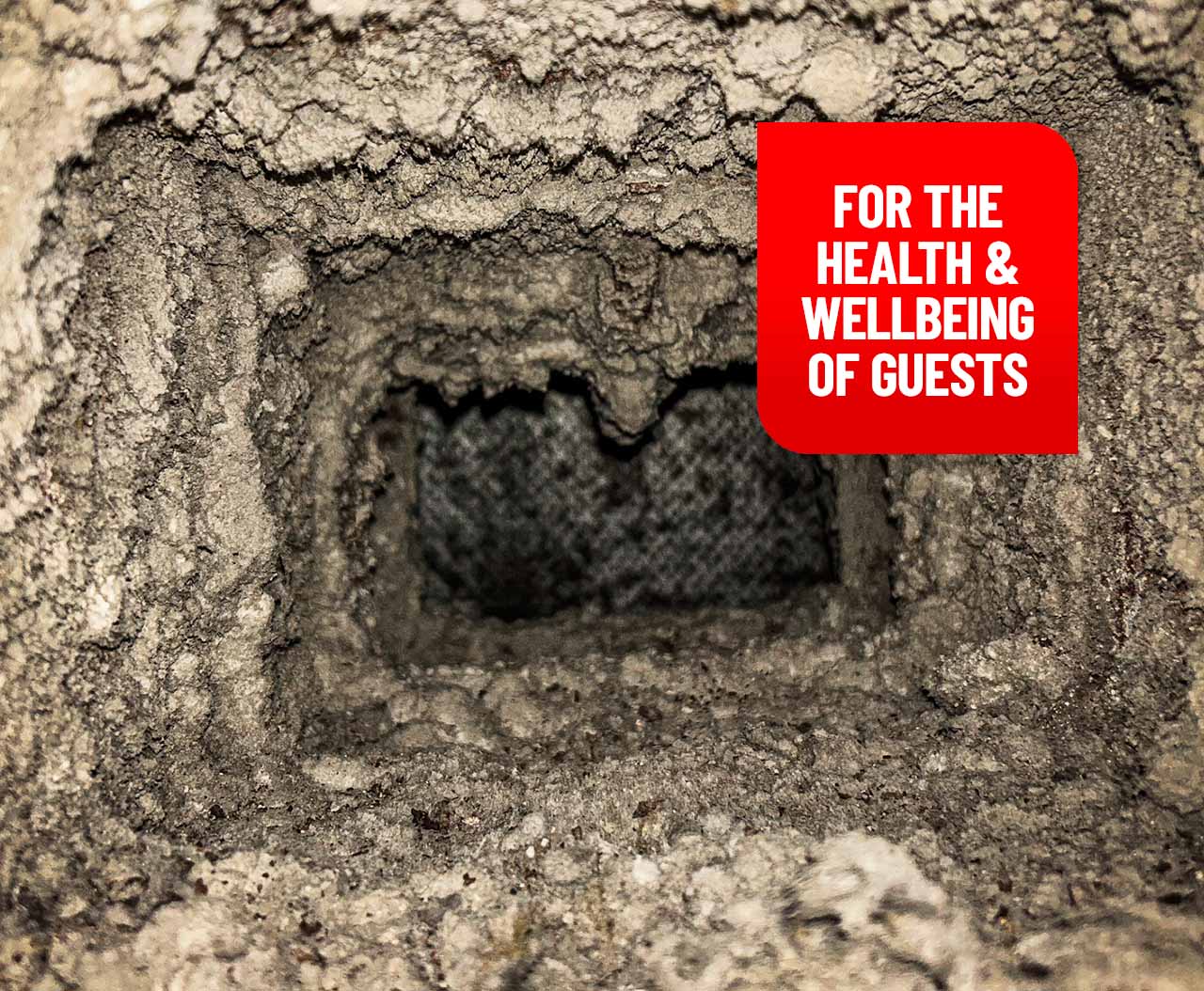
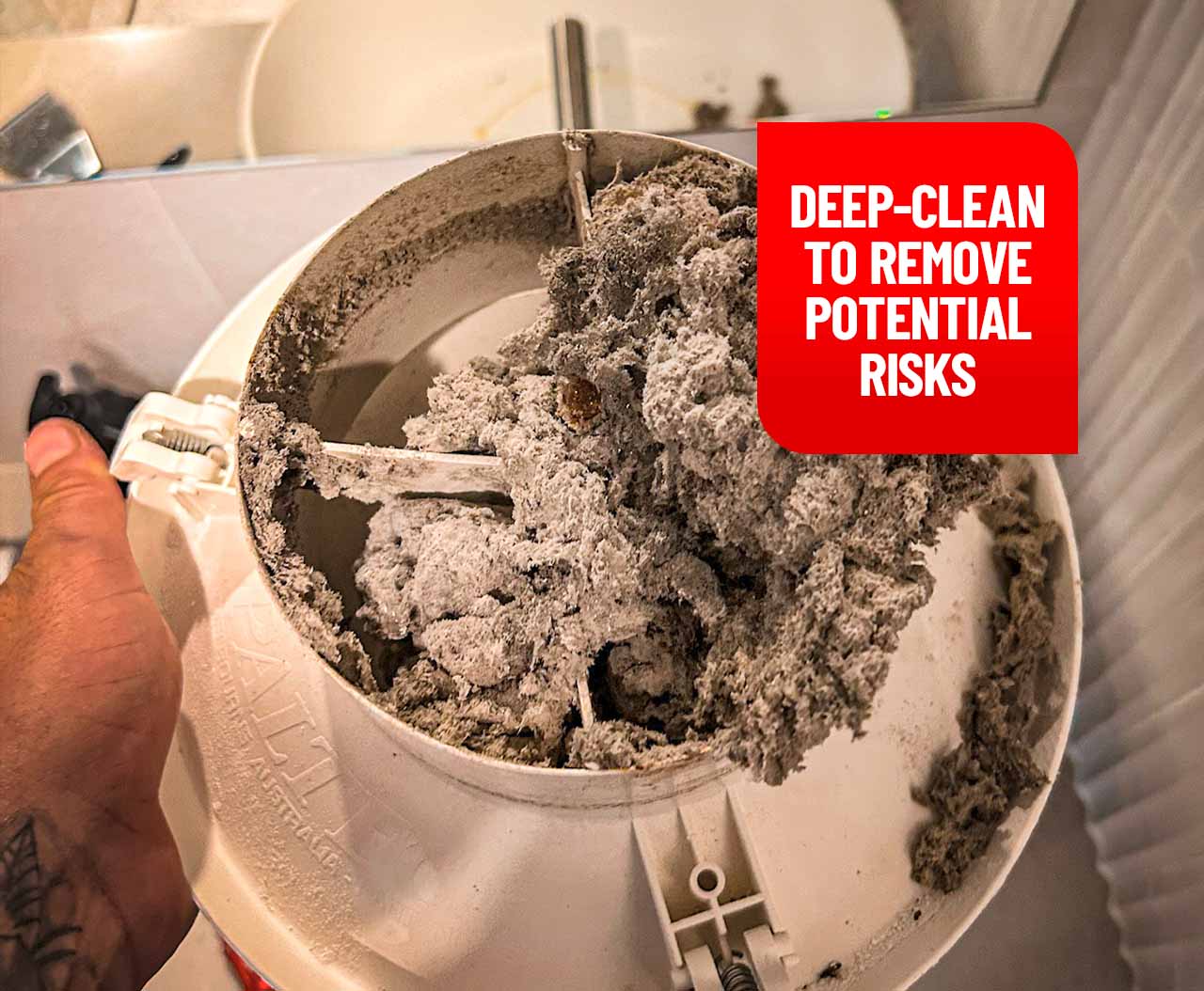
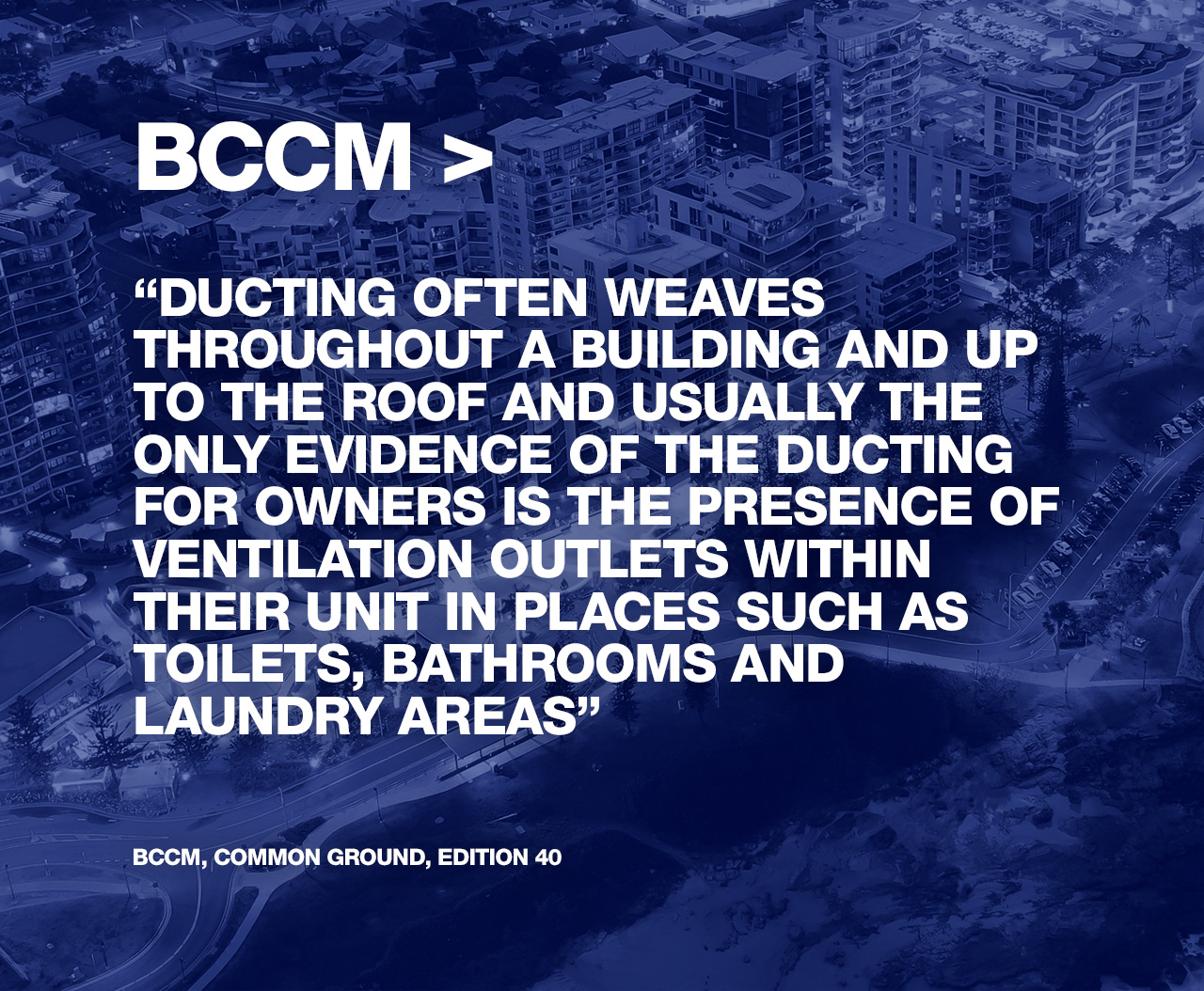
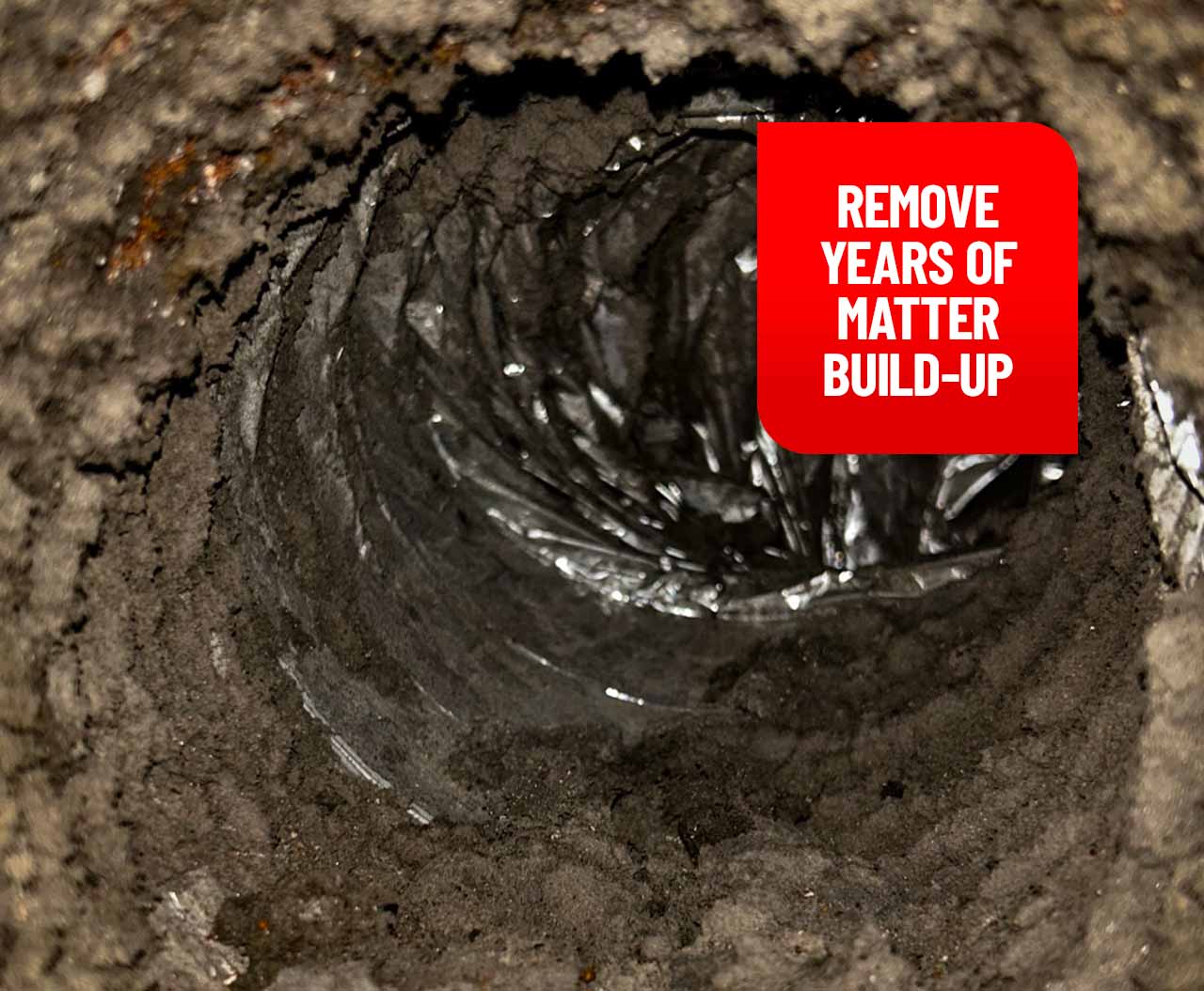
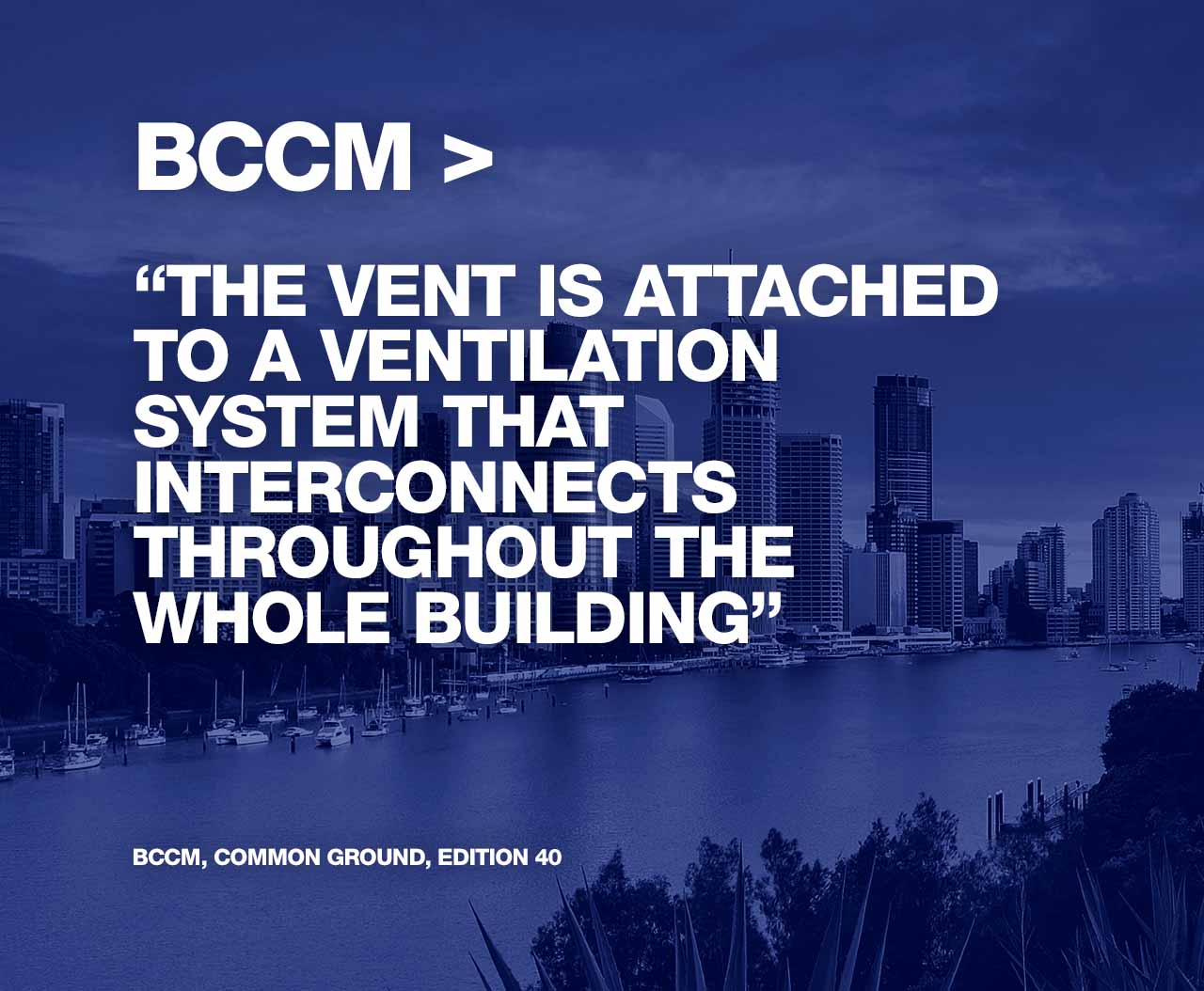
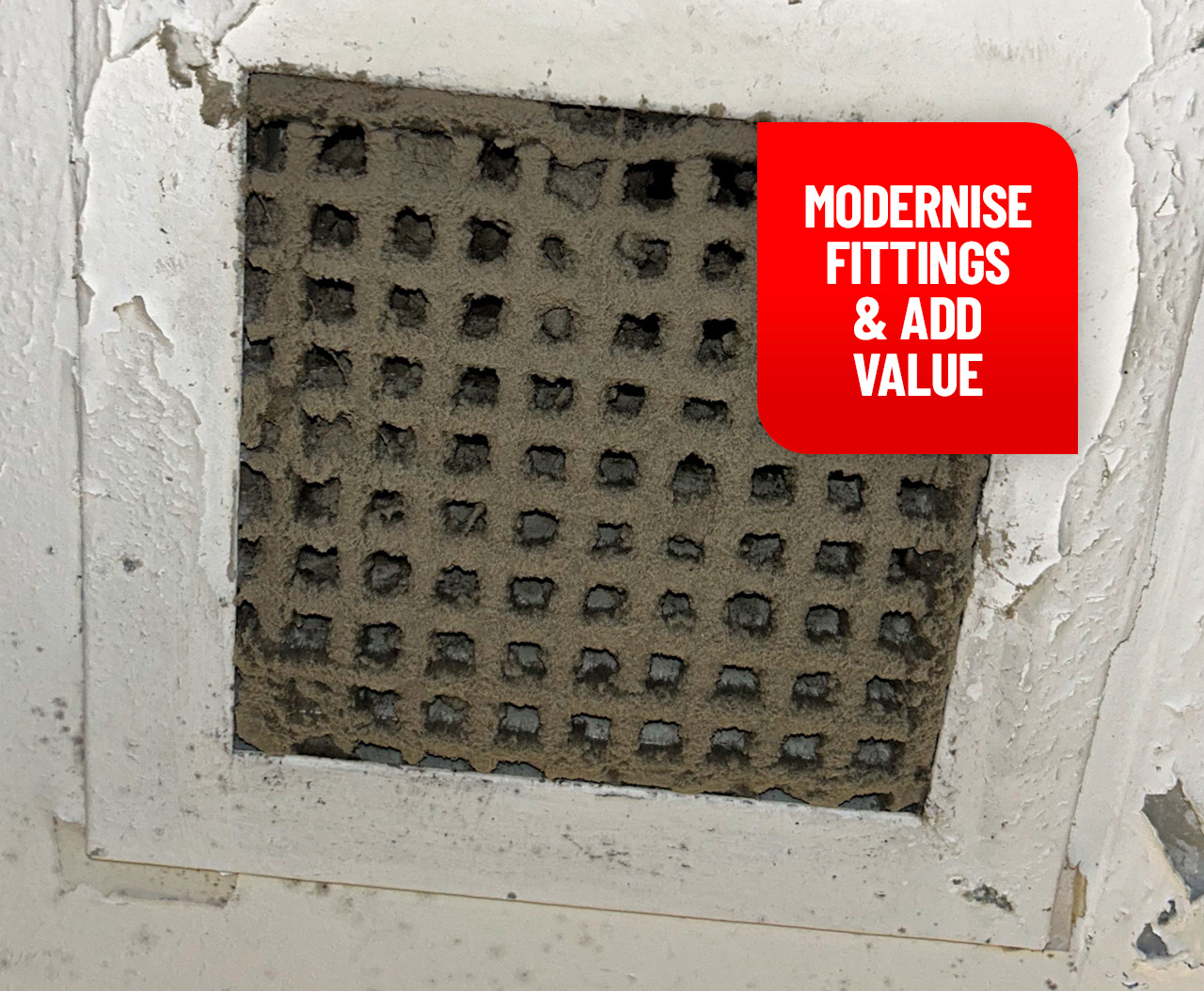
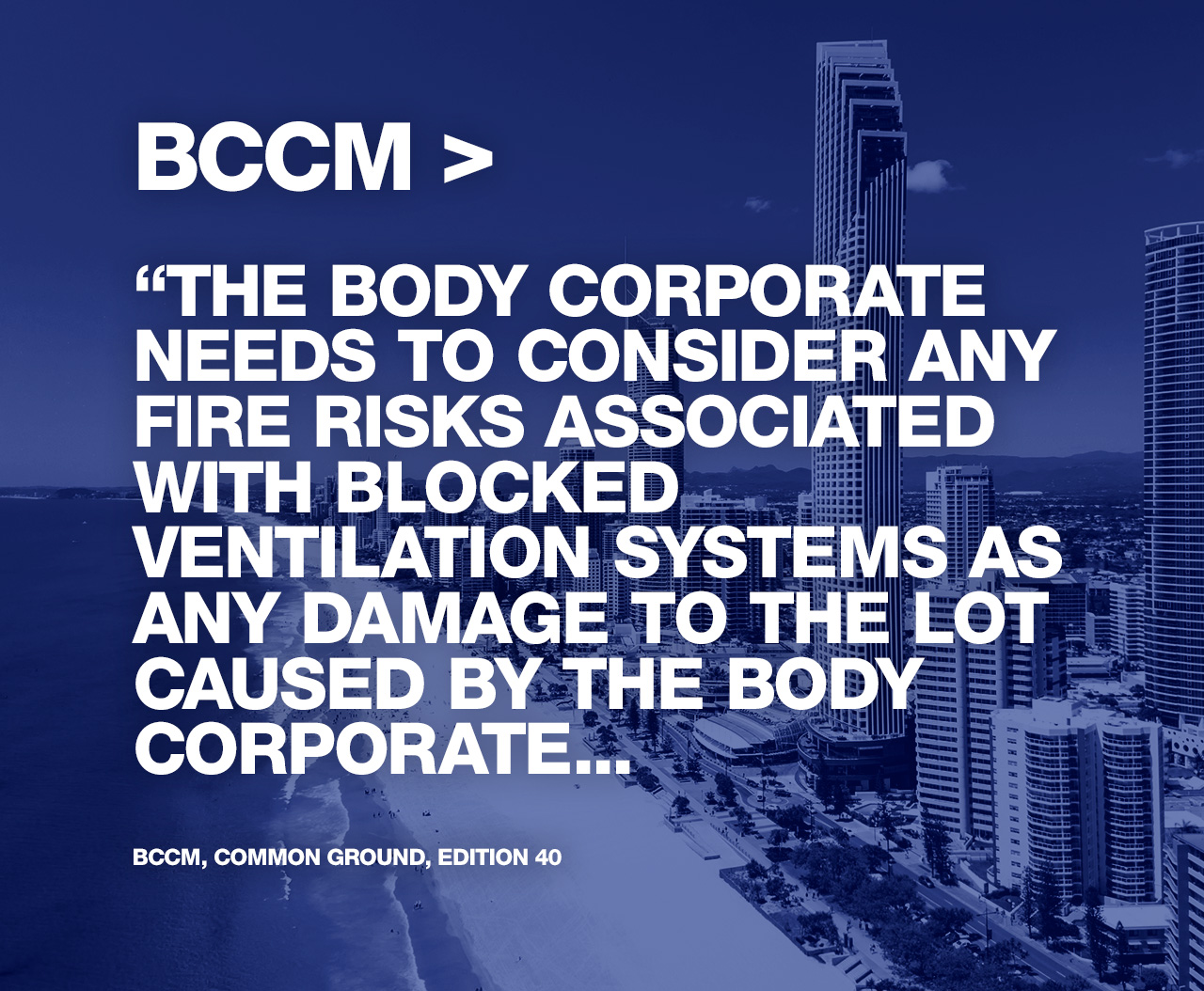
This report addresses a prevalent challenge encountered by duct cleaning companies in Queensland: the frequent assertion by Body Corporates in apartment buildings that the maintenance of shared exhaust ventilation systems is an individual lot owner’s responsibility. This misconception often leads to communication breakdowns and service impasses.
This analysis unequivocally establishes, based on Queensland strata law, building codes, and safety regulations, that the Body Corporate generally holds the primary statutory obligation for the comprehensive maintenance of these systems.
The legal foundation for Body Corporate responsibility is rooted in the classification of shared ventilation systems as “common property” or “utility infrastructure” serving multiple lots under the Body Corporate and Community Management Act 1997 (BCCM Act), particularly as applied to Building Format Plans. Furthermore, neglecting these systems carries significant fire, health, and Work Health and Safety (WHS) risks.
The Challenge of Exhaust Ventilation System Maintenance in Strata Schemes
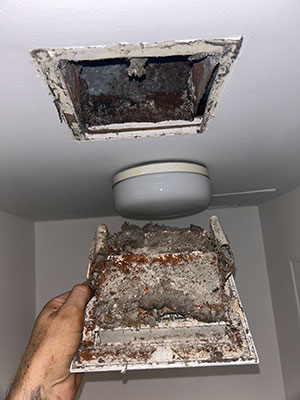
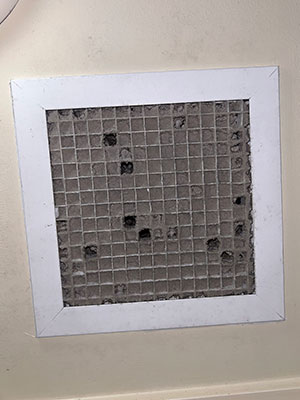
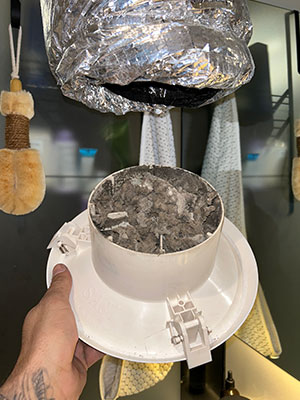
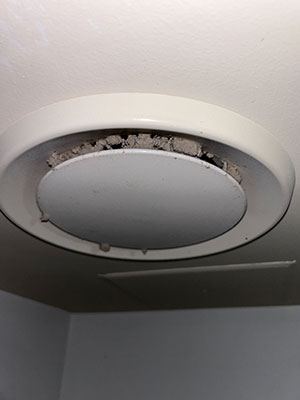
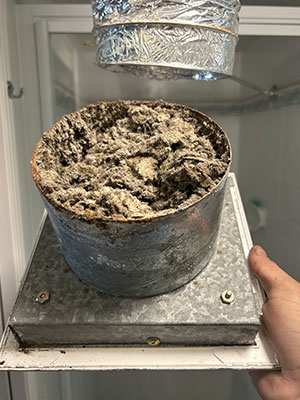
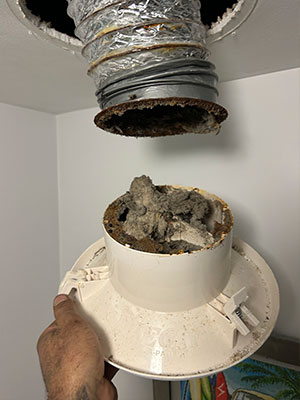
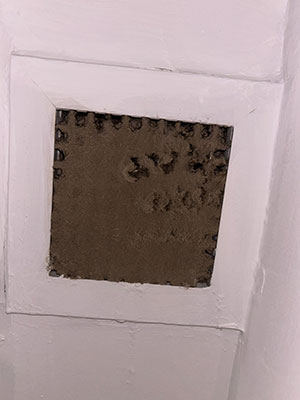
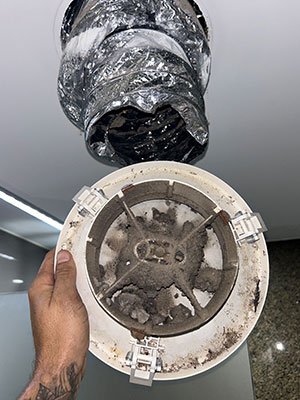
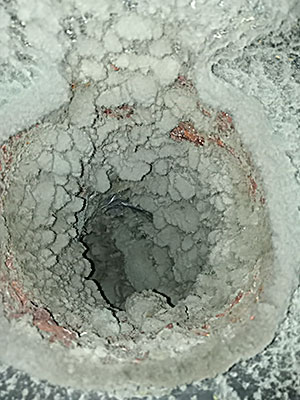
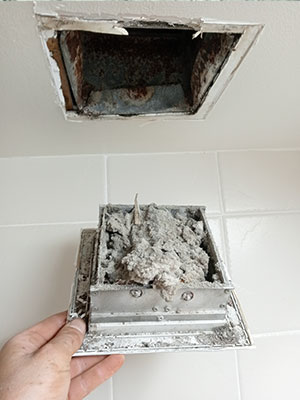
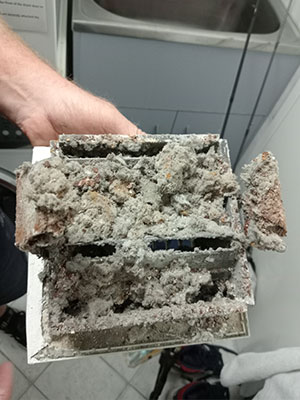
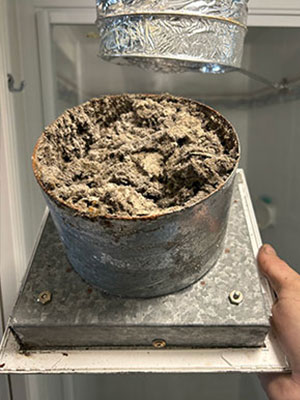
Duct cleaning companies operating in Queensland, particularly those specialising in exhaust ventilation systems within multi-unit residential buildings (apartment complexes), frequently encounter a specific operational challenge. These systems, integral to the building’s infrastructure, require maintenance to ensure proper functioning and air quality. However, when these companies propose servicing the entire ventilation system (more than one lot) Bodies Corporate occasionally respond by asserting that such maintenance is the individual lot owner’s responsibility. This disagreement often leads to a stalemate, resulting in a cessation of communication and preventing necessary work from being carried out.
The recurring nature of this dispute points to a fundamental misunderstanding by Body Corporates regarding the distinction between common property and individual lot property, especially concerning shared utility infrastructure. The impasse is not merely a communication failure; it stems from a gap in legal interpretation. This report aims to provide a comprehensive legal and regulatory analysis to clarify Body Corporate responsibility for exhaust ventilation system maintenance. By outlining the statutory obligations and potential consequences of non-compliance, this document seeks to equip duct cleaning companies with the necessary information and actionable strategies to effectively present their case and navigate these disputes, thereby overcoming the impasses they currently face.
Legal Framework: Body Corporate Obligations for Common Property Maintenance
The responsibility for maintaining exhaust ventilation systems in Queensland apartment buildings primarily rests with the Body Corporate, grounded in a comprehensive legal framework. This framework is detailed within the Body Corporate and Community Management Act 1997 (Qld) (BCCM Act) and its associated regulations, alongside specific provisions related to utility infrastructure and the type of community titles scheme.
General Maintenance Duties under the Body Corporate and Community Management Act 1997 (BCCM Act)
Under Queensland law, a Body Corporate has a strict statutory obligation to maintain common property in a good condition. This fundamental duty is explicitly outlined in Section 152 of the BCCM Act, Section 157 of the Body Corporate and Community Management (Accommodation Module) Regulation 2020, and Section 180 of the Body Corporate and Community Management (Standard Module) Regulation 2020. This legal mandate means that maintenance is not a discretionary expense but a non-negotiable legal requirement for the Body Corporate. Common property, in this context, refers to areas shared by all owners within a community titles scheme. Examples include communal lifts, stairways, shared driveways, swimming pools, and other shared facilities.
For apartment buildings, the vast majority are established under a Building Format Plan (BFP). This distinction is crucial because under a BFP, the Body Corporate’s maintenance responsibilities extend significantly beyond just the common property. The Body Corporate assumes added responsibility for parts of the land and building that are not technically common property but are integral to the building’s structure and overall integrity. This includes elements such as railings, parapets, balustrades, foundation structures, roofing structures providing protection, and essential supporting framework, including load-bearing walls. The Body Corporate is also explicitly required to maintain the building in a structurally sound condition. Shared exhaust systems, being integrated into the building’s fabric and serving multiple units, fall squarely under this broader BFP responsibility, directly countering any argument that their maintenance is solely an owner’s responsibility.
Exhaust Ventilation Systems as “Utility Infrastructure”
The BCCM Act provides a broad definition of “utility infrastructure,” which encompasses “pipes, cables, wires, sewers, drains, plant and equipment which supply a utility service to the lots or the common property”. This definition explicitly includes “air conditioning,” “drainage,” and “waste disposal” services. Exhaust ventilation systems, by their nature, manage air quality and facilitate the disposal of waste air, thus clearly falling within the scope of this definition.
The delineation of responsibility for utility infrastructure is critical. The Body Corporate is generally responsible for utility infrastructure that is part of common property. Conversely, an individual lot owner is responsible for utility infrastructure only to the extent that it relates solely to supplying utility services to their single lot, is located within the boundaries of that lot, and is not situated within a boundary structure for the lot. For instance, an individual air-conditioning unit serving only one lot, even if its plant is located on common property, is the owner’s responsibility. However, a central exhaust system that serves multiple apartments or common areas throughout the building is definitively the Body Corporate’s responsibility. The key distinction for determining responsibility is whether the system serves “only 1 lot” or “more than 1 lot”. Since a duct cleaning company services “the entire system throughout the building,” the system inherently serves multiple lots or common areas, thereby placing the responsibility on the Body Corporate.
Furthermore, the concept of “boundary structures” provides additional legal weight to the Body Corporate’s responsibility. Boundary structures are defined as floors, walls, or ceilings (excluding false ceilings) that contain the boundary between one lot and another lot, or between a lot and common property. Shared exhaust ducts, particularly vertical risers or horizontal runs connecting multiple units, are typically embedded within these structural elements. Utility infrastructure located within these boundary structures, if serving more than one lot, is the Body Corporate’s responsibility. This reinforces that these components are not individual lot owner responsibilities but integral parts of the common property or building structure, falling under the Body Corporate’s purview.
Impact of Building Format Plans on Maintenance Responsibilities
As previously noted, apartment buildings in Queensland almost exclusively operate under Building Format Plans (BFPs). This type of plan significantly broadens the Body Corporate’s maintenance duties. Under a BFP, the Body Corporate is responsible for maintaining structural components and shared services that are integral to the building’s overall integrity and functionality. Shared exhaust ventilation systems are essential for the building’s health, safety, and structural soundness. For example, inadequate ventilation can lead to the accumulation of moisture and the growth of mould, impacting the building’s fabric and the health of its occupants. Therefore, the maintenance of these systems transcends simple cleaning; it is a fundamental aspect of building management, directly falling under the Body Corporate’s statutory duty to maintain the building in a structurally sound condition and ensure its overall habitability.
Regulatory Compliance and Safety Imperatives for Exhaust Ventilation Systems
Beyond the direct maintenance obligations under strata law, Body Corporates are subject to various regulatory compliance and safety imperatives that further underscore their responsibility for exhaust ventilation systems. These include adherence to national building codes, fire safety standards, and work health and safety legislation.
National Construction Code (NCC) and Australian Standards (AS 1668.2) Requirements
The National Construction Code (NCC) Volume One, particularly Parts F6 (Health and Amenity) and J6 (Energy Efficiency), sets out critical requirements for ventilation in buildings, including Class 2 (apartment) and Class 3 (residential care) buildings. The NCC’s primary objectives for ventilation include safeguarding occupants from illness or loss of amenity due to a “lack of air freshness” (F6O1) and controlling “objectionable odours” and “harmful contamination” (F6P4).
AS 1668.2 Ventilation Standards & Ongoing Maintenance
Crucially, AS 1668.2 also covers the “installation and maintenance” of mechanical ventilation systems, with Clause 7.3 specifically addressing “ongoing maintenance”. This implies a continuous duty to ensure these systems function effectively over their lifespan.
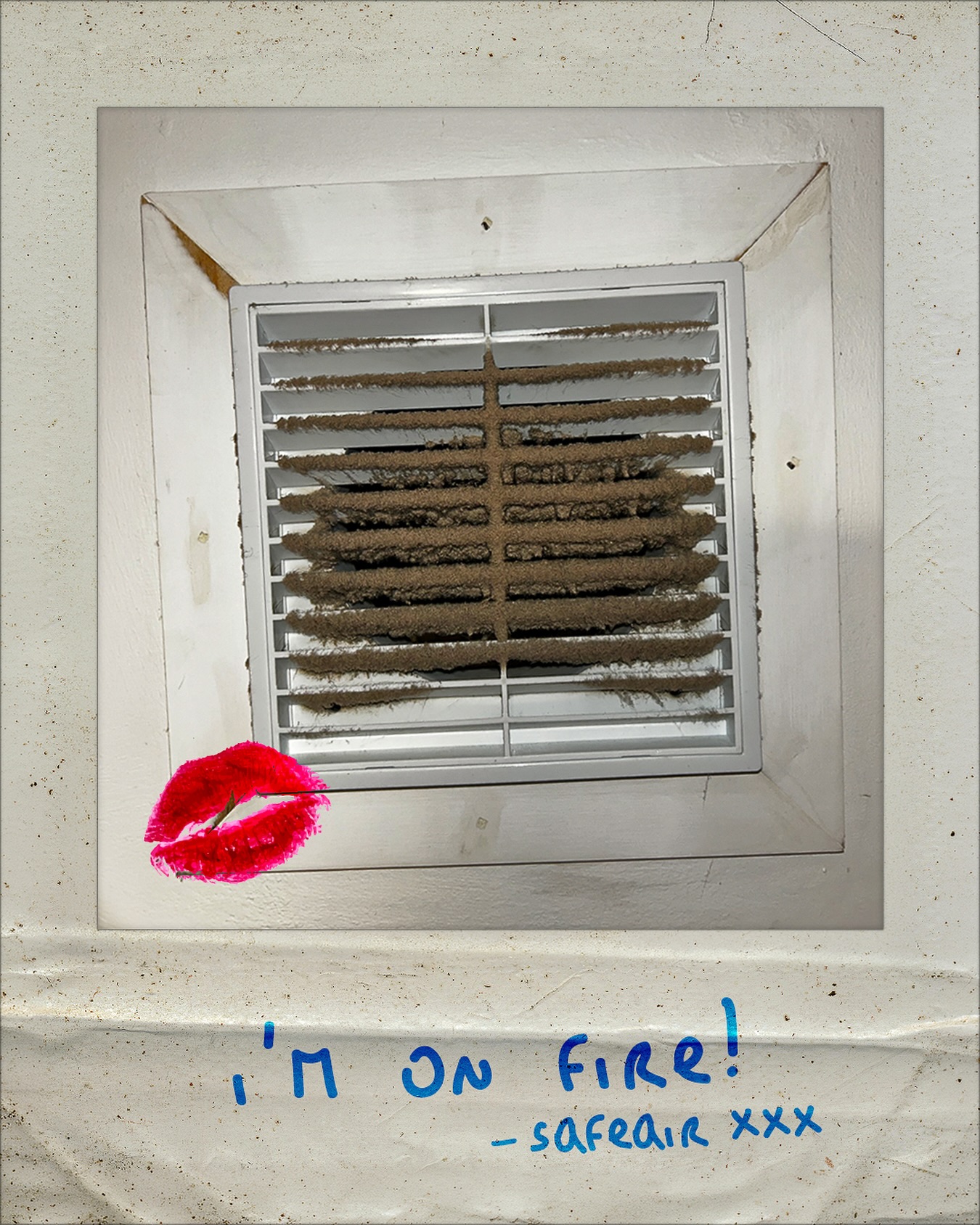
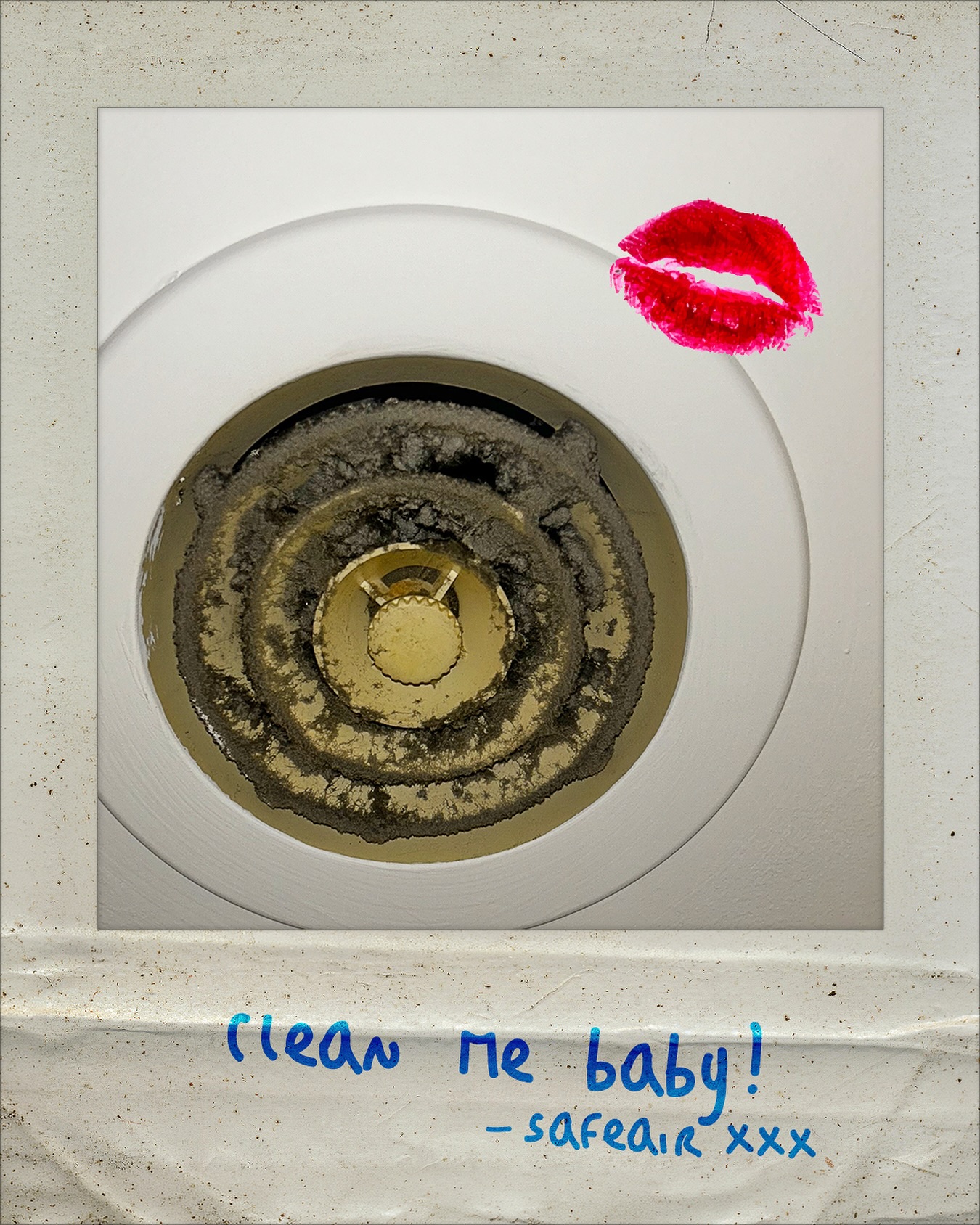
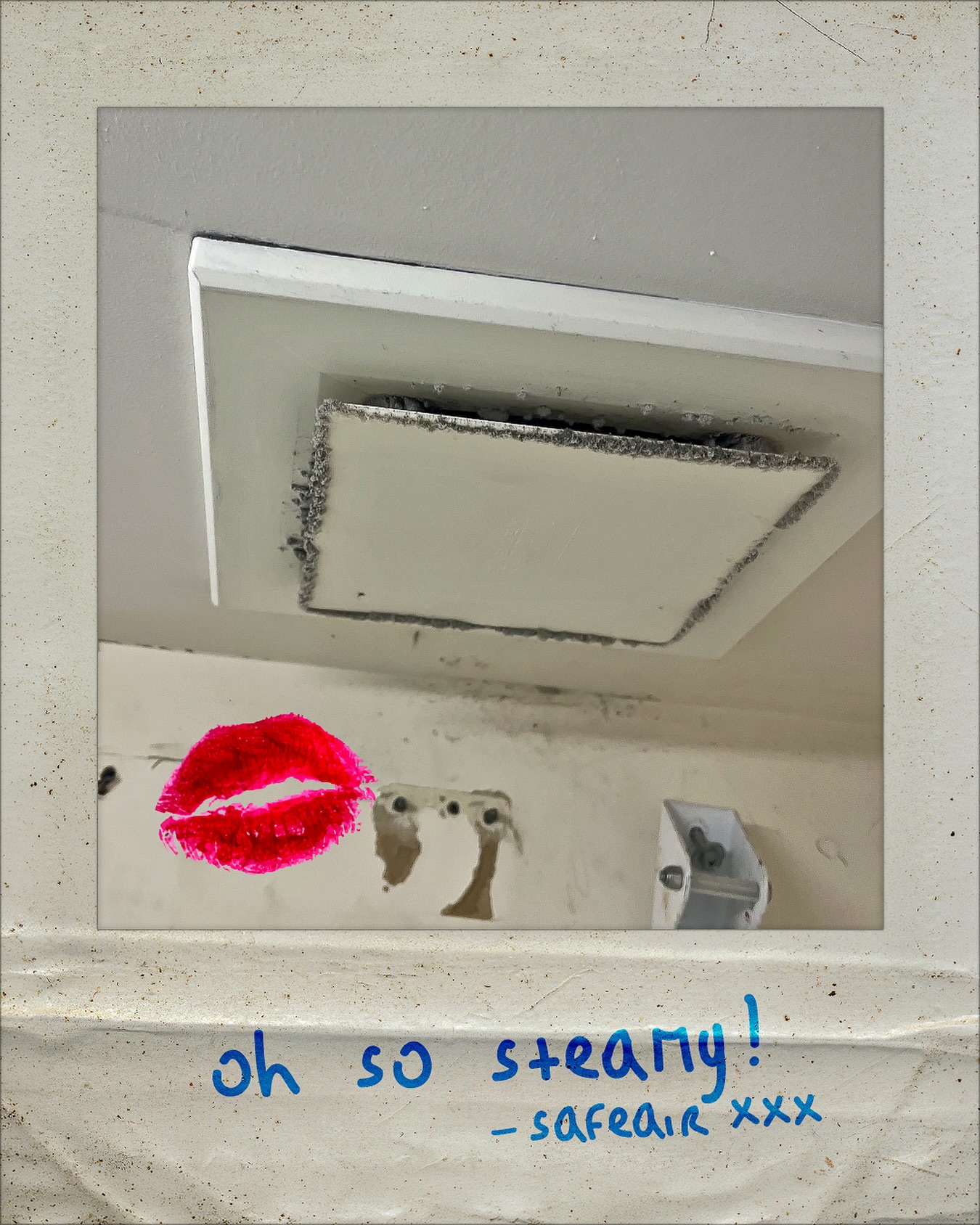
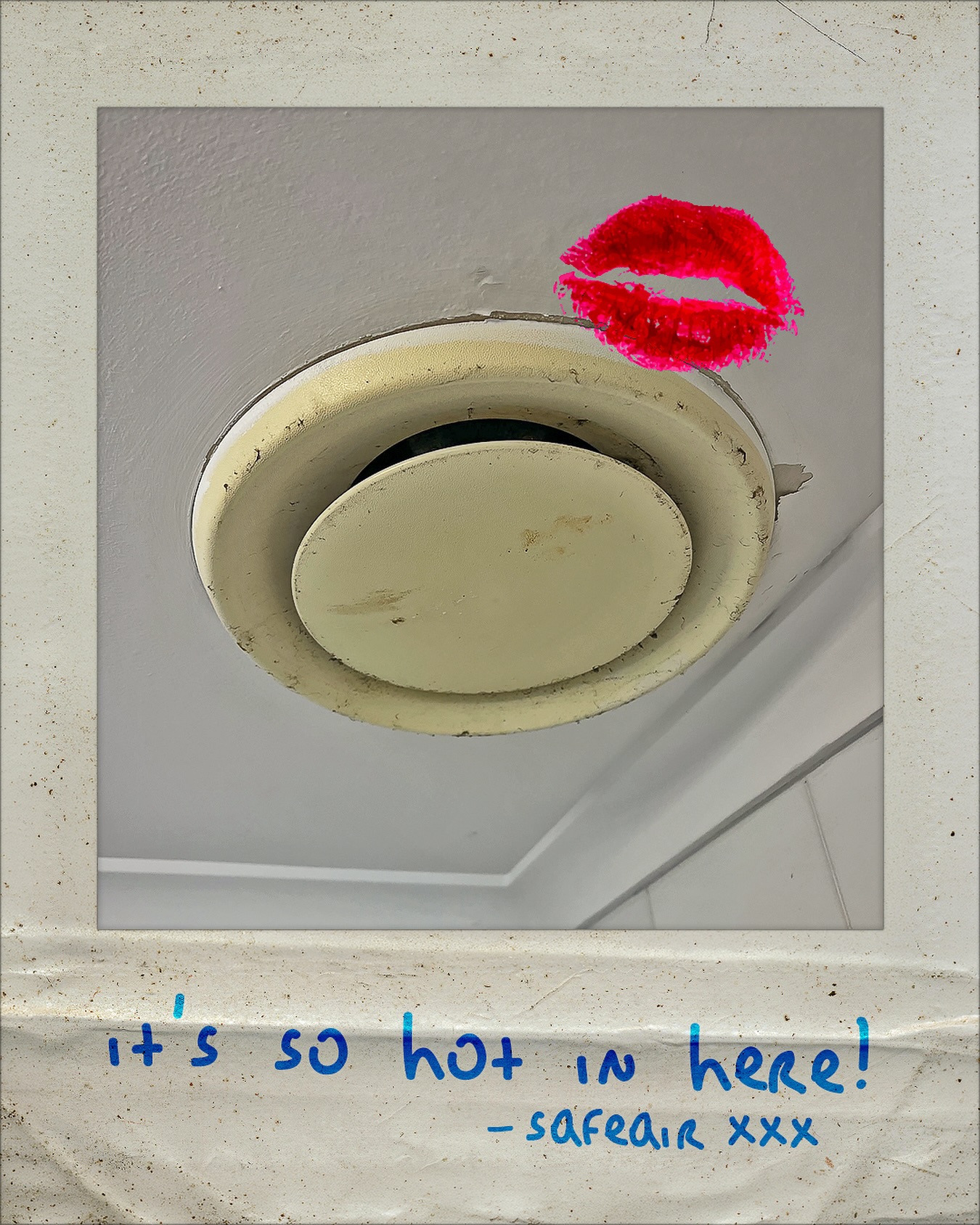
An uncleaned, inefficient, or blocked exhaust system cannot meet the specified air quality, odour control, or contaminant removal performance requirements. Therefore, regular cleaning is not an optional service but a necessary activity for the Body Corporate to remain compliant with fundamental building codes and ensure the ongoing health and amenity of its occupants.
Talk to SafeAir and arrange a free quote to deep-clean your buildings exhaust ventilation systems.

To meet these objectives, rooms such as sanitary compartments, bathrooms, shower rooms, laundries, and kitchens must be equipped with natural ventilation or a mechanical ventilation system that complies with Australian Standard AS 1668.2.12 AS 1668.2 establishes minimum requirements for air-handling systems to prevent the accumulation of airborne contaminants and objectionable odours. It specifically details requirements for exhaust ventilation systems, including minimum ventilation rates for various spaces within a building.
The NCC’s explicit focus on preventing illness and loss of amenity due to inadequate ventilation provides a powerful, non-financial argument for the Body Corporate to act, as issues like mould growth and persistent odours are direct consequences of poor ventilation, impacting residents’ health and quality of life.
Strategies for Overcoming Impasses
To effectively address and overcome impasses with Body Corporates regarding exhaust ventilation system maintenance, a multi-faceted approach combining clear communication, robust documentation, and an understanding of formal dispute resolution pathways is essential.
Effective Communication and Documentation
All communications with Body Corporates should be conducted in writing, maintaining a factual and professional tone, and avoiding emotional language. This creates an indisputable record that can be invaluable for future reference or in formal dispute resolution processes. When seeking action from the Body Corporate, it is advisable to formally propose a motion to the committee or a general meeting. This ensures the matter is properly considered and recorded in the Body Corporate’s official minutes.
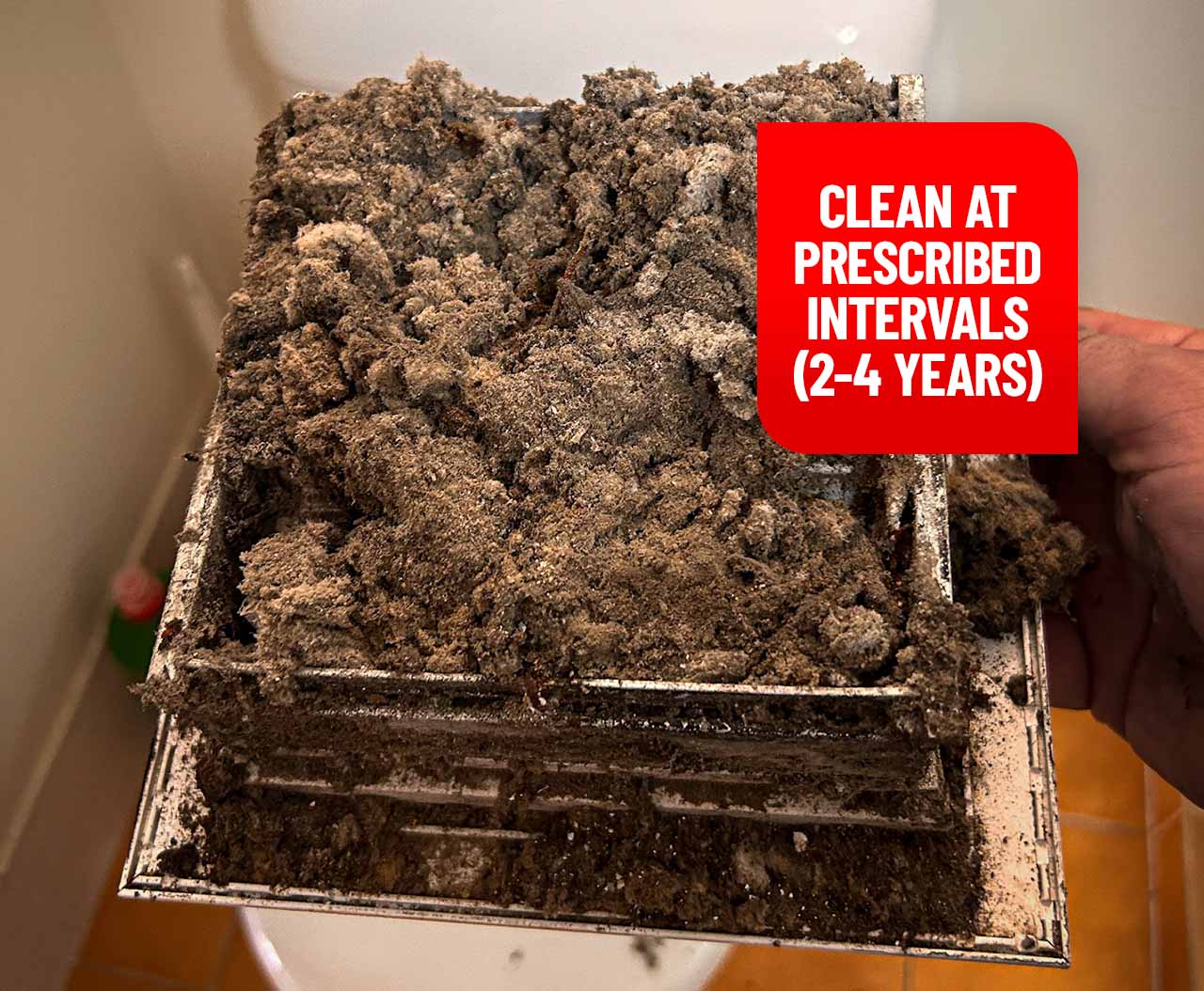
Comprehensive documentation is paramount. Duct cleaning companies should provide detailed quotes, an inspection report along with work in progress photos and feedback on the system’s condition. Strategically, the cleaning service should be framed not as a discretionary expense but as a necessary measure for risk mitigation (fire, health, WHS), and protection of the building’s asset value. Proactive engagement, such as suggesting visual inspections to monitor build-up and recommending cleaning intervals based on these findings, positions the company as a long-term partner in compliance and risk management, rather than a one-off service provider. This approach can help prevent future impasses by establishing a planned, compliant maintenance approach.
SafeAir Can Help
Talk with a SafeAir Projects Team member today and arrange a free site survey and quotation for deep-cleaning your buildings exhaust ventilation systems. Click here to learn more about the deep-clean process, read reviews and feedback from our valued customers or follow @SafeAirAU on Instagram for the latest posts and updates.
Services >
Apartment, Resort & Hotel Exhaust Ventilation Duct System Cleaning
Fire, dirt and mould risks – gone. Is your apartment building or unit complex at risk? Are you meeting Australian Standards guidelines for 8-24 air-changes per hour? By deep cleaning your buildings exhaust ventilation system with SafeAir you will remove years of potentially harmful and hazardous build-up, increase airflow throughout toilet, bathroom, en suite and laundry areas, restore your roof exhaust fans as well as increase overall system efficiency.

Clean at Prescribed Intervals

Remove Potential Fire Risks

Removal Potential Health Risks

Meet Australian Ventilation Standards
Services >
Apartment, Resort & Hotel Exhaust Ventilation Duct System Cleaning
Fire, dirt and mould risks – gone. Is your apartment building or unit complex at risk? Are you meeting Australian Standards guidelines for 8-24 air-changes per hour? By deep cleaning your buildings exhaust ventilation system with SafeAir you will remove years of potentially harmful and hazardous build-up, increase airflow throughout toilet, bathroom, en suite and laundry areas, restore your roof exhaust fans as well as increase overall system efficiency.
Clean at Prescribed Intervals
Remove Potential Fire Risks
Removal Potential Health Risks
Meet Australian Ventilation Standards
Subscribe For News & Updates
Get the latest on Duct Cleaning, Special Promotions and SafeAir