

How Often Should We Reclean Our Buildings Ventilation Systems?
How Often Should We Reclean Our Buildings Ventilation Systems?
How Often Should We Reclean Our Buildings Ventilation Systems?
A Preventative Decision That Protects Your Building and Its Community.
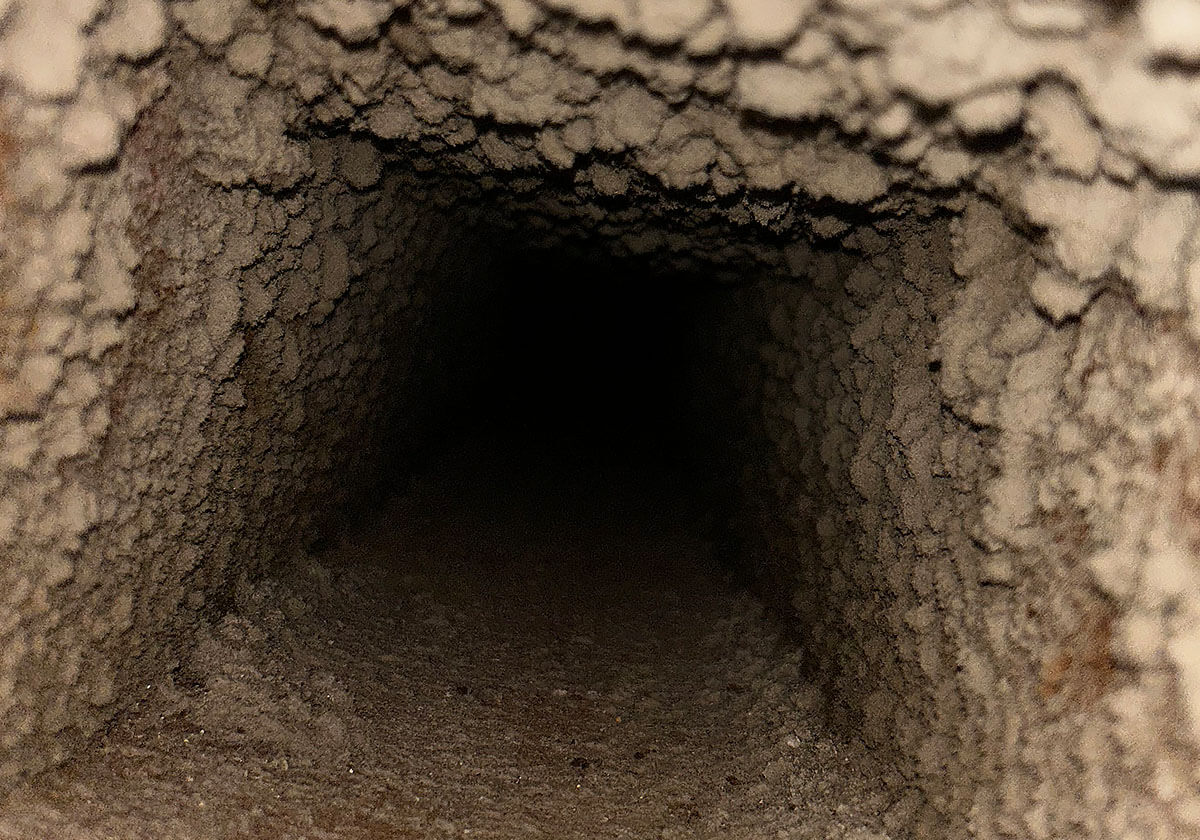
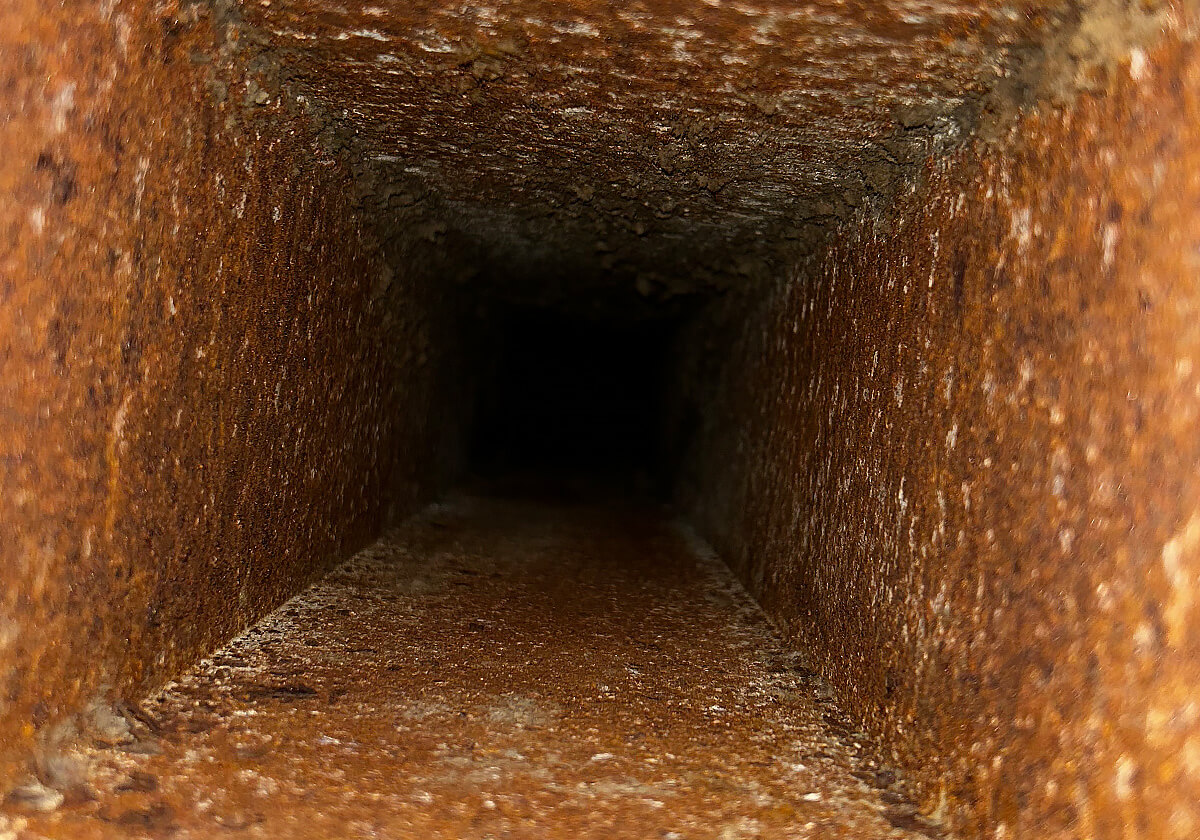
In most residential buildings across Queensland, mechanical exhaust ventilation systems operate quietly in the background every day. The systems are designed to extract air-moisture, heat and odours from toilet, bathroom, ensuite and laundry areas, helping prevent condensation build-up and protecting both the structure of the building and the wellbeing of residents.
Although rarely visible, these systems form a critical part of a building’s common infrastructure. They consist of extraction grilles connected to a concealed network of ventilation ductwork that carries air from each apartment (toilet, laundry and wet areas) to the exhaust fans located on the roof, or within a plant room. When operating correctly, the system maintains continuous airflow, removing air efficiently and preventing it from lingering inside apartments.
The issue is simple: ductwork does not stay clean indefinitely.
With everyday use, lint, dust and airborne particles begin to accumulate inside the ducts. This build-up is gradual. It doesn’t cause an immediate failure, but over time it reduces the system’s ability to extract air at the rate it was originally designed to achieve.
When airflow is restricted, consequences begin to surface.
Air moisture takes longer to clear. Condensation increases. Conditions become more favourable for mould growth. Odours may persist in toilet areas and even extend to living spaces. Meanwhile, exhaust fans are forced to work harder to compensate for internal resistance, leading to increased wear, higher energy consumption and reduced equipment lifespan.
There is also a safety consideration that should not be underestimated. Accumulated build-up inside ductwork poses potential risks. BCCM recommend regular maintenance programs to identify and remove any accumulated risk before it becomes a hazard.
From a health perspective, Australian public health authorities recognise that prolonged exposure to indoor dampness and mould can impact occupants, particularly children, older residents and those with respiratory conditions. Inefficient ventilation is not merely a comfort issue – it can become a broader community wellbeing concern.
This leads to a critical question for committees and building managers: how often should the system be cleaned?
Why Re-Clean Every 2–3 Years?
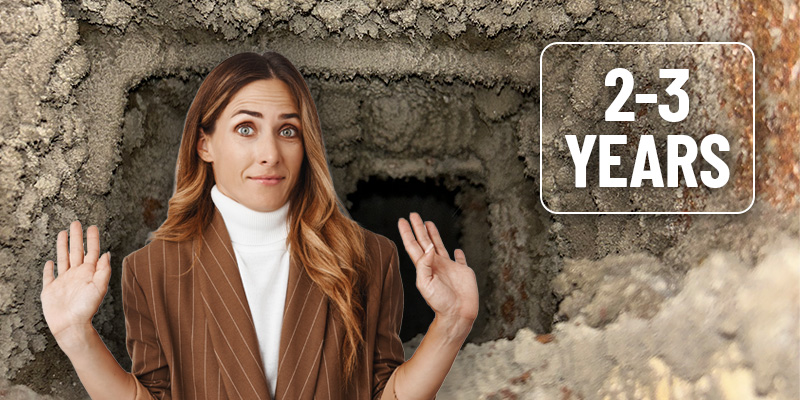
After an initial deep clean, reaccumulation begins again from day one. The system continues operating, but it remains exposed to the same environmental and usage conditions that caused the original build-up.
In buildings located near roadworks, infrastructure projects or coastal environments, airborne particles may accelerate the rate of accumulation.
A structured re-cleaning cycle every two to three years allows intervention before system performance declines significantly. This preventative interval helps to:
- Remove build-up before it becomes a potential fire or health risk.
- Restore the system’s intended design and operational capacity.
- Minimise air moisture and associated mould risks.
- Identify worn dampers, grilles (vents) or diffusers to ensure the system is balanced and operating effectively.
- Extend the operational life of mechanical components and reduce premature replacement costs.
Many of our clients throughout SEQ have adopted this preventative approach are now in their second, third , fourth and even fifth cleaning cycles. This demonstrates that periodic re-cleaning is not a one-off measure, but a sustainable long-term asset management strategy that adds real benefit to residents and maintenance of the system over time and adheres to BCCM guidelines ensuring any potential fire or health risks are removed.
Structuring a Responsible Maintenance Program
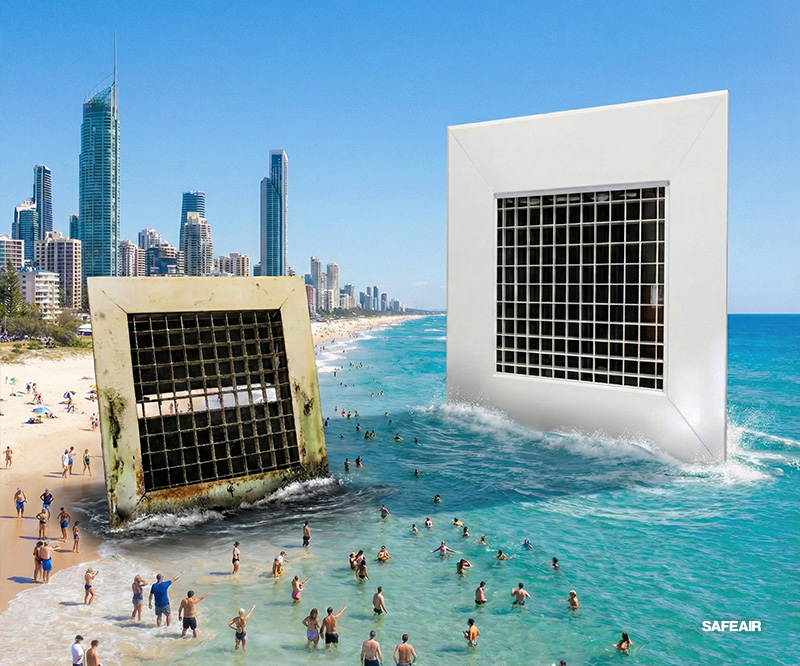
For a proactive committee, the key is forward planning rather than reactive maintenance.
A practical program should include visual inspections at set intervals to identify visible build-up/accumulation. Recleaning the system also provides an opportunity to restore/renew any broken or damaged fittings such as air vents and volume control dampers (OBD’s.)
Ensure the contractor provides a general report of the system that highlights any issues that can be addressed as adhoc work, or, during a future reclean of the system.
A Strategic Committee Decision
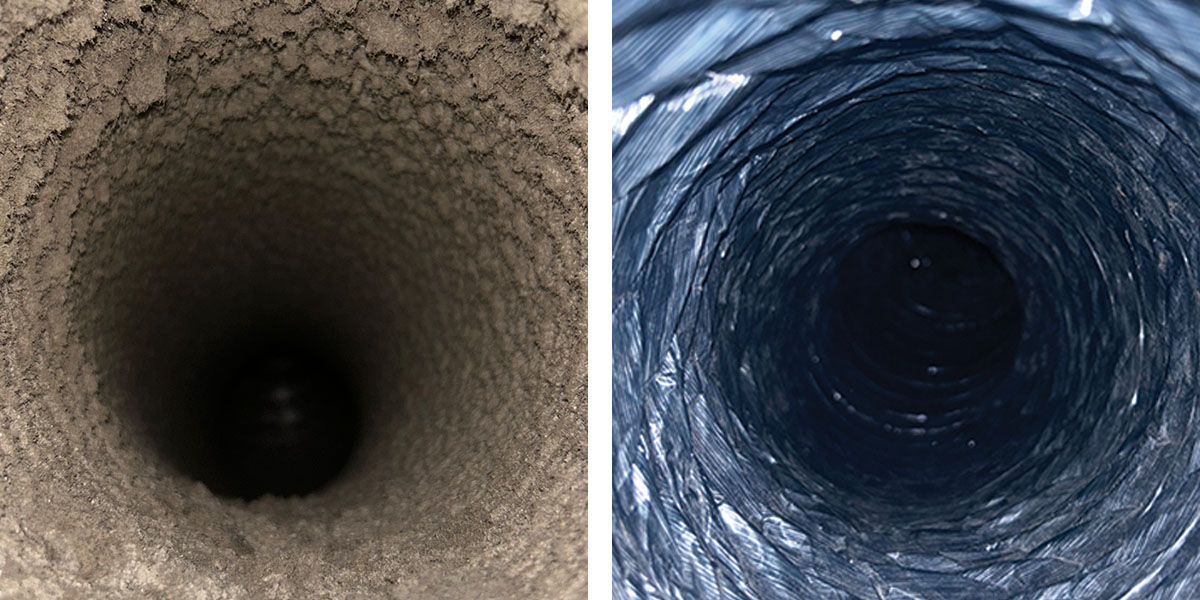
Ventilation is, in practical terms, the “lungs” of the building. If that breathing becomes progressively restricted, the consequences are rarely immediate – but they are cumulative.
What begins as a minor reduction in efficiency can evolve into structural issues, increasing resident complaints, mechanical failures and safety risks.
Implementing a two-to-three-year re-cleaning cycle should not be viewed as an optional expense. It is a preventative investment that protects the asset, reduces exposure to fire and health risks, and demonstrates responsible governance to lot owners and residents alike.
For committees in Queensland, the question is not whether the system will require cleaning again – but whether it will be scheduled proactively, or addressed only after problems emerge.
Planning ahead is always more cost-effective – and significantly safer – than responding to an avoidable incident.
SafeAir Can Help
Talk with a SafeAir Projects Team member today and arrange a free site survey and quotation for deep-cleaning your buildings exhaust ventilation systems.
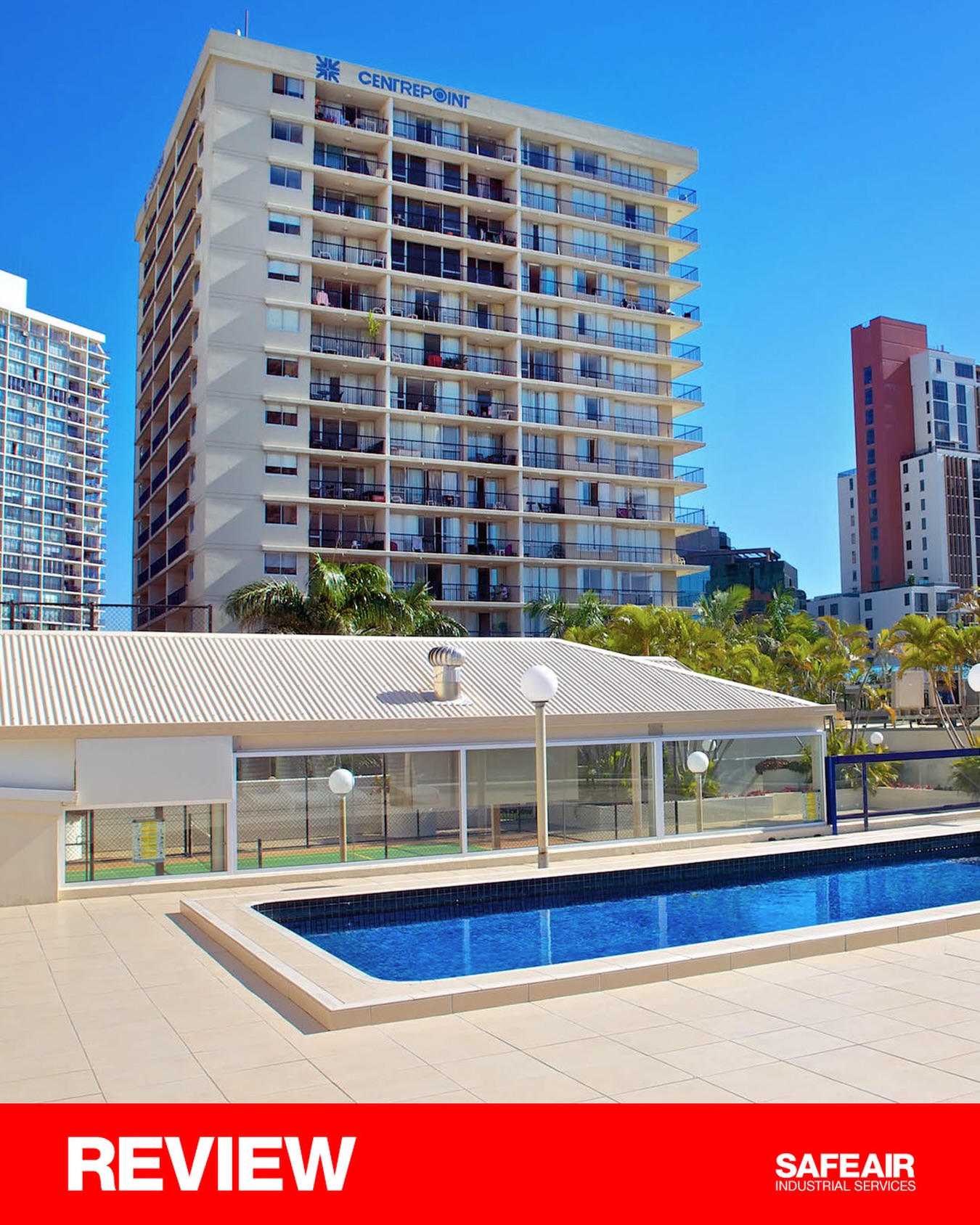
Click here to learn more about the deep-clean process, read reviews and feedback from our valued customers or follow @SafeAirAU on Instagram for the latest posts and updates.






Services >
Apartment, Resort & Hotel Exhaust Ventilation Duct System Cleaning
Fire, dirt and mould risks – gone. Is your apartment building or unit complex at risk? Are you meeting Australian Standards guidelines for 8-24 air-changes per hour? By deep cleaning your buildings exhaust ventilation system with SafeAir you will remove years of potentially harmful and hazardous build-up, increase airflow throughout toilet, bathroom, en suite and laundry areas, restore your roof exhaust fans as well as increase overall system efficiency.

Clean at Prescribed Intervals

Remove Potential Fire Risks

Removal Potential Health Risks

Meet Australian Ventilation Standards
Services >
Apartment, Resort & Hotel Exhaust Ventilation Duct System Cleaning
Fire, dirt and mould risks – gone. Is your apartment building or unit complex at risk? Are you meeting Australian Standards guidelines for 8-24 air-changes per hour? By deep cleaning your buildings exhaust ventilation system with SafeAir you will remove years of potentially harmful and hazardous build-up, increase airflow throughout toilet, bathroom, en suite and laundry areas, restore your roof exhaust fans as well as increase overall system efficiency.
Clean at Prescribed Intervals
Remove Potential Fire Risks
Removal Potential Health Risks
Meet Australian Ventilation Standards
Subscribe For News & Updates
Get the latest on Duct Cleaning, Special Promotions and SafeAir