

The NCC and Exhaust Ventilation Systems In Apartment Buildings: What Body Corporates Need To Know
The NCC and Exhaust Ventilation Systems In Apartment Buildings: What Body Corporates Need To Know
The NCC and Exhaust Ventilation Systems In Apartment Buildings: What Body Corporates Need To Know
When was your building’s exhaust ventilation system last deep-cleaned by a professional, and do you know how well it’s operating for your residents and guests?
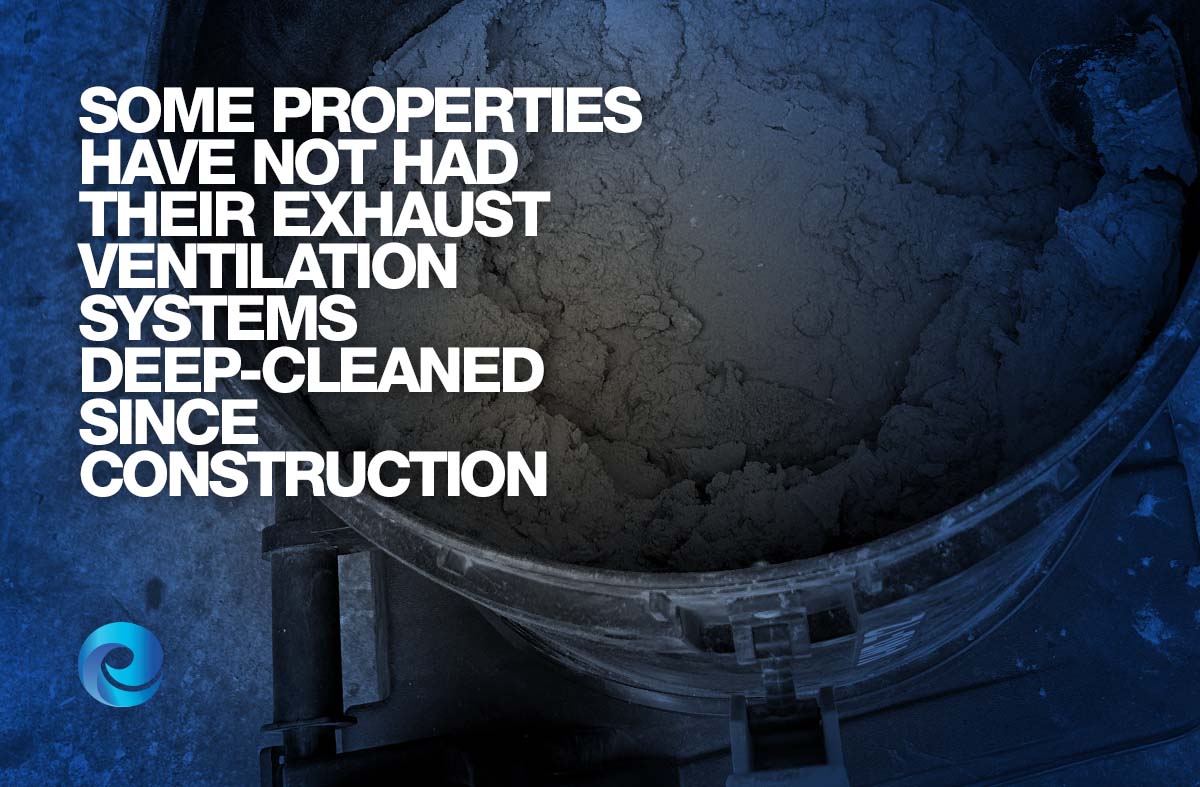
Bathroom, ensuite, toilet and laundry exhaust systems can be easy to overlook. Much of the equipment sits above ceilings, inside service shafts or on the roof. Yet these systems perform an everyday job: removing air moisture and odours from the spaces people use most.
For body corporate committees and building managers, understanding the National Construction Code helps explain why maintenance of the buildings ventilation system is imperative to your preventative maintenance plan.
What is the NCC, and who is behind it?
The National Construction Code (NCC) sets minimum technical requirements for Australian buildings. It is developed and maintained by the Australian Building Codes Board (ABCB), with legal effect given through state and territory building legislation.
The NCC is a code, rather than an organisation that inspects buildings. It provides the framework used by building practitioners and approval authorities. Australian Standards supply technical requirements where the applicable code or another legal instrument references them.
For apartment buildings, generally classified as Class 2, NCC Volume One contains the relevant ventilation and condensation-management provisions. The Building Code of Australia (BCA) forms part of the NCC.
Why is maintenance of the ventilation system recieving greater attention?
The ABCB explains that NCC 2022 strengthened condensation-management provisions already present in NCC 2019. A central concern is air moisture accumulation: well-sealed apartments and homes need adequate ventilation to manage air-moisture and condensation risks.
The changes increased the focus on exhausting air moisture, heat and odours outdoors, providing replacement air and ensuring certain bathroom and toilet exhaust systems operate for long enough. This reflects the role of ventilation in controlling moisture at its source.
What changed in 2024?
Standards Australia published AS 1668.2:2024, The use of ventilation and air conditioning in buildings – Part 2: Mechanical ventilation in buildings, is replacing the 2012 edition in its standards catalogue.
Its published overview identifies clearer prescriptive requirements.
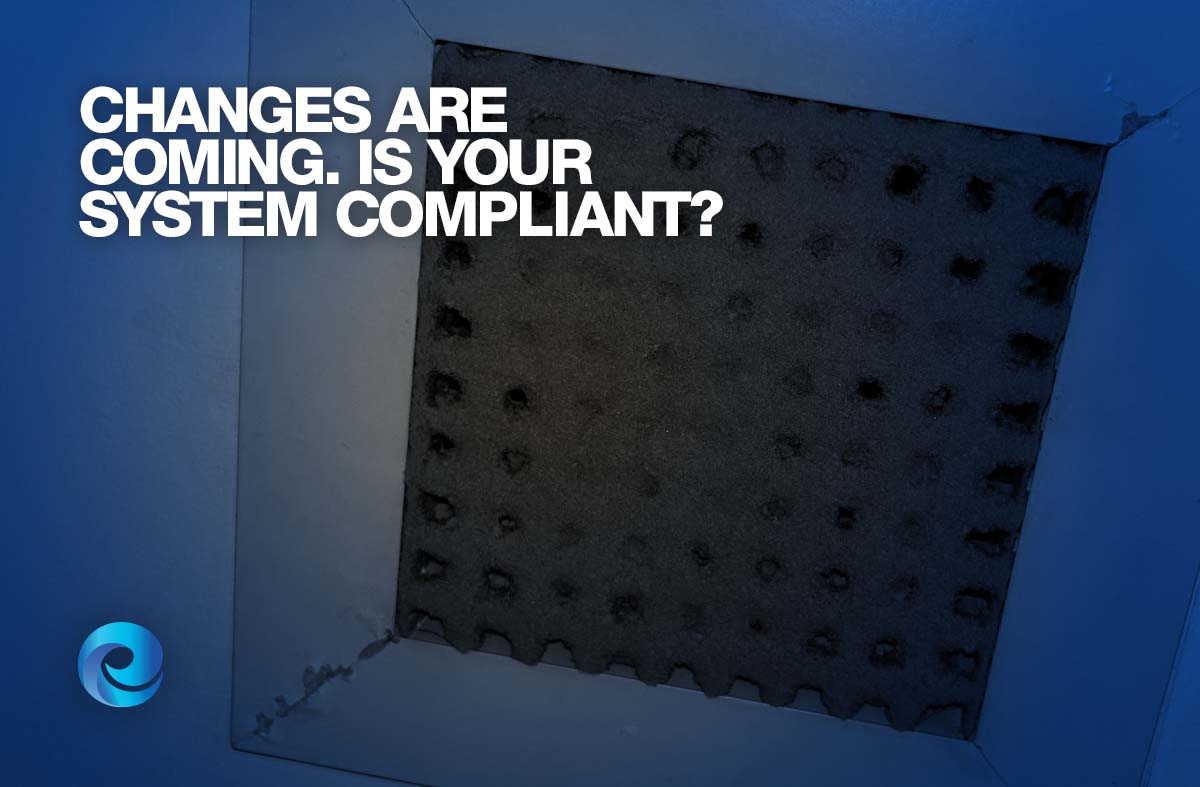
For Queensland readers: as at September 2026, NCC 2022 remains in effect, with NCC 2025 adoption delayed until 1 May 2027. A reference to a “2024 standard” should therefore not be taken to mean every existing Queensland apartment building acquired the same new obligations in 2024. However, changes are coming, get ready, and ensure your systems are deep-cleaned to an approved standard.
Why apartment wet areas matter
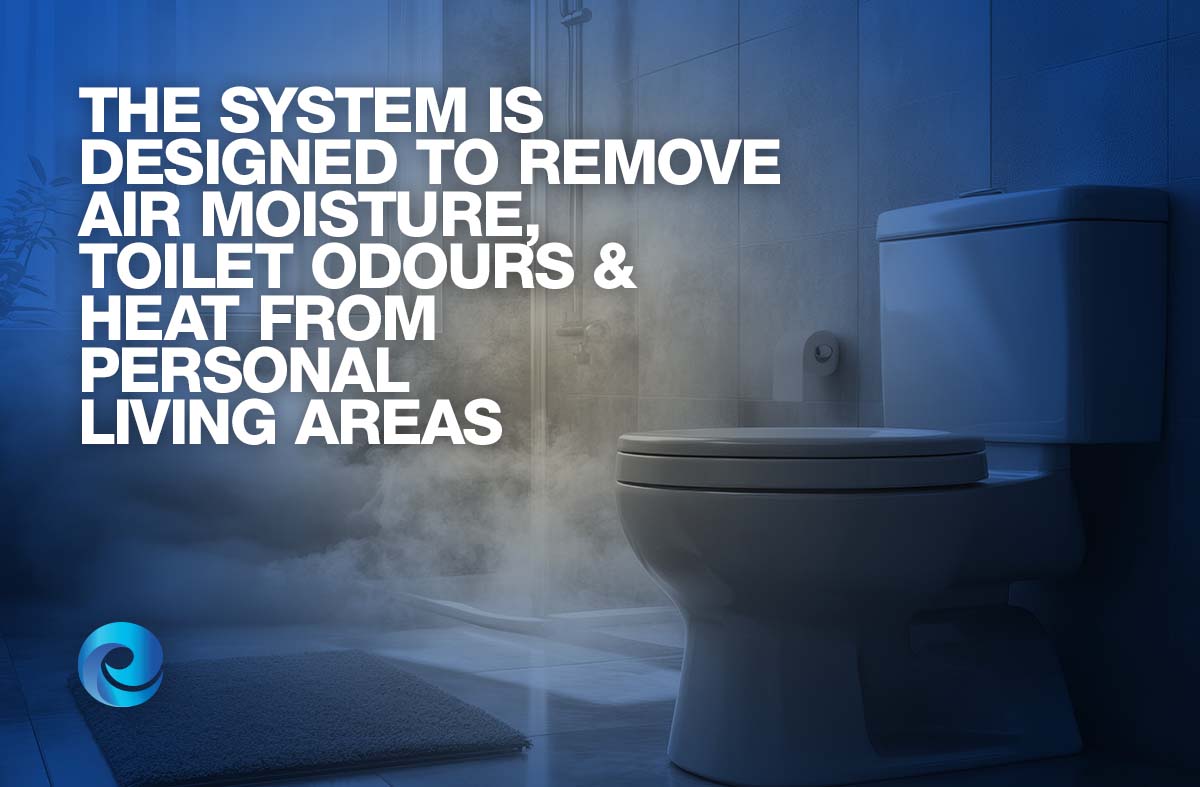
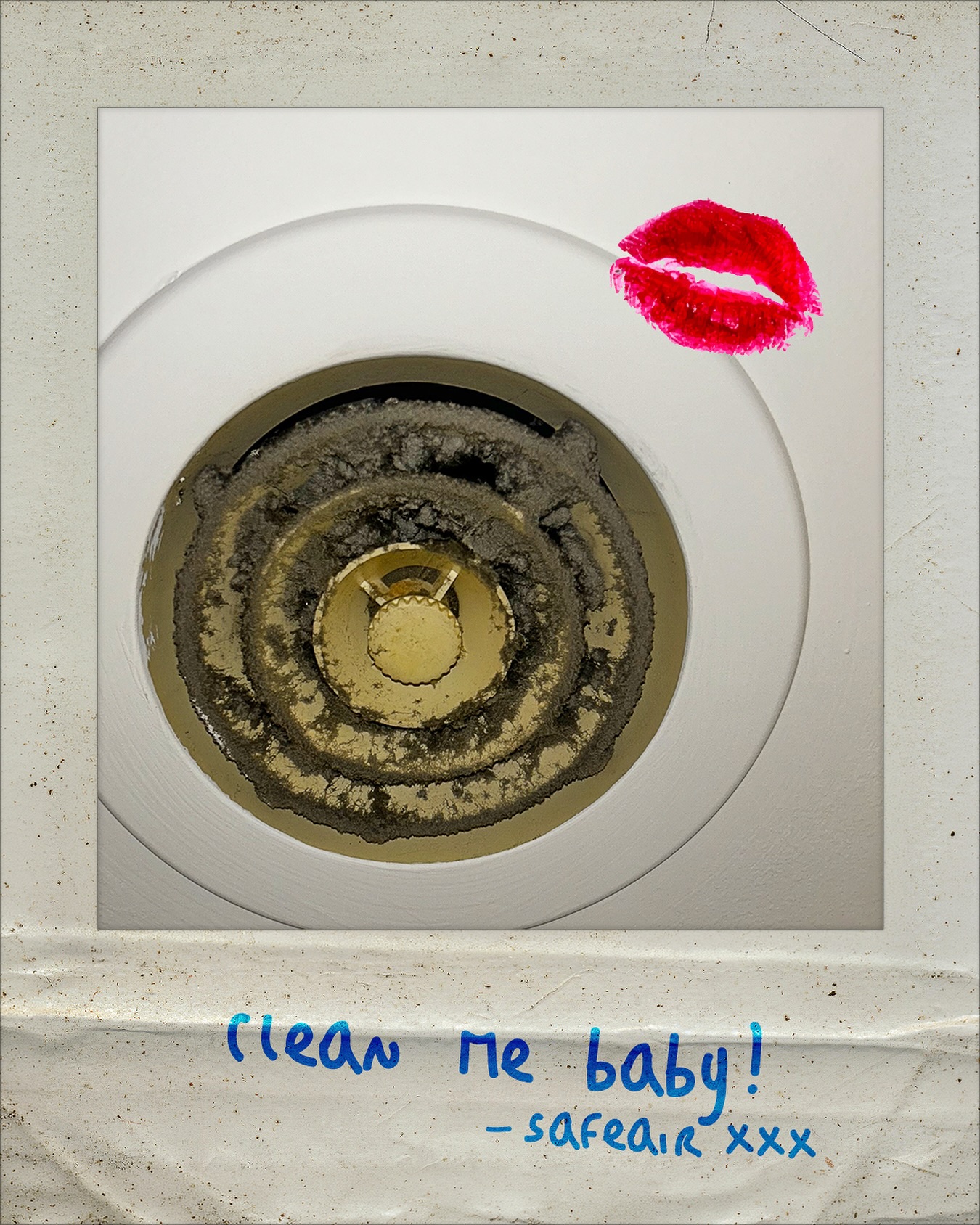
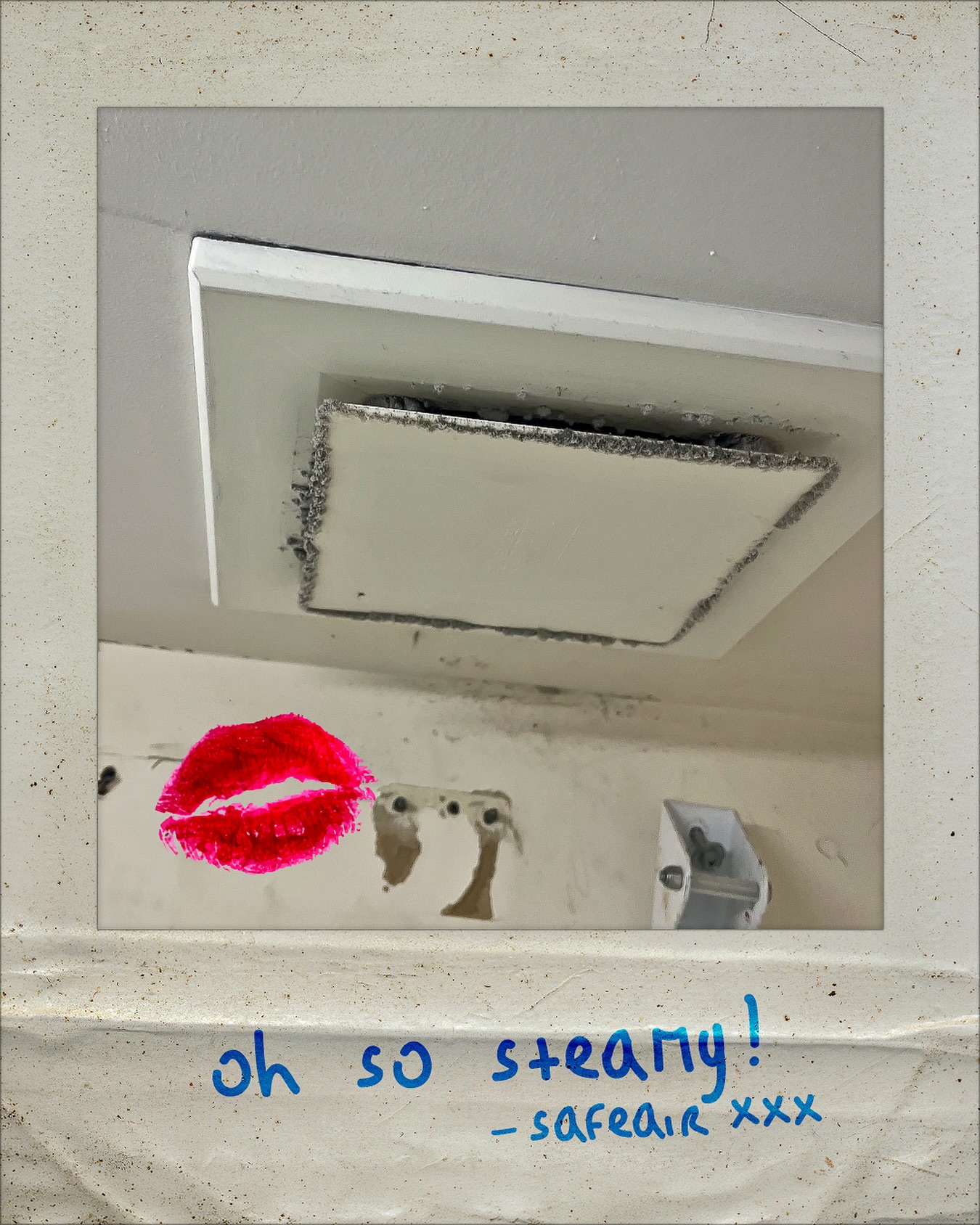
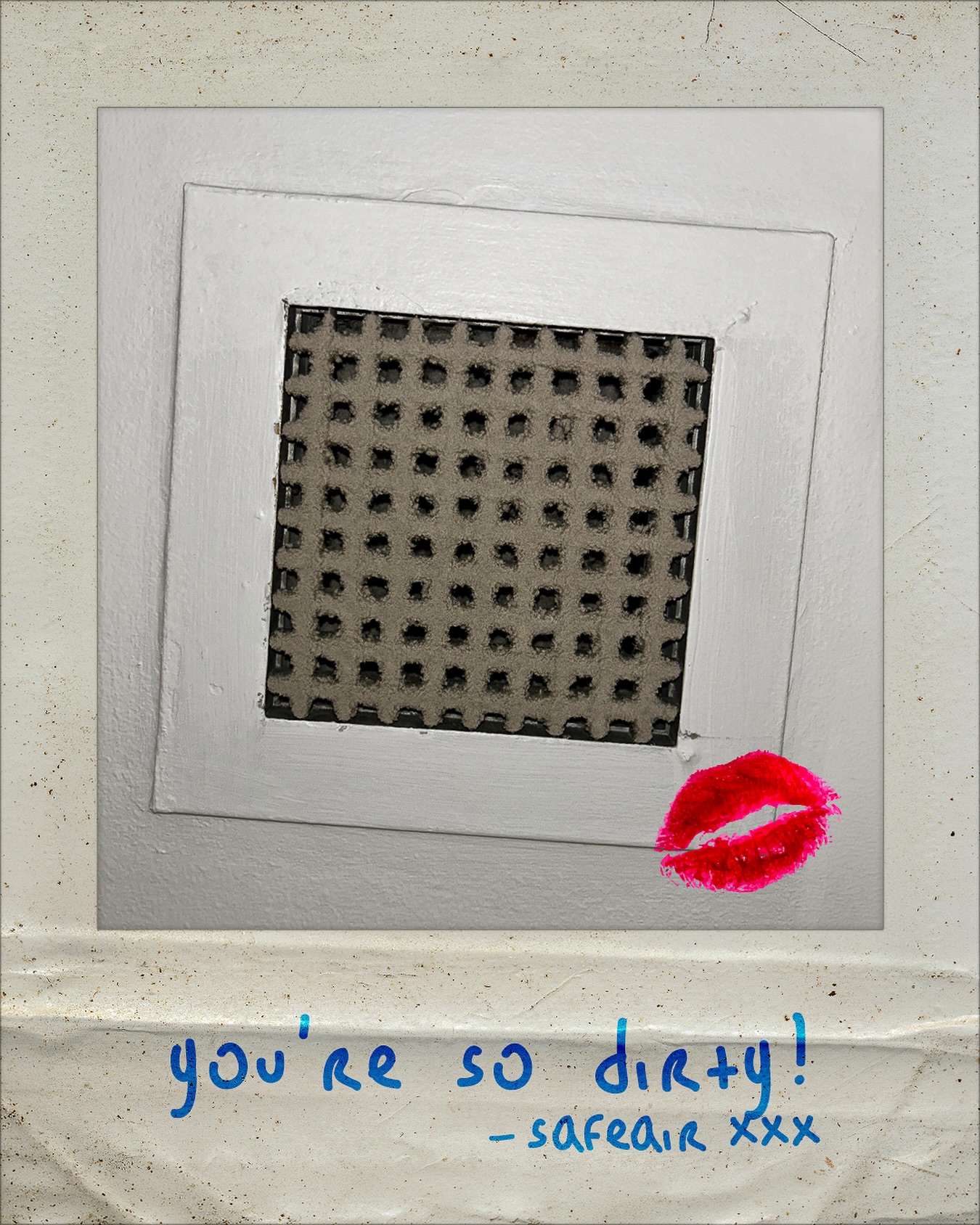
Apartment bathrooms, ensuites and laundries generate air moisture and heat through ordinary daily use. These personal spaces depend heavily on mechanical exhaust to remove air from the area and replace with fresh air. If the system is unclean with build-up present, its effectiveness is limited.
The NCC’s condensation provisions address practical features of this process: where exhaust air goes, how replacement air enters, and how relevant systems are controlled.
For maintenance planning, the useful question is: is the installed system still delivering its intended ventilation performance?
What does this mean for apartment buildings?
Maintenance duties matter. Queensland Government guidance states that bodies corporate must maintain common property in good and structurally sound condition. Maintenance can include preventive work (such as deep-cleaning the system to remove build-up, or ‘risk’), and failure to maintain common property that causes damage to a lot can lead to liability.
Shared exhaust infrastructure may fall within the body corporate’s responsibilities. Equipment believed to be serving only one lot is not automatically the owner’s responsibility simply because it is accessed from that apartment.
Ensure maintenance of the buildings exhaust ventilation system is on the next committee agenda
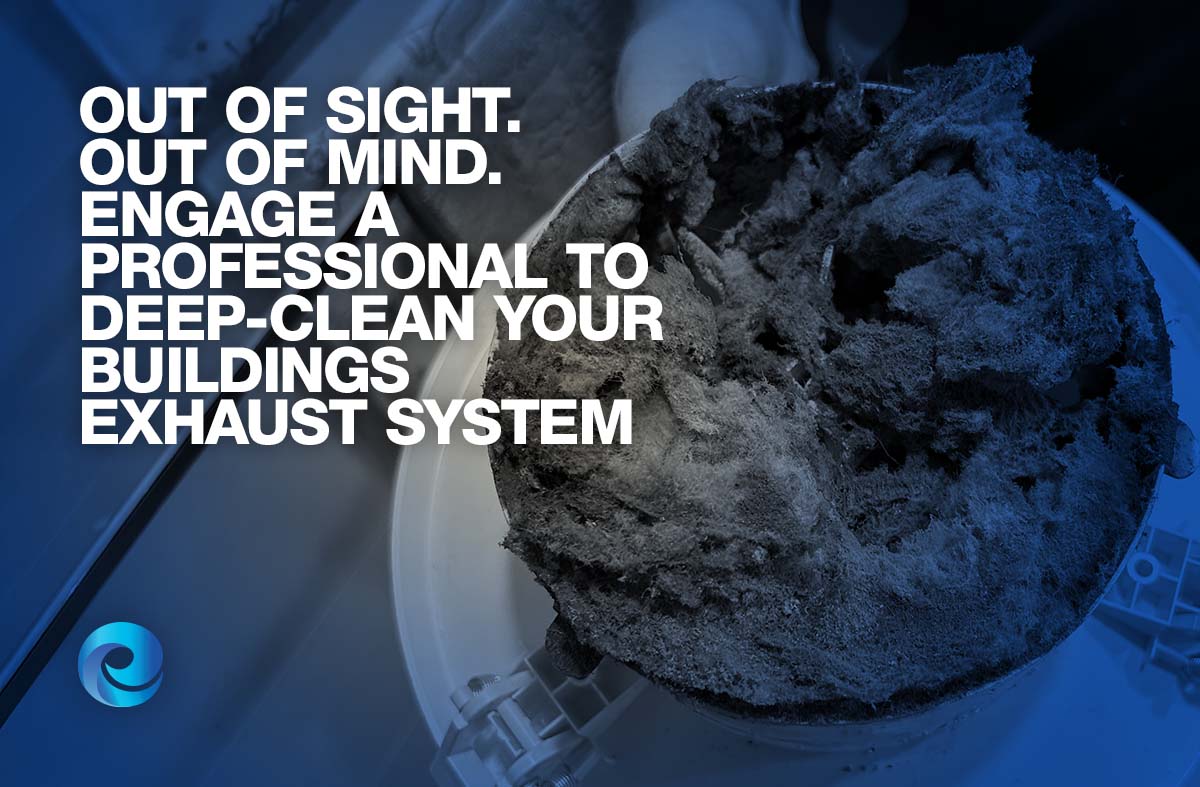
A useful starting point is to ask when the system was last deep-cleaned by a professional contractor, what was found, and whether any defects remain unresolved.
If that information is missing, it’s time to establish a service history. Planned maintenance gives committees and building managers a clearer basis for decisions about cleaning, repairs, replacement system fittings and future expenditure.
SafeAir provides exhaust ventilation cleaning services to over 300+ apartment buildings, unit complexes and managed properties throughout the Gold Coast, Brisbane and Sunshine Coast.
Let SafeAir Help
Talk with a SafeAir Projects Team member today and arrange a free site survey and quotation for deep-cleaning your buildings exhaust ventilation systems.
Click here to learn more about the deep-clean process, read reviews and feedback from our valued customers or read more industry related news from the SafeAir team.






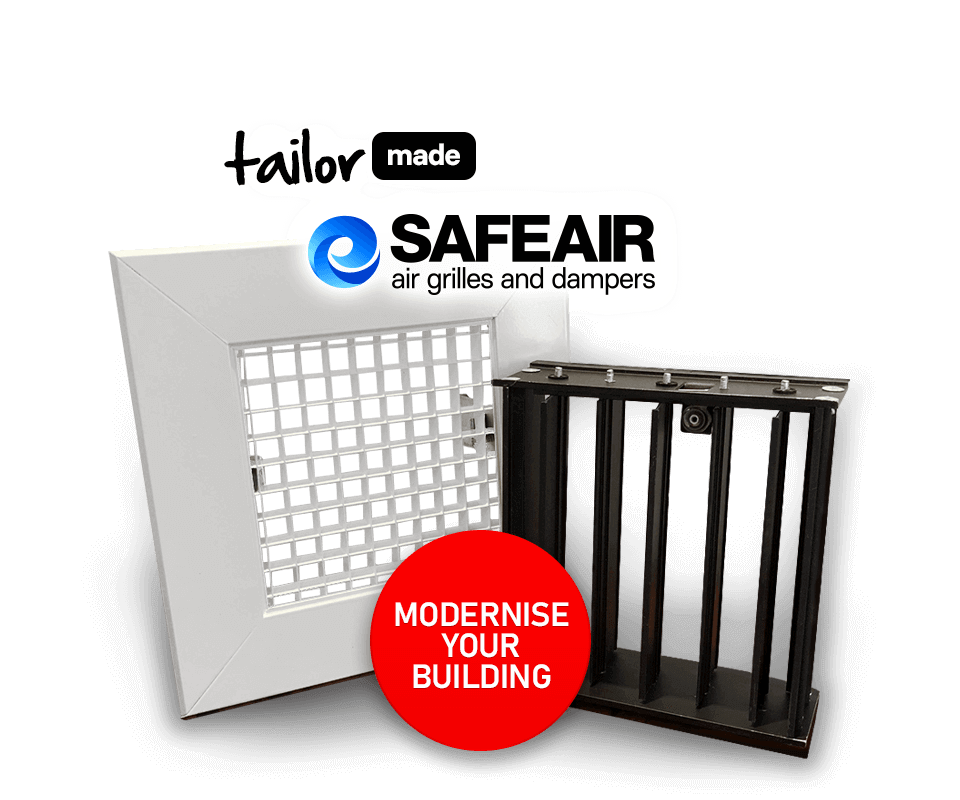
Modernise Your Apartments
Add value to your apartment building and meet Australian Standards recommended guidelines for 8-24 air-changes per hour.
Services >
Apartment, Resort & Hotel Exhaust Ventilation Duct System Cleaning
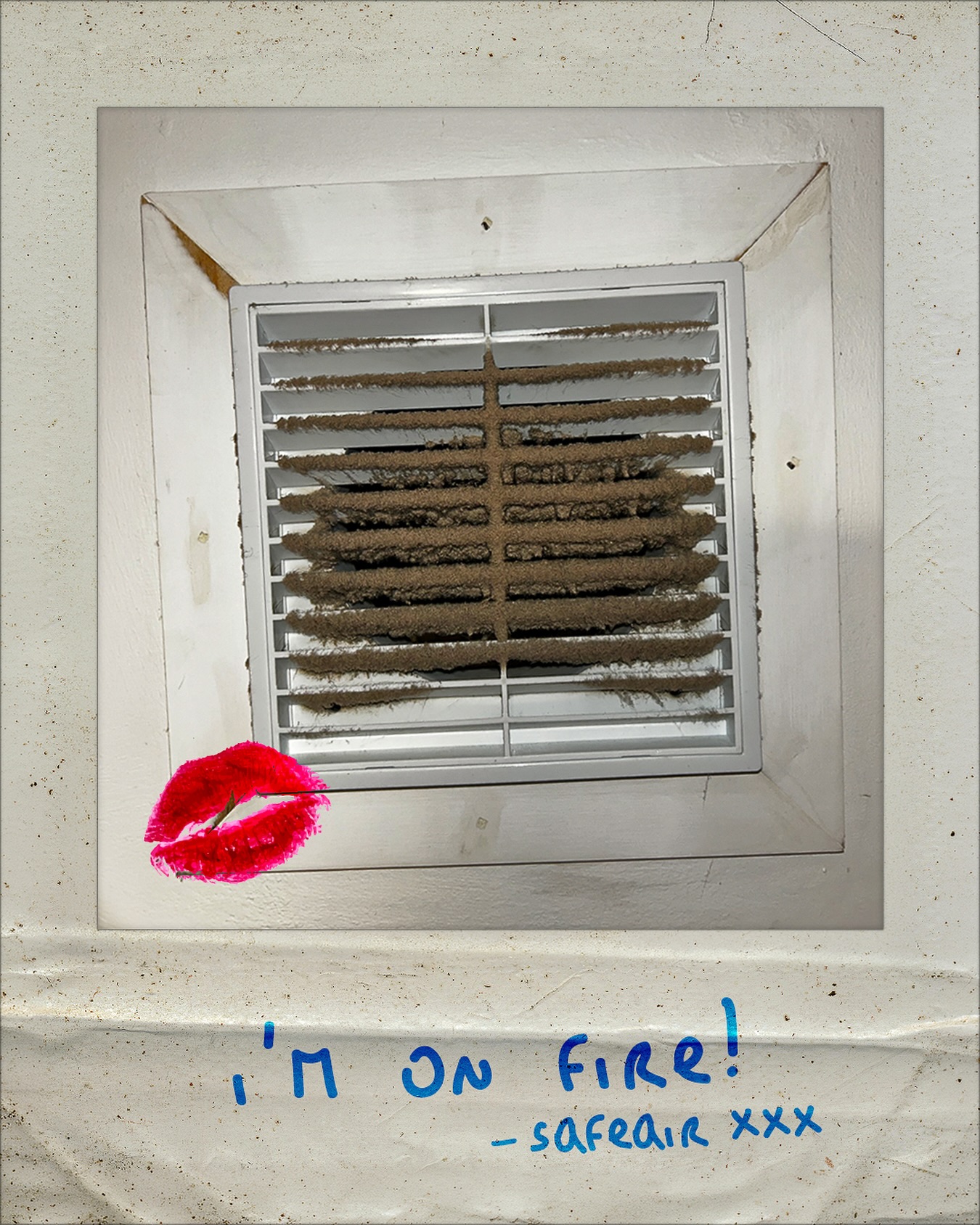
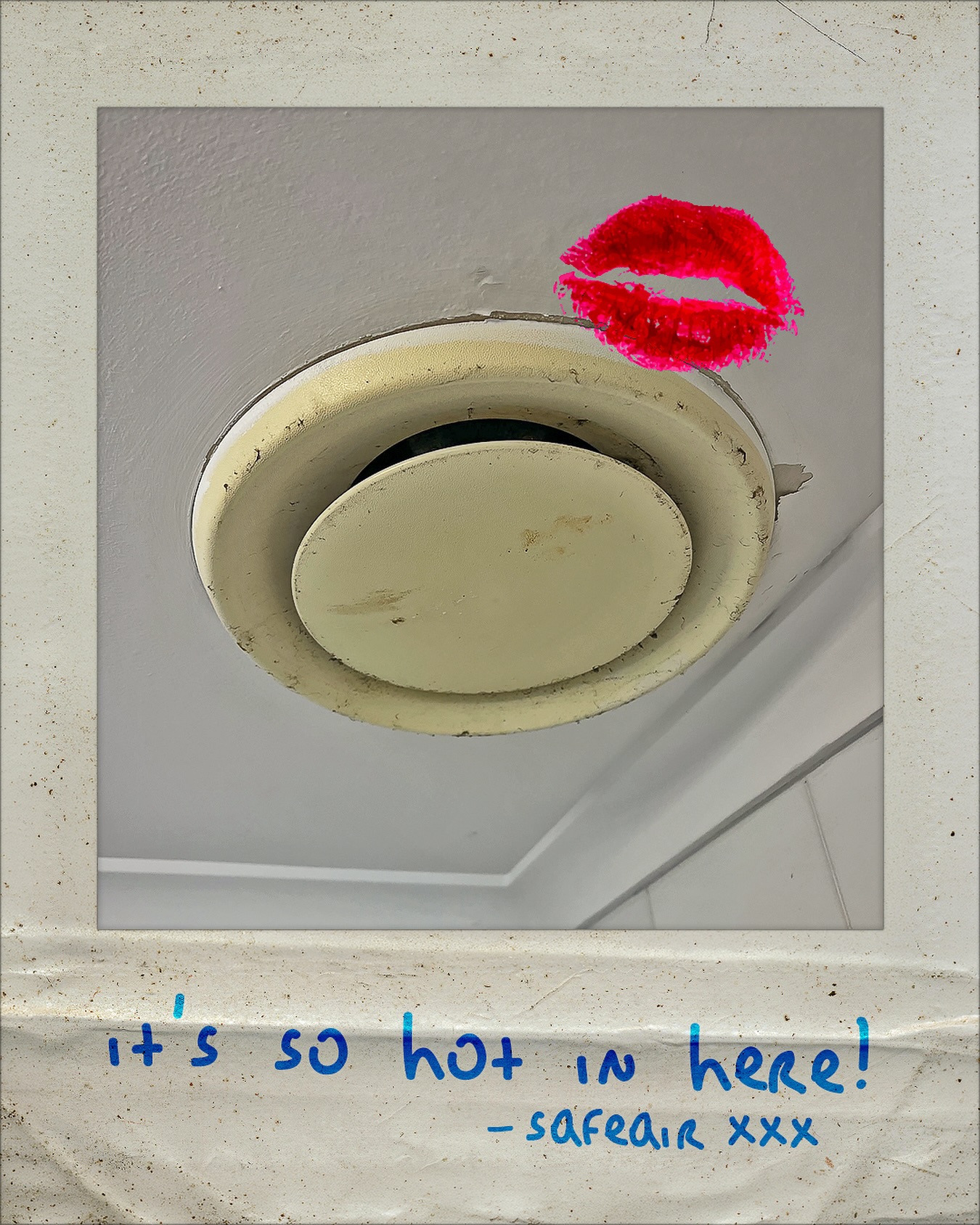
Fire, dirt and mould risks – gone. Is your apartment building or unit complex at risk? Are you meeting Australian Standards guidelines for 8-24 air-changes per hour? By deep cleaning your buildings exhaust ventilation system with SafeAir you will remove years of potentially harmful and hazardous build-up, increase airflow throughout toilet, bathroom, en suite and laundry areas, restore your roof exhaust fans as well as increase overall system efficiency.

Clean at Prescribed Intervals

Remove Potential Fire Risks

Removal Potential Health Risks

Meet Australian Ventilation Standards
Services >
Apartment, Resort & Hotel Exhaust Ventilation Duct System Cleaning
Fire, dirt and mould risks – gone. Is your apartment building or unit complex at risk? Are you meeting Australian Standards guidelines for 8-24 air-changes per hour? By deep cleaning your buildings exhaust ventilation system with SafeAir you will remove years of potentially harmful and hazardous build-up, increase airflow throughout toilet, bathroom, en suite and laundry areas, restore your roof exhaust fans as well as increase overall system efficiency.
Clean at Prescribed Intervals
Remove Potential Fire Risks
Removal Potential Health Risks
Meet Australian Ventilation Standards
Subscribe For News & Updates
Get the latest on Duct Cleaning, Special Promotions and SafeAir