

The NCC – Part 2: A Deeper Dive On What’s Changing For Exhaust Ventilation Systems In Apartment Buildings
The NCC – Part 2: A Deeper Dive On What’s Changing For Exhaust Ventilation Systems In Apartment Buildings
The NCC – Part 2: A Deeper Dive On What’s Changing For Exhaust Ventilation Systems In Apartment Buildings
INDOOR RAIN: The Hidden Condensation Threat Inside Apartment Buildings And How The NCC Will Implement Changes In 2027.
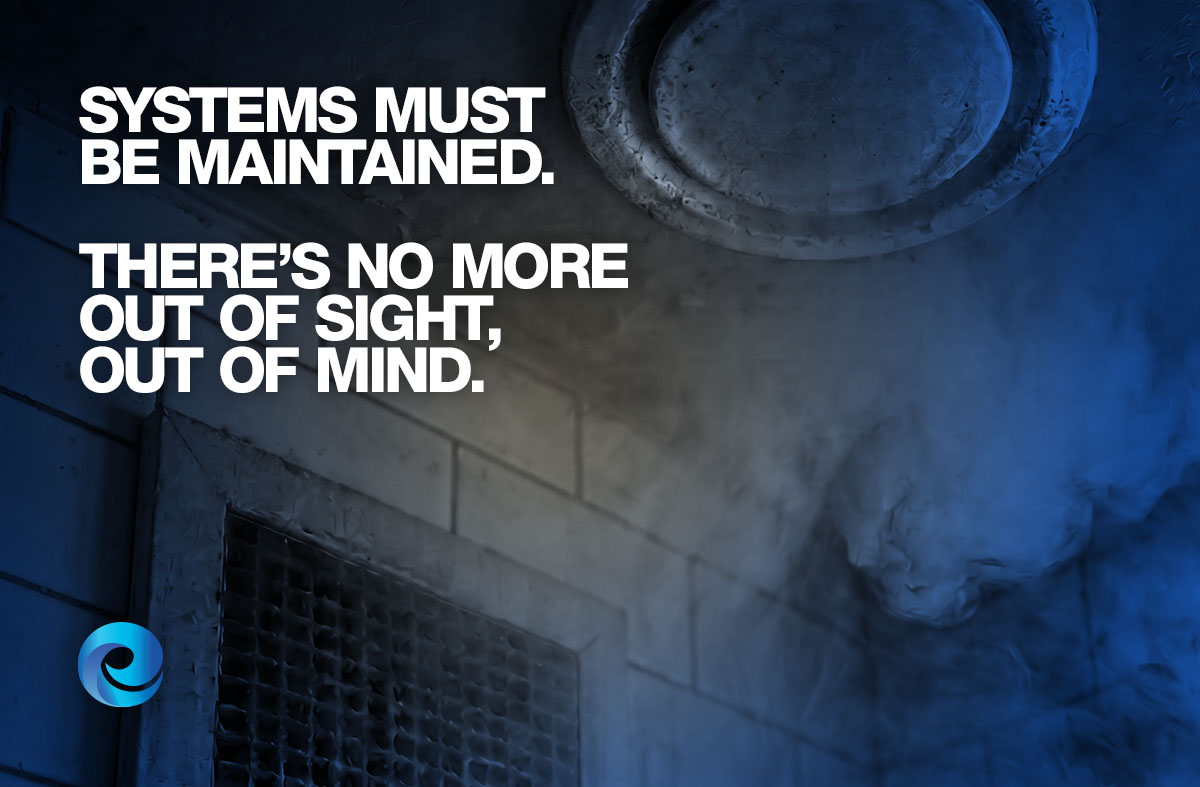
The implementation of incoming changes from the National Construction Code changes should serve as a wake-up call for bodies corporate, building managers and strata service providers.
Could your apartment building be suffering from condensation rot without anyone knowing?
Across the Gold Coast, Brisbane and Sunshine Coast, thousands of apartment buildings rely on mechanical exhaust systems to remove warm, moisture-laden air from bathrooms, ensuites, toilets and laundry areas.
But what happens when that air isn’t properly exhausted via the buildings ventilation system?
Behind ceilings and inside concealed cavities, blocked exhaust outlets and poorly maintained ventilation ductwork can allow air moisture to accumulate.
The consequences can include poor airflow, condensation, hidden microbial growth, corrosion, deterioration of building materials and potentially costly structural damage.
This phenomenon is sometimes described as “indoor rain” – air moisture accumulating within ductwork, on surfaces and, under the right conditions, condensing into water droplets within the building.
The resulting deterioration is often referred to as “condensation rot”.
For body corporate committees and strata professionals responsible for ageing high-rise buildings, these risks deserve attention, particularly as Queensland prepares to adopt the National Construction Code (NCC) 2025.
Climate Zone 2: Why South East Queensland Buildings Are Vulnerable
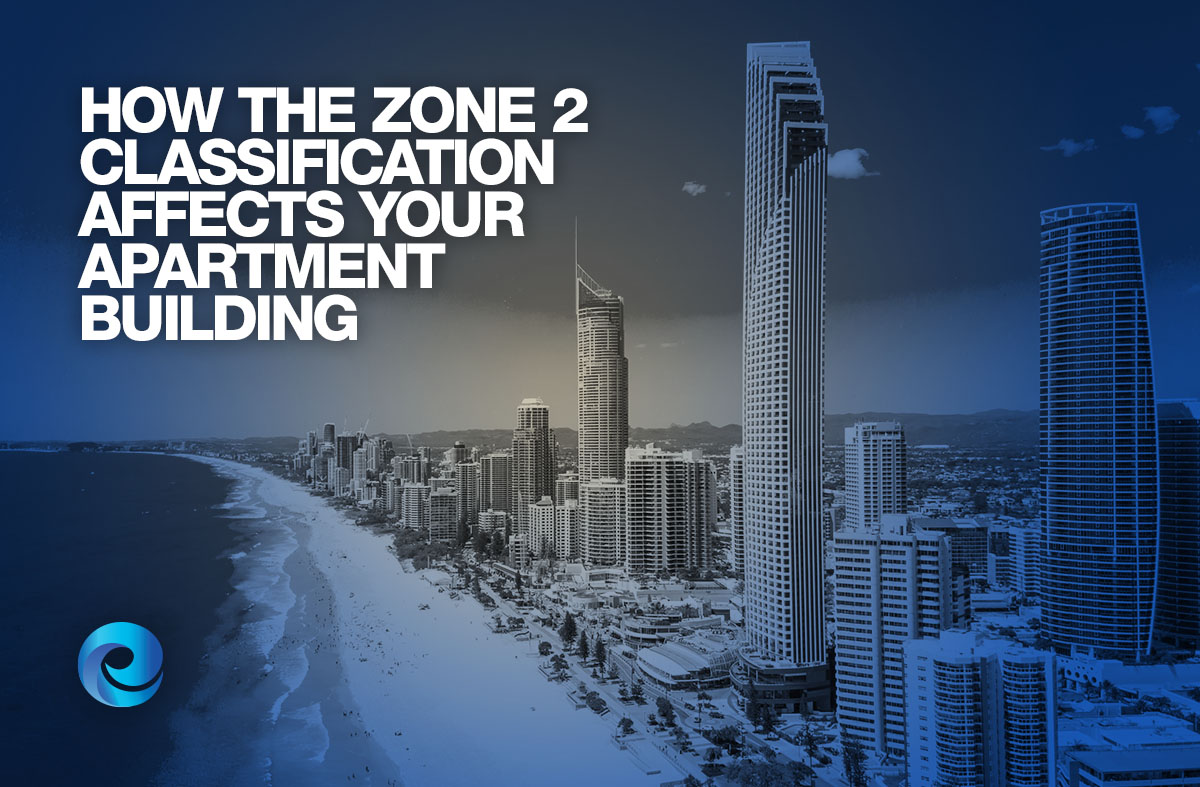
The Gold Coast, Brisbane and Sunshine Coast are classified as Climate Zone 2 under the National Construction Code.
Characterised by warm conditions and humid summers, this climate presents particular air-moisture-management challenges for multi-storey apartment buildings.
Every hot shower or hot summer day can create water vapour. Bathrooms, ensuites and laundries depend on effective ventilation to remove air-moisture (and odours) before it can accumulate.
In high-rise apartment buildings, mechanical exhaust systems commonly connect apartments to vertical ducting, known as central exhaust risers.
When correctly designed, balanced and maintained, these systems extract moist air and discharge it to atmosphere.
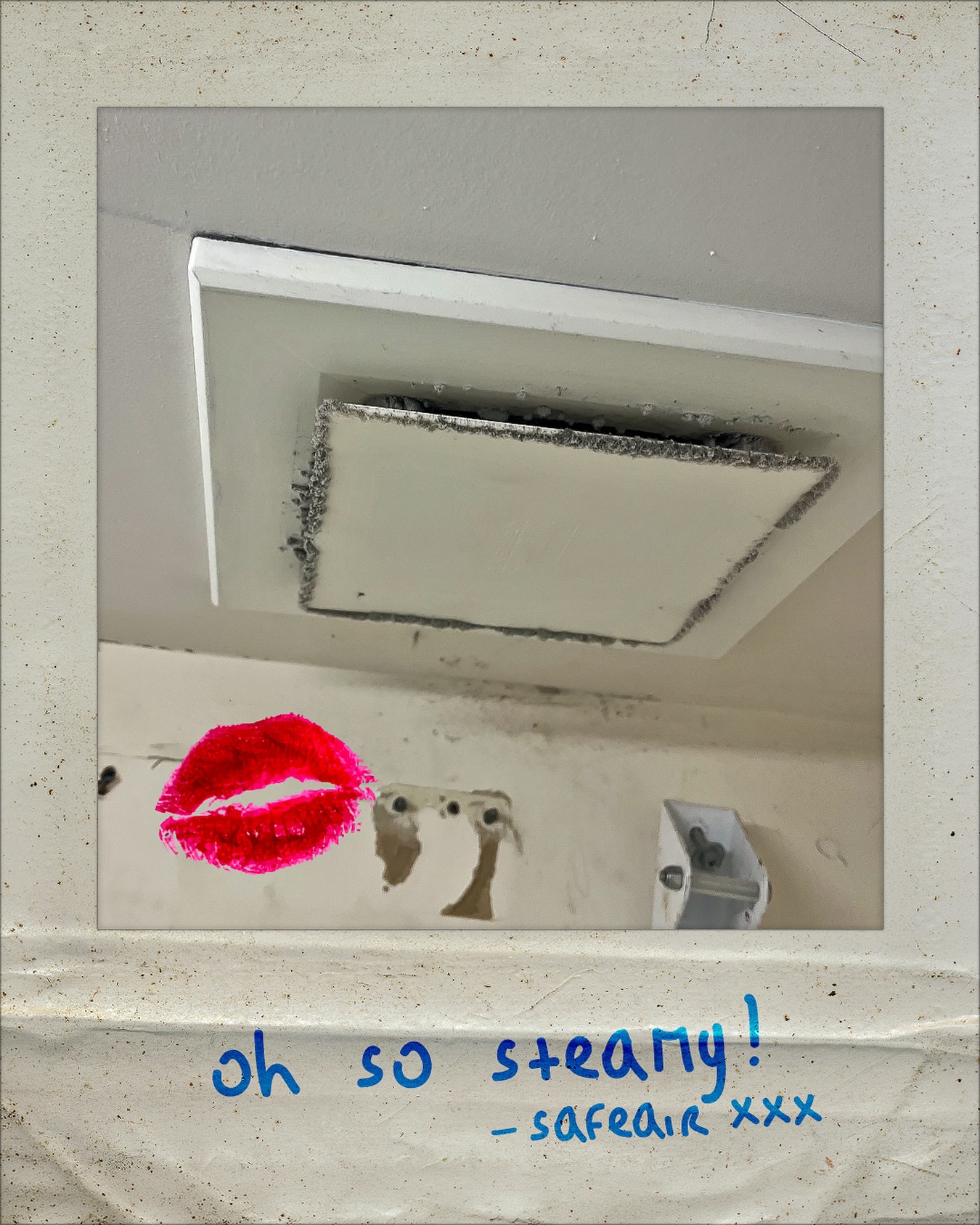
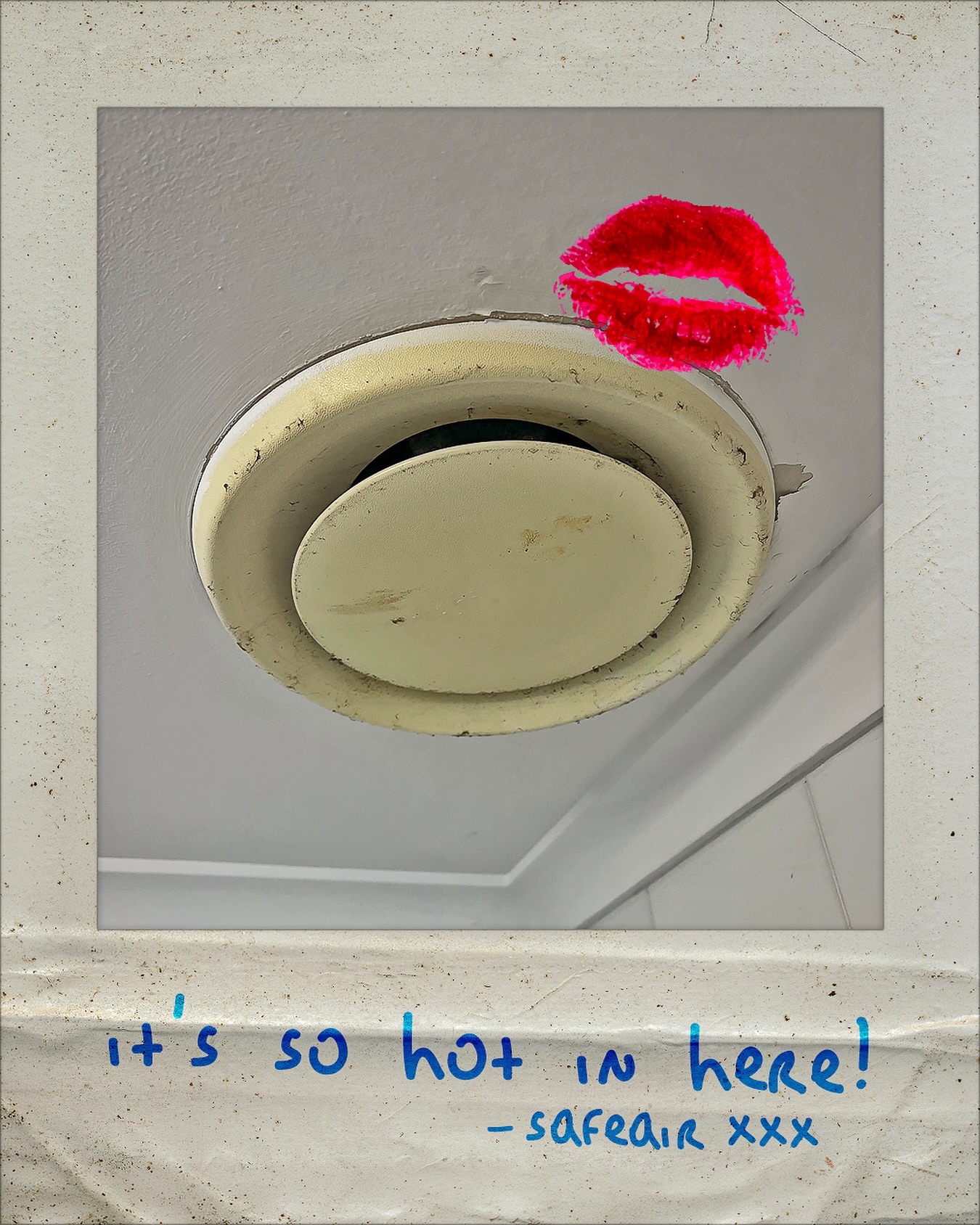
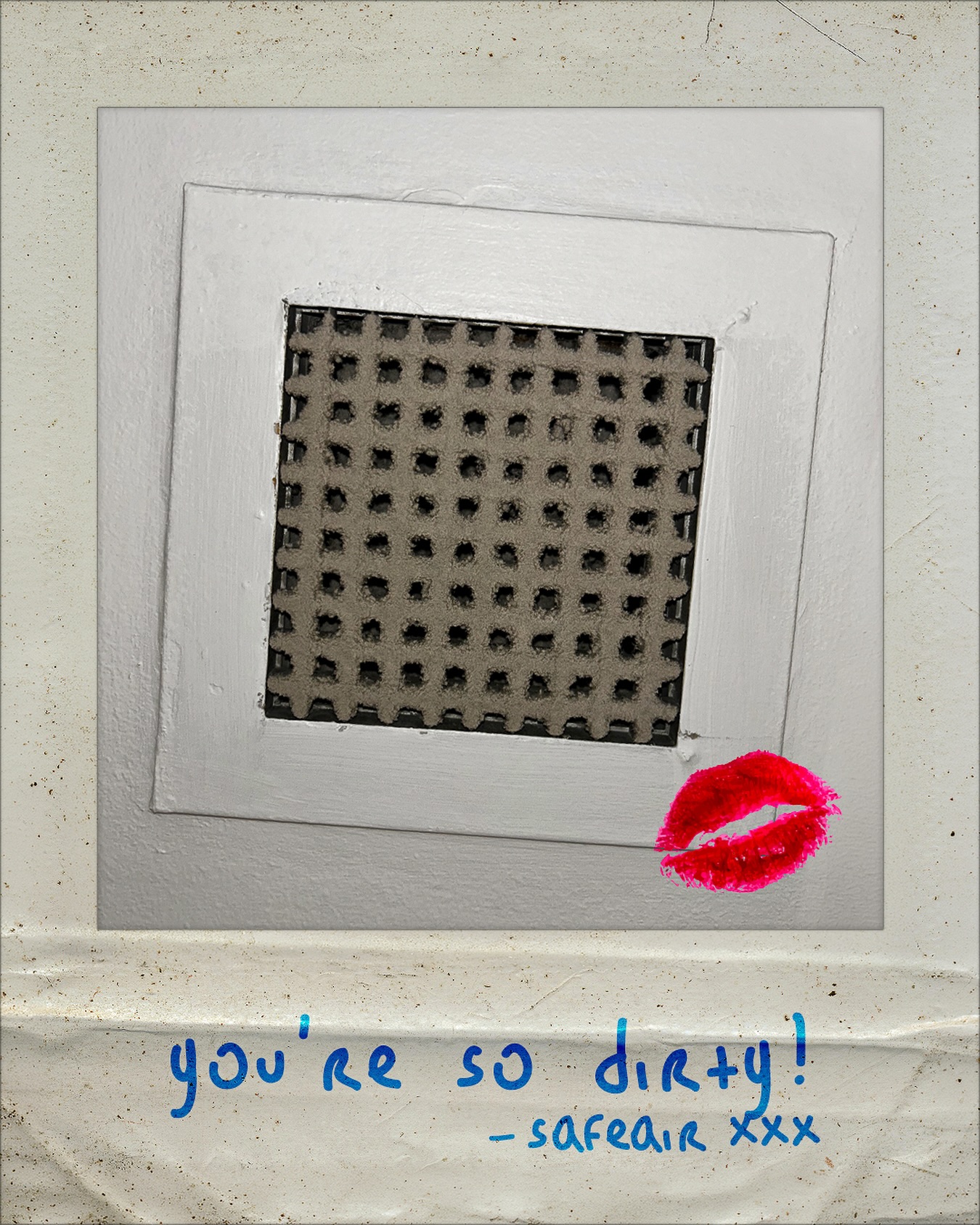
However, when exhaust outlets and associated ductwork become blocked with build-up, and airflow is inadequate, air-moisture can remain trapped within these personal spaces and work its way into building cavities and onto surrounding surfaces.
Where humid air comes into contact with sufficiently cool surfaces, condensation can develop.
Over time, repeated moisture accumulation can contribute to:
• Corrosion of metal ducting, fittings and structural components.
• Deterioration of moisture-sensitive materials.
• Damp or degraded insulation.
• Microbial growth .
• Staining and deterioration of walls and ceilings.
• Costly repairs and potential disputes over responsibility.
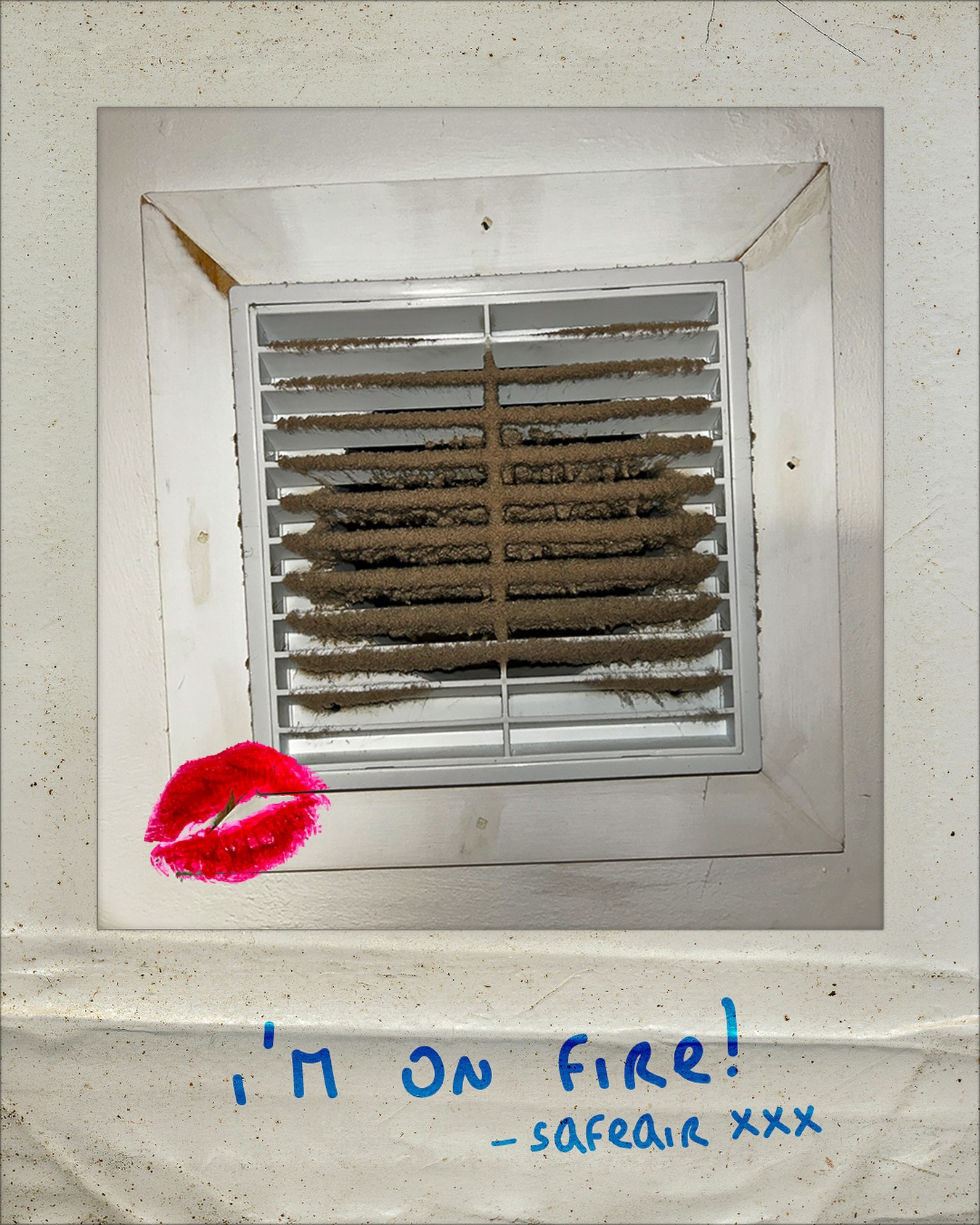
The greatest concern is that significant deterioration can occur out of sight, long before visible warning signs appear inside an apartment.
For High-rise Apartment Buildings, NCC Volume One is Particularly Relevant.
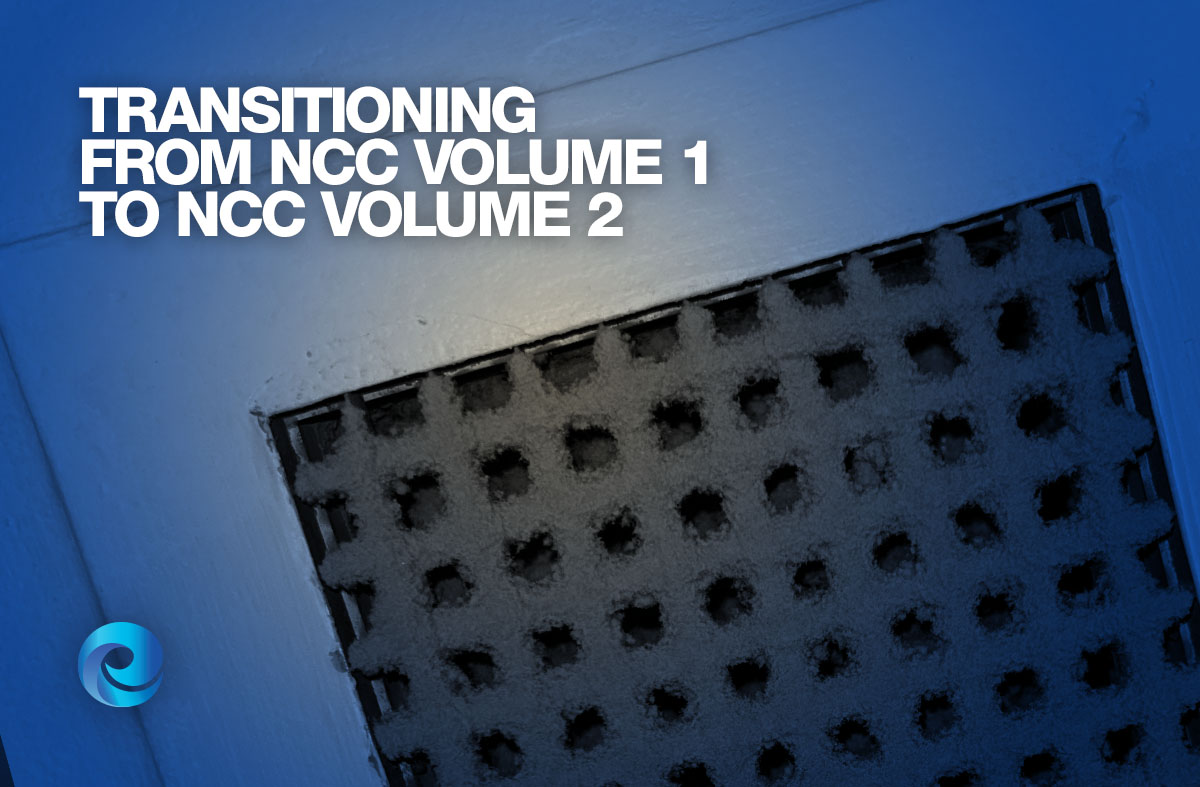
Although the Australian Building Codes Board publishes the NCC, individual states and territories determine when and how it takes legal effect.
NCC 2025 was published on 1 May 2026. Queensland has delayed its mandatory commencement until 1 May 2027, with NCC 2022 continuing to apply in the interim, subject to applicable transitional arrangements.
The updated framework places continued emphasis on effective air-moisture management, ventilation performance and appropriate exhaust discharge.
The revised AS 1668.2:2024 – Mechanical Ventilation in Buildings, referenced by NCC 2025, also introduces more clearly quantified ventilation requirements and updated provisions for exhaust discharge arrangements.
These changes are particularly relevant when planning new ventilation installations, major alterations and applicable rectification work.
Importantly, not every existing building will be required to upgrade simply because a new edition of the NCC comes into effect.
However, existing maintenance obligations do not disappear.
When Air Moisture Becomes “Indoor Rain”.
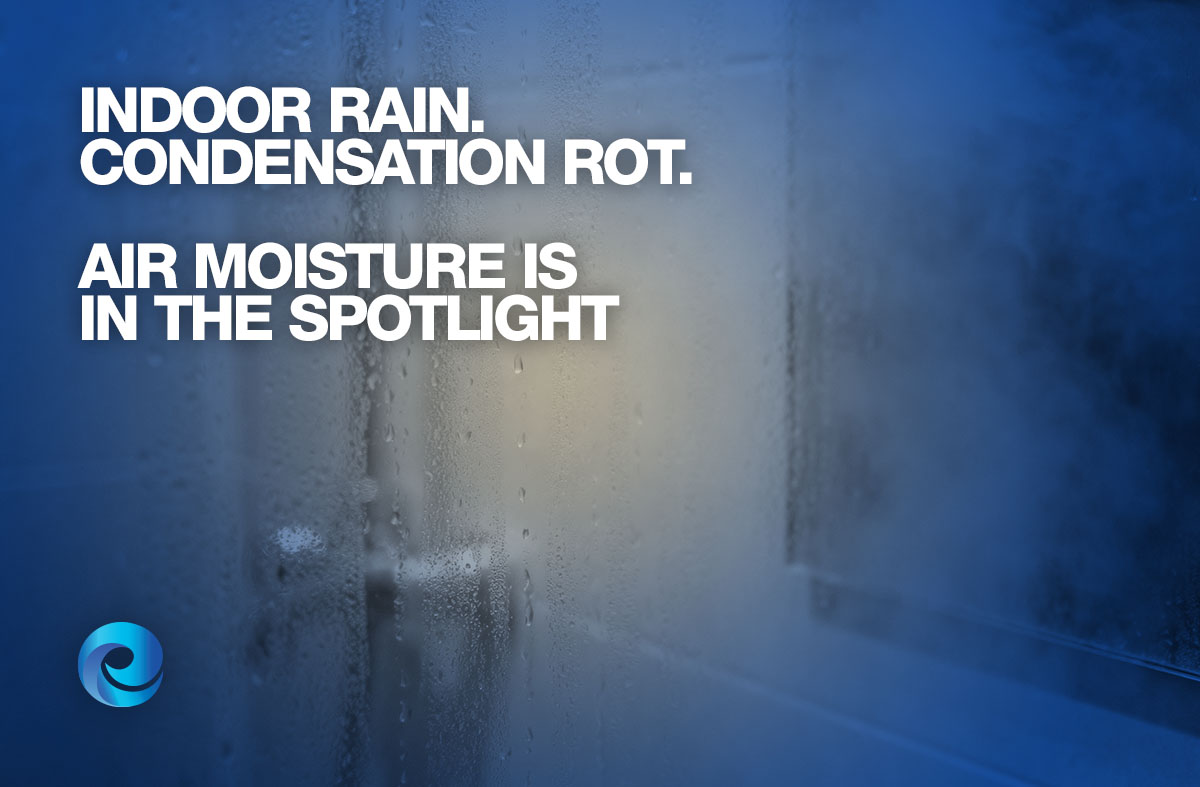
Imagine a bathroom in which hot showers, or no windows and hot Summer days, combined with a poorly maintained system compromised due to build-up can trap large volumes of warm, wet and humid air.
Instead of being removed through a functioning exhaust system, air moisture (and odour) builds within the space, or forces itself into holes, cracks or gaps surrounding fittings and internal ductwork.
Depending on temperature, humidity, airflow and surface conditions, air-moisture (and dust, dirt, and other matter) can condense and dry within ducting, and cooler materials within the system.
Repeated exposure may result in water droplets, damp insulation, corrosion, staining and microbial growth.
This is the concern behind the expression indoor rain.
Unlike a leaking roof or burst water pipe, the moisture source may be concealed within the building’s own ventilation system.
The damage can develop over time, making maintenance of the system particularly important.
Regular maintenance and inspection are therefore not simply matters of cleanliness or occupant comfort. They form part of protecting the building’s ventilation systems, condition and long-term asset value.
Who Is Responsible for Maintenance of an Exhaust System Ventilation Ducting in a Strata Managed Building?
In Queensland, the Body Corporate and Community Management Act 1997 and applicable regulation modules establish important obligations concerning common property and utility infrastructure. (BCCM, Edition 40 Common Ground, page 12.)
In many high-rise buildings, shared mechanical exhaust equipment, central risers and associated infrastructure will fall within body corporate maintenance responsibilities.
Where an exhaust system or duct forms part of common property infrastructure, the body corporate generally has a duty to maintain it in good condition.
Failures, poor or no maintenance involving shared infrastructure should not simply be dismissed as individual apartment maintenance issue or responsibility.
Does NCC 2025 Mean Every Older Building Must Upgrade?
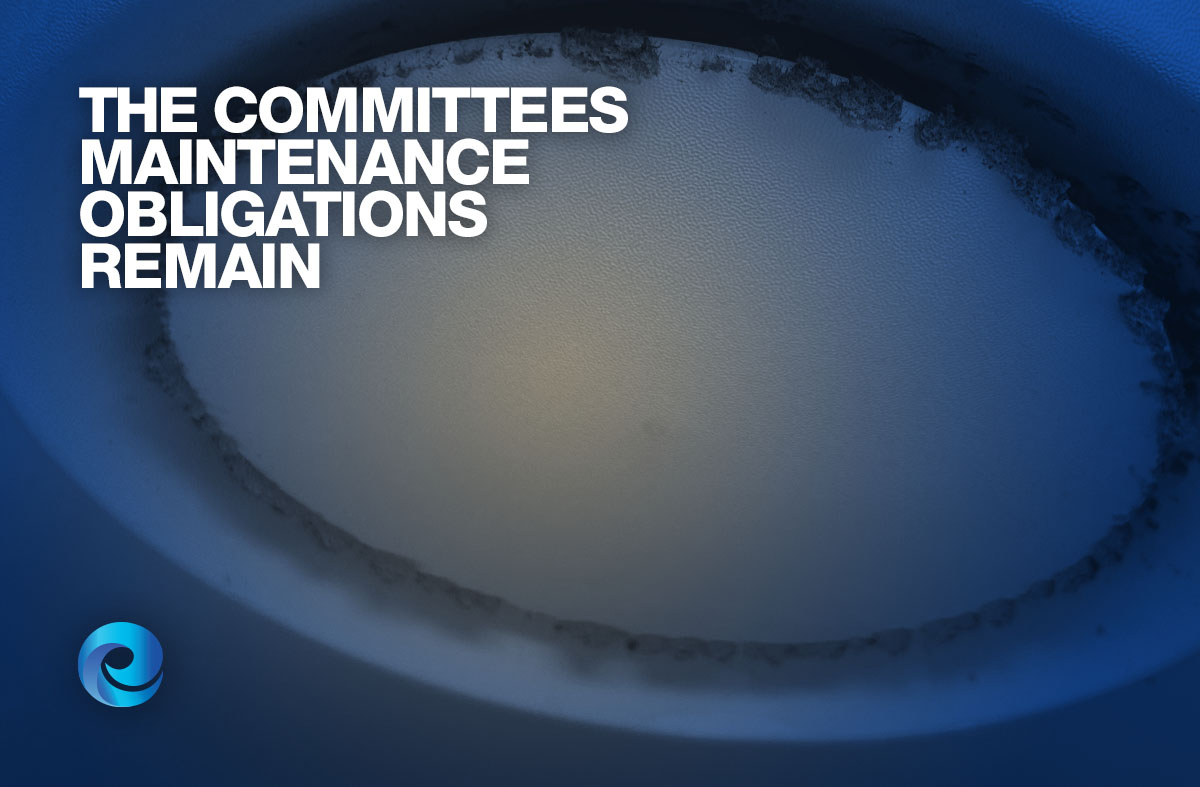
No. The adoption of NCC 2025 does not automatically require every existing apartment building to replace its ventilation system.
Building codes are generally applied to new building work and relevant alterations, rather than retrospectively imposing every new design requirement on existing buildings.
However, there is an important distinction between an older system that was lawfully installed and an existing system that has become defective.
A blocked system, failing system fittings, a failed exhaust fan or inadequate air extraction requires attention under existing maintenance responsibilities, irrespective of the latest NCC edition.
Where significant alterations or upgrades are proposed, the applicable code, standards, approval requirements and transitional provisions should be assessed by appropriately qualified professionals.
The upcoming implementation date provides an opportunity for bodies corporate to review the condition, performance and maintainability of their systems before problems escalate.
Looking Ahead to the Future & 5 Steps The Body Corporate Can Take Now

As Queensland approaches the 1 May 2027 adoption of NCC 2025, mechanical ventilation deserves increased attention from the strata industry.
For apartment buildings across the Gold Coast, Brisbane and Sunshine Coast, the combination of humid climatic conditions, ageing exhaust infrastructure and worn or broken exhaust fittings create genuine maintenance challenges.
Indoor rain and condensation rot are not simply theoretical concerns. They highlight what can happen when moisture is not effectively controlled and ventilation defects remain undetected.
The objective is not to create unnecessary concern or impose upgrades where they are not required.
It is to encourage informed, proactive building maintenance.
Preventing issues from occurring and meeting your obligations is far better than discovering it after costly deterioration has occurred.
Five Steps The Body Corporate & Strata Management Services Can Take Now:
1. If the System Has Never Been Cleaned, Complete An Initial Deep-Clean of The Buildings Exhaust Ventilation System
Completing a comprehensive deep-clean will remove years of build-up from within your buildings exhaust ventilation system.
2. Ascertain if Roof Exhaust Fans Are Operational and Remedy Any Issues
Inspect mechanical roof-mounted exhaust fans to ensure they are operational and performing. Engage your electrical contractor if there is an issue present.
3. Review Cleaning and Maintenance Programs
Years of accumulated dust and debris can restrict airflow and compromise exhaust performance.
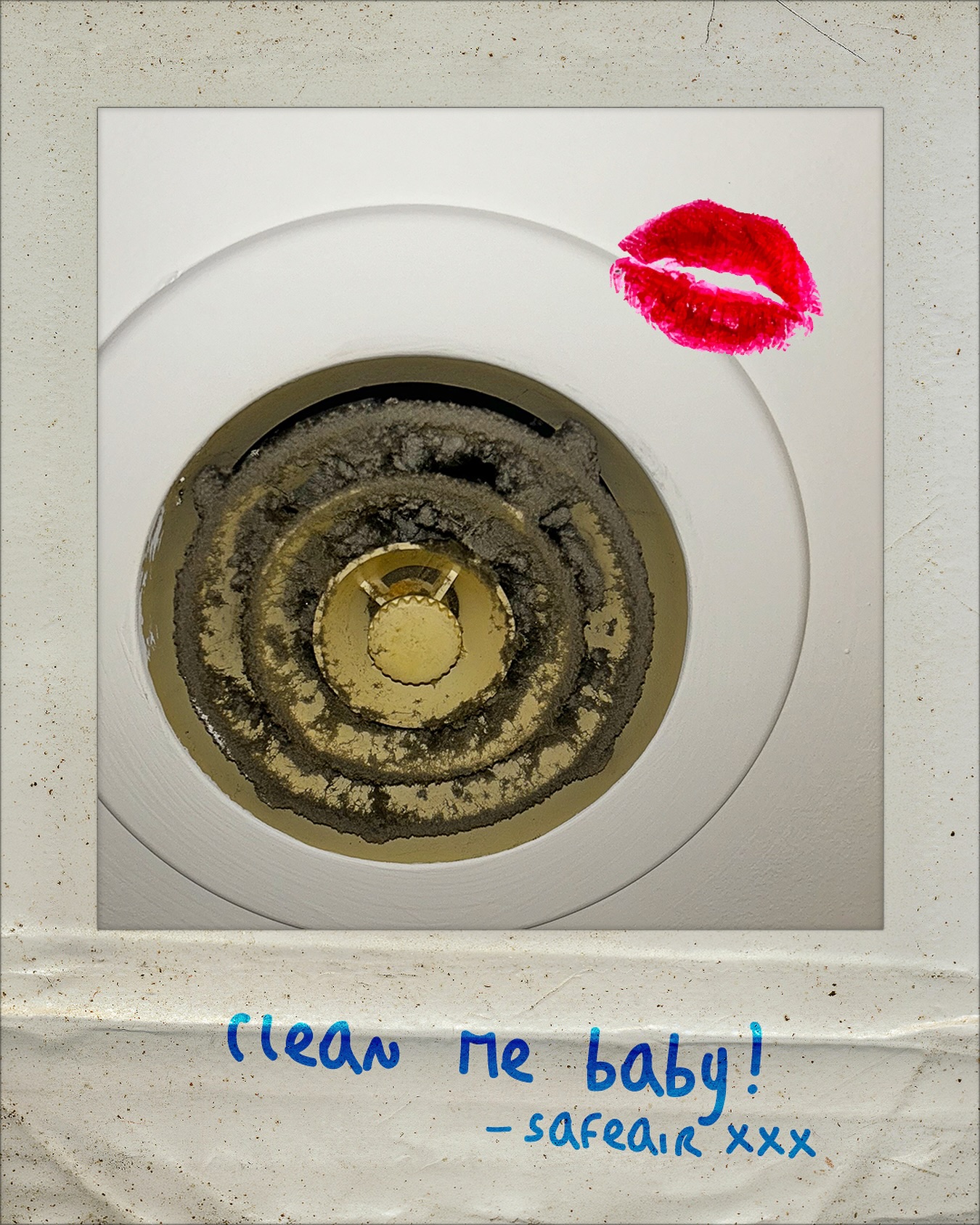
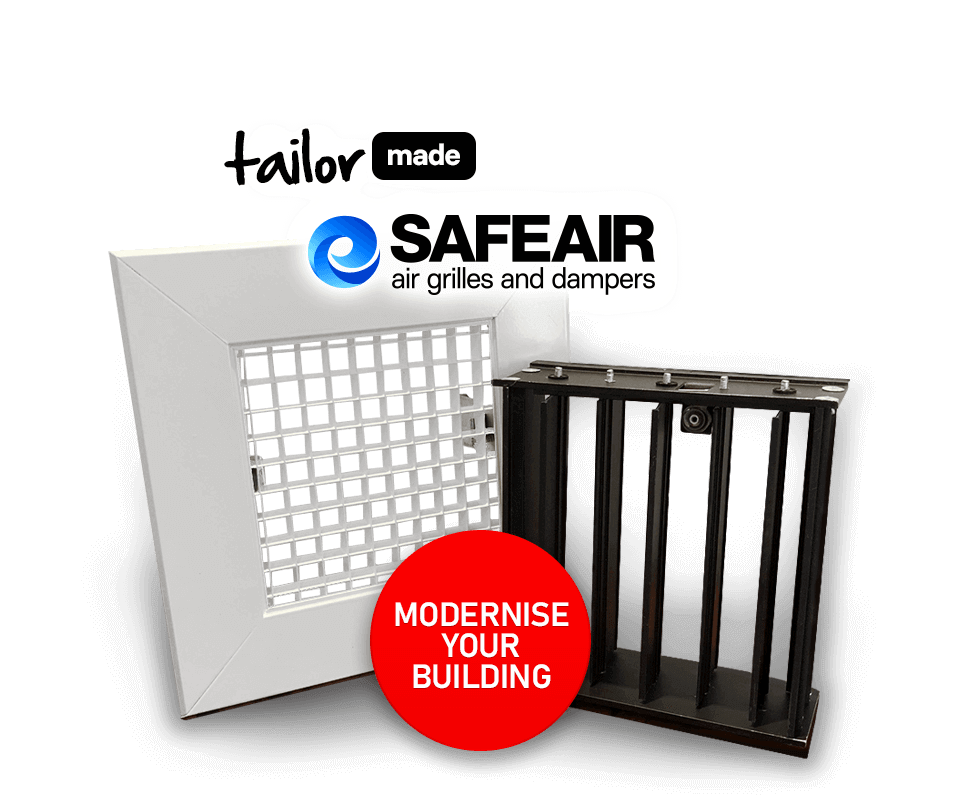
Including the deep-clean as part of your preventative maintenance program ensures all relevant guidelines are met, and allows planning for any replacement components, such as air vents, opposed blade airflow control dampers, or circular diffusers to be identified and replaced as needed in situ of the clean, or during a future reclean of the system to ensure maximum performance.
Cleaning is important, but it is not a substitute for operational exhaust fittings that can attribute to airflow issues and imbalance.
4. Plan & Budget for Future Works
A condition assessment report will identify and document any defects. The report will enable the committee to plan for future recleans and component replacements if needed to assist the committees preventative maintenance budgets.
5. Remain Adherent to Guidelines
Incorporating the clean into your preventative maintenance program allows the committee to adhere to guidelines set by BCCM, Standards Australia, BCA and the NCC.
Let SafeAir Help
Talk with a SafeAir Projects Team member today and arrange a free site survey and quotation for deep-cleaning your buildings exhaust ventilation systems.
Click here to learn more about the deep-clean process, read reviews and feedback from our valued customers or read more industry related news from the SafeAir team.






Modernise Your Apartments
Add value to your apartment building and meet Australian Standards recommended guidelines for 8-24 air-changes per hour.
Services >
Apartment, Resort & Hotel Exhaust Ventilation Duct System Cleaning
Fire, dirt and mould risks – gone. Is your apartment building or unit complex at risk? Are you meeting Australian Standards guidelines for 8-24 air-changes per hour? By deep cleaning your buildings exhaust ventilation system with SafeAir you will remove years of potentially harmful and hazardous build-up, increase airflow throughout toilet, bathroom, en suite and laundry areas, restore your roof exhaust fans as well as increase overall system efficiency.

Clean at Prescribed Intervals

Remove Potential Fire Risks

Removal Potential Health Risks

Meet Australian Ventilation Standards
Services >
Apartment, Resort & Hotel Exhaust Ventilation Duct System Cleaning
Fire, dirt and mould risks – gone. Is your apartment building or unit complex at risk? Are you meeting Australian Standards guidelines for 8-24 air-changes per hour? By deep cleaning your buildings exhaust ventilation system with SafeAir you will remove years of potentially harmful and hazardous build-up, increase airflow throughout toilet, bathroom, en suite and laundry areas, restore your roof exhaust fans as well as increase overall system efficiency.
Clean at Prescribed Intervals
Remove Potential Fire Risks
Removal Potential Health Risks
Meet Australian Ventilation Standards
Subscribe For News & Updates
Get the latest on Duct Cleaning, Special Promotions and SafeAir